Sound Safari
Speech Sound Word Lists
L-Blend Words for Speech Therapy
Over 54 l-blend words from the Sound Safari practice library. Each word starts with the blend and comes with a picture and a kid-friendly pronunciation guide — the same lists the app turns into practice games.
What are l-blends?
An l-blend is two consonant sounds said back-to-back at the start of a word — a stop or fricative plus /l/, as in blue (b + l), clock (c + l), or flag (f + l). Because two sounds have to fire in quick sequence, blends take more speech-motor coordination than either sound alone.
Two patterns show up most: cluster reduction — dropping one sound, so black becomes “back” — and gliding inside the blend, where /l/ turns into a /w/-like sound and black comes out “bwack.” Both are common in developing speech; therapy targets them when they persist or affect how well a child is understood.
Looking for developmental ages? Cluster acquisition ages vary by study and aren't part of the McLeod & Crowe (2018) dataset our single-sound guides cite, so this page doesn't list mastery ages. The /l/ guide below has sourced norms for the component sound — and your child's SLP can place blends in context.
L-Blend word lists over 54 words
All words start with the blend — the blend letters are bolded.
BL words (11)


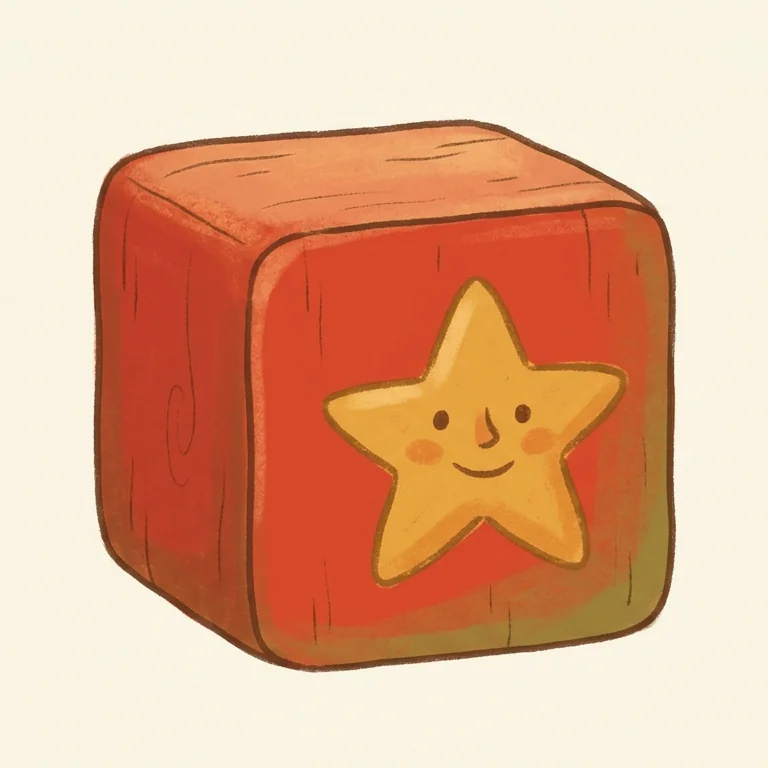
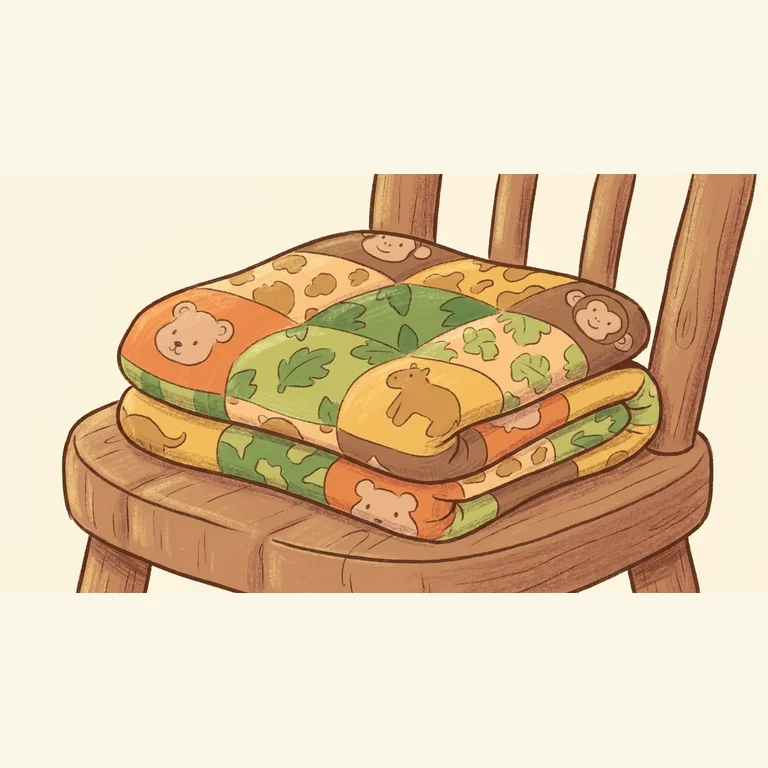
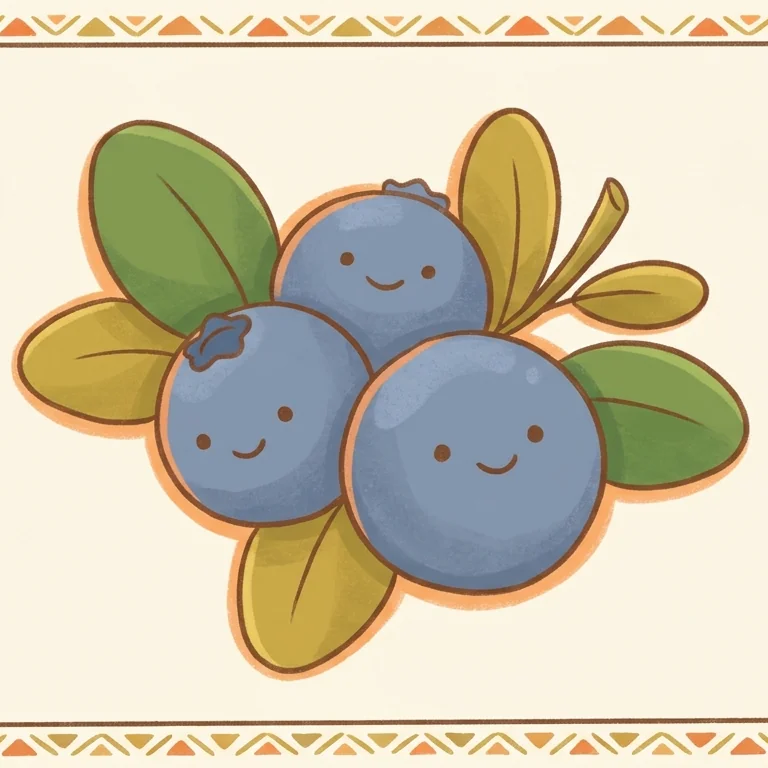

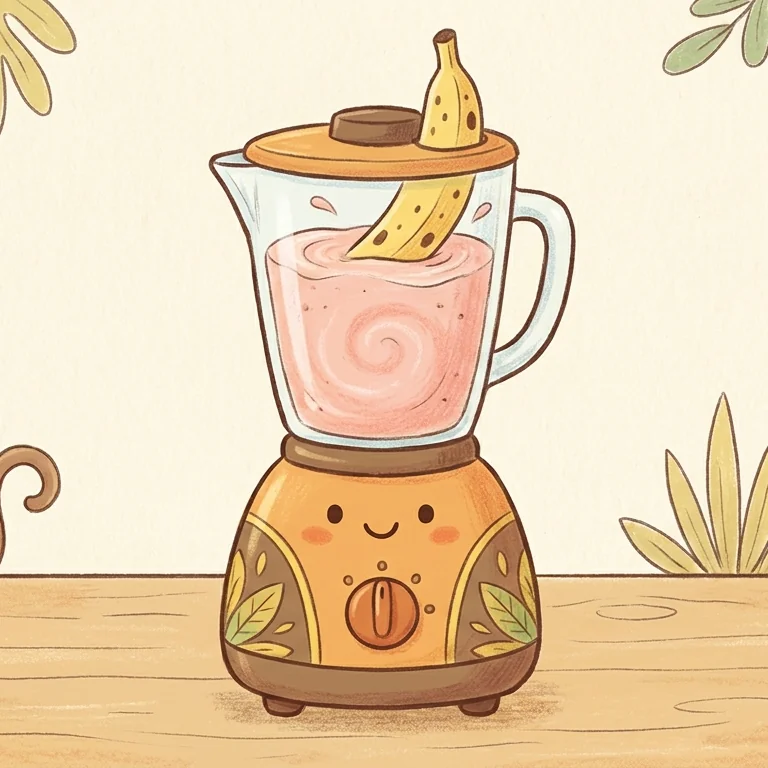



CL words (10)





FL words (11)




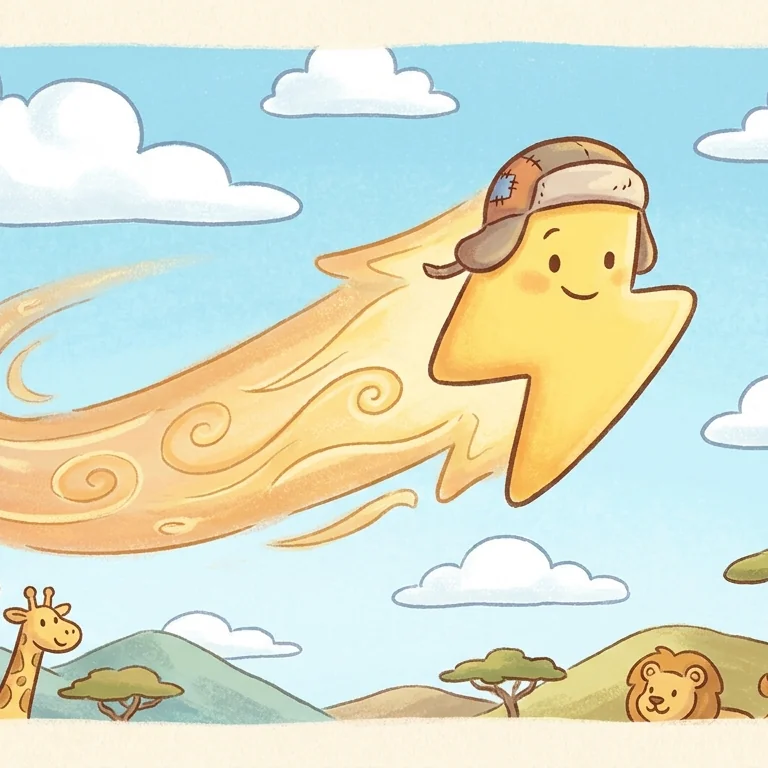
GL words (11)



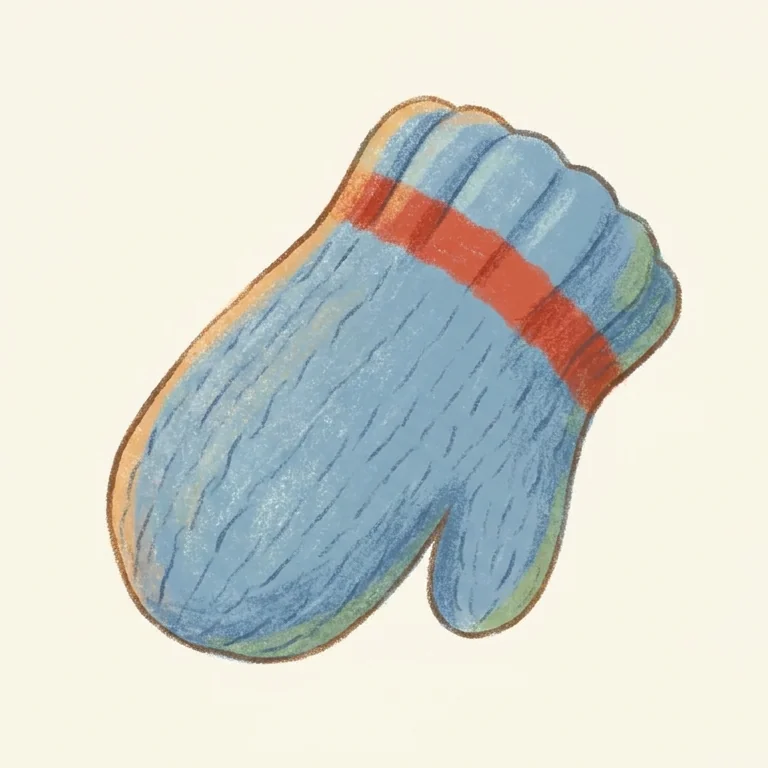

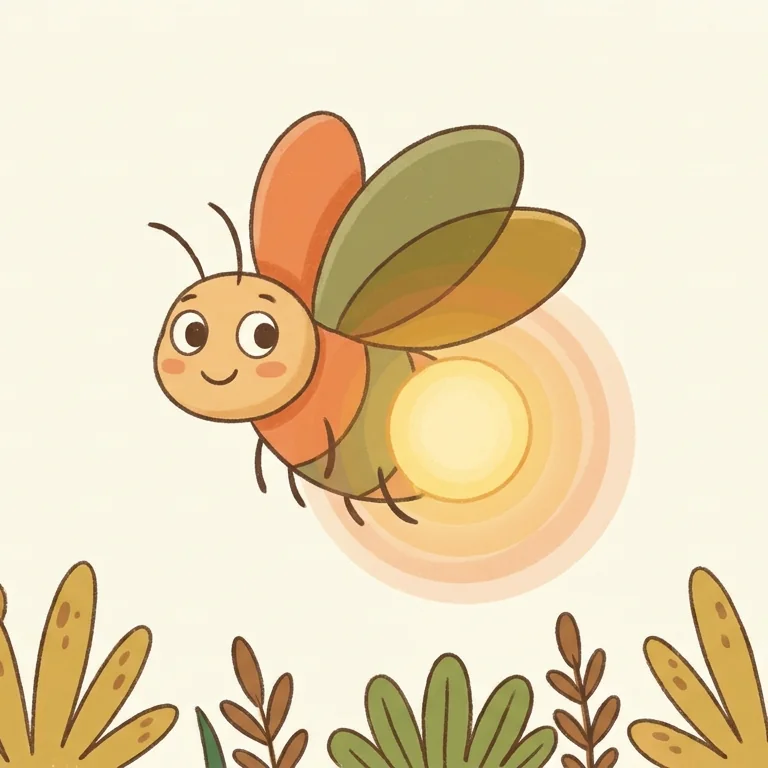
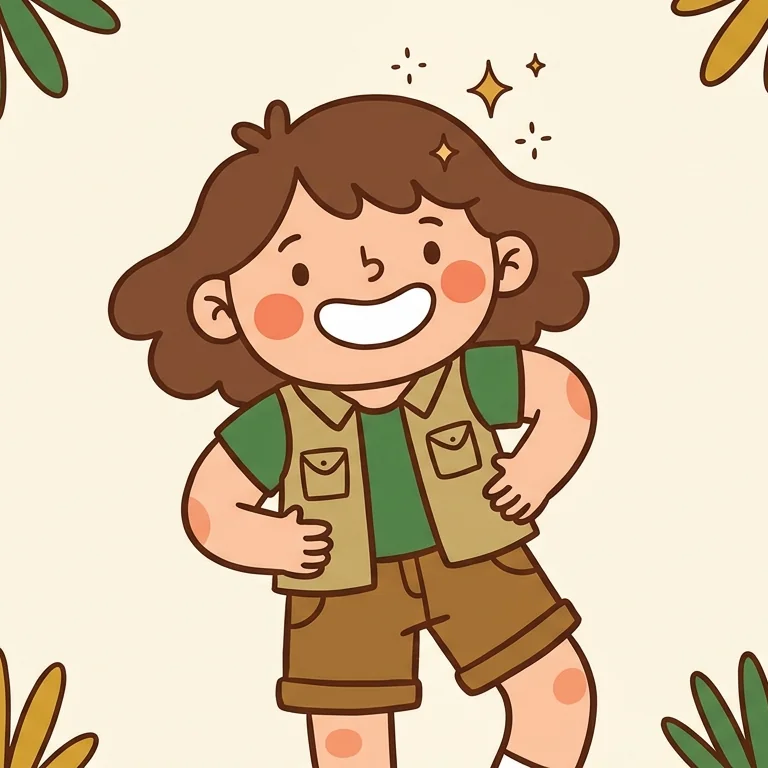



PL words (11)









How to practice l-blends
General strategies SLPs commonly use for two-sound blends. Your child's SLP will tailor the order and targets.
Stretch and connect
Hold the first sound briefly, then glue the rest on: “b…lue → b-lue → blue.” Slowing the start makes both sounds audible before blending at normal speed.
Tap it out
Tap the table once for each sound at the start of the word — two taps for “bl” in blue. Feeling two beats helps kids notice the sound they’ve been dropping.
Minimal pairs
Contrast the reduced word with the real one — back/black, cap/clap, fat/flat. Hearing both versions side by side trains the ear to catch the missing /l/.
Short, frequent reps
A few minutes a day beats one long weekly block. Pick five words from one list, get solid reps, then rotate to the next blend.
Practice every blend in the app
Sound Safari turns these word lists into games — and logs every trial for progress tracking.
L-Blends — frequently asked questions
Why does my child say “back” instead of “black”? +
That pattern is called cluster reduction — simplifying a two-consonant blend down to one sound. It is one of the most common patterns in developing speech. If it persists across many words or makes your child hard to understand, a speech-language pathologist can assess whether it is still age-appropriate.
My child says “bwack” — is that the same thing? +
That’s a different pattern: gliding, where the /l/ inside the blend is replaced with a /w/-like sound. It’s also common in developing speech. The /l/ sound guide covers gliding of /l/ in detail, with sourced ages for the component sound.
Should we practice /l/ by itself before l-blends? +
It depends on the child. Some SLPs establish the single /l/ first and then build blends; others deliberately start with harder cluster targets to drive broader change in the sound system. Follow the order your child’s SLP recommends — these lists support either approach.
How are these word lists organized? +
Every word starts with the blend (initial position), which is where l-blends are practiced most. Each entry shows a picture and a kid-friendly pronunciation guide. In the Sound Safari app the same lists power flashcards and games from word level up through phrases and sentences.
Related guides
The component sounds (with sourced developmental norms) and the other blend families.