Sound Safari Sound Safari

Speech Sound Guide

The Z Sound: Norms, Challenges & Word Lists

The /z/ sound is one of the later sounds children master — typically by age 6. This guide covers when /z/ develops, what typically goes wrong, simple ways to practice it, and over 85 /z/ words organized by position.

When should a child say /z/?

Developmental norms — when the /z/ sound typically emerges and is mastered.

Late-developing
6
Age of 90% mastery
years;months notation
50% mastery
Age 5
90% mastery
Age 6
Manner
fricative Fricatives are made by forcing air through a narrow gap — they hiss or buzz (like /s/, /f/, /sh/).
Voicing
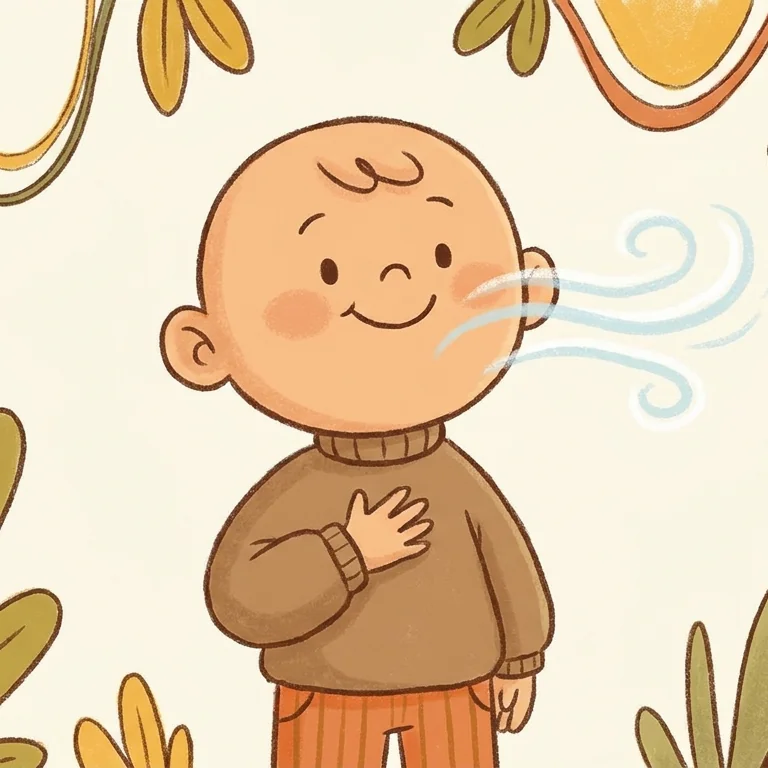
Voiced Voiced sounds vibrate the vocal cords. Put your hand on your throat — voiced sounds buzz.
Where /z/ falls on the speech-sound timeline
2 yrs4 yrs6 yrs8 yrs

Source: McLeod & Crowe (2018), AJSLP.

A child still substituting or distorting /z/ after age 6 is a good candidate for a speech-language evaluation — earlier if they're hard to understand or frustrated.

Find out where /z/ stands — in 5 minutes

Sound Safari's 23-sound screener checks against the McLeod & Crowe norms above.

Try the screener

Common challenges with /z/

What typically goes wrong — and whether it's age-appropriate.

Stopping

/z/ → /d/

Typically resolves on its own by around age 4; worth a check-in if it persists.

What helps →

Stretch /z/ as a long buzzy "zzzz" — /z/ is a fricative (held), /d/ is a stop (quick tap). Show the smile-and-teeth position used for /s/, then turn on the voice.

Try these /z/ words ↓

Devoicing

/z/ → /s/

Typically resolves on its own by around age 4; worth a check-in if it persists.

What helps →

Touch the throat — /z/ buzzes, /s/ is silent. Have the child feel the vocal cord vibration on each /z/.

Try these /z/ words ↓

How to practice the /z/ sound

Practical starting points for parents and SLPs. Always follow your SLP's plan if your child is in therapy.

  1. 1 Same position as /s/ — turn on the voice. /z/ uses the exact same mouth position as /s/ (smile, teeth lightly together, tongue tip down) — just with the voice turned on, producing a buzz.
  2. 2 Feel the throat buzz. /z/ uses voice — touch the throat and feel it vibrate. Compare with /s/ (silent) to feel the voicing difference.
  3. 3 Stretch it long. /z/ is a fricative — it can be held. Practice "zzzz" while the smile-and-teeth position stays still. Breaks the stopping-to-/d/ habit.
  4. 4 Practice with vowels. Attach /z/ to vowels: "z-ah", "z-ee", "z-oh", then "zoo", "zebra", "zipper".
  5. 5 Minimal pairs. Use pairs like zoo/sue, zip/sip, zoom/soup to train voicing (z vs s) and the smooth fricative airflow (z vs d).

/z/ word lists by position over 85 words

Every word from the Sound Safari practice library. The /z/ in each word is bolded.

Initial — /z/ at the start of the word (30)

zebra
zebra
zee-bruh
zipper
zipper
zip-er
zoo
zoo
zoo
zero
zero
zee-roh
zap
zap
zap
zebra
zebra
zee-bruh
zen
zen
zen
zest
zest
zest
zigzag
zigzag
zig-zag
zebras
zebras
zee-bruhz
zing
zing
zing
zip
zip
zip
zipping
zipping
zip-ing
zipper
zipper
zip-er
zone
zone
zohn
zoom
zoom
zoom
zucchini
zucchini
zoo-kee-nee
zany
zany
zay-nee
zipping
zipping
zip-ing
zooming
zooming
zoom-ing
zeppelin
zeppelin
zep-uh-lin
zesty
zesty
zes-tee
zeros
zeros
zee-rohz
zoos
zoos
zooz
zippy
zippy
zip-ee
zaps
zaps
zaps
zodiac
zodiac
zoh-dee-ak
zoning
zoning
zoh-ning
zooming
zooming
zoo-ming
zorro
zorro
zor-oh

Medial — /z/ in the middle of the word (29)

pizza
pizza
peet-suh
lizard
lizard
liz-erd
puzzle
puzzle
puz-ul
amazing
amazing
uh-may-zing
blazer
blazer
blay-zer
blizzard
blizzard
bliz-erd
buzzer
buzzer
buz-er
buzzing
buzzing
buz-ing
citizen
citizen
sit-uh-zen
crazy
crazy
kray-zee
daisy
daisy
day-zee
dizzy
dizzy
diz-ee
drizzle
drizzle
driz-ul
freezer
freezer
free-zer
freezing
freezing
free-zing
fuzzy
fuzzy
fuz-ee
gizmo
gizmo
giz-moh
hazel
hazel
hay-zul
horizon
horizon
huh-ry-zun
jazzy
jazzy
jaz-ee
lazy
lazy
lay-zee
nozzle
nozzle
noz-ul
razor
razor
ray-zer
scissors
scissors
siz-erz
sneezing
sneezing
snee-zing
wizard
wizard
wiz-erd
wheezing
wheezing
whee-zing
woozy
woozy
woo-zee
zoning
zoning
zoh-ning

Final — /z/ at the end of the word (30)

cheese
cheese
cheez
nose
nose
nohz
bees
bees
beez
rose
rose
rohz
blaze
blaze
blayz
breeze
breeze
breez
browse
browse
browz
buzz
buzz
buz
close
close
klohz
daze
daze
dayz
doze
doze
dohz
eyes
eyes
eyz
freeze
freeze
freez
frizz
frizz
friz
fuzz
fuzz
fuz
gaze
gaze
gayz
glaze
glaze
glayz
graze
graze
grayz
haze
haze
hayz
hose
hose
hohz
jazz
jazz
jaz
keys
keys
keez
maze
maze
mayz
pause
pause
pawz
paws
paws
pawz
peas
peas
peez
please
please
pleez
prize
prize
pryz
quiz
quiz
kwiz
sneeze
sneeze
sneez

/z/ sound — frequently asked questions

At what age should my child say the /z/ sound? +

Most children produce /z/ correctly by age 6. About half can do it by age 5. /z/ develops alongside /s/.

Is it normal for my child to say "s" or "d" for "z"? +

Both patterns (devoicing to /s/, stopping to /d/) are developmentally typical up to about age 5. If they persist past age 6, an SLP check-in is worthwhile.

Why is the /z/ sound hard? +

/z/ requires the same precise tongue position as /s/ PLUS sustained voicing. Children who can do /s/ may still drop the voice (saying /s/) until they learn to maintain it.

How can I help my child practice /z/ at home? +

Start with their /s/ position, then turn on the voice — touch the throat to confirm the buzz. Use minimal pairs (zoo/sue) to train voicing.

When should we see a speech therapist about /z/? +

If /z/ is being replaced with /s/, /d/, or has a lateral hiss past age 6, see an SLP.

Can older children and adults still correct /z/? +

Yes — /z/ is highly treatable at any age. If /s/ is in place, adding voicing is usually straightforward.

Related sounds

Sounds that pair, contrast, or are commonly confused with /z/.

Try Sound Safari free for 14 days