Sound Safari Sound Safari

Speech Sound Guide

The B Sound: Norms, Challenges & Word Lists

The /b/ sound typically develops by age 3. This guide covers when /b/ develops, what typically goes wrong, simple ways to practice it, and over 90 /b/ words organized by position.

When should a child say /b/?

Developmental norms — when the /b/ sound typically emerges and is mastered.

3
Age of 90% mastery
years;months notation
50% mastery
Age 2
90% mastery
Age 3
Manner
stop Stop sounds briefly block the airflow, then release (like /p/, /t/, /k/).
Voicing
Voiced Voiced sounds vibrate the vocal cords. Put your hand on your throat — voiced sounds buzz.
Where /b/ falls on the speech-sound timeline
2 yrs4 yrs6 yrs8 yrs

Source: McLeod & Crowe (2018), AJSLP.

A child still substituting or distorting /b/ after age 3 is a good candidate for a speech-language evaluation — earlier if they're hard to understand or frustrated.

Find out where /b/ stands — in 5 minutes

Sound Safari's 23-sound screener checks against the McLeod & Crowe norms above.

Try the screener

Common challenges with /b/

What typically goes wrong — and whether it's age-appropriate.

Devoicing

/b/ → /p/

Typically resolves on its own by around age 4; worth a check-in if it persists.

What helps →

Touch the throat — /b/ buzzes, /p/ is silent. Have the child feel the vocal cord vibration on each /b/.

Try these /b/ words ↓

How to practice the /b/ sound

Practical starting points for parents and SLPs. Always follow your SLP's plan if your child is in therapy.

  1. 1 Lips together, voice on, then pop. /b/ closes the lips, starts the voice, then releases. The voice should start BEFORE the lips open — that's what makes it different from /p/.
  2. 2 Feel the throat buzz. /b/ uses the voice — touch the throat and feel it vibrate during the sound. Compare with /p/ (no buzz) to hear and feel the difference.
  3. 3 Practice with vowels. Once the voiced lip pop is steady, attach short vowels: "b-ah", "b-ee", "b-oh", then full words like "ball", "bat", "bee".
  4. 4 Slower than /p/. /b/ has slightly more voice and a softer release than /p/. Practice slowly so the voice has time to start before the lips open.
  5. 5 Use minimal pairs. Use pairs like pat/bat, pie/bye, pig/big so the child hears the voicing contrast and learns to control it.

/b/ word lists by position over 90 words

Every word from the Sound Safari practice library. The /b/ in each word is bolded.
Initial — /b/ at the start of the word (30)

ball
ball
ball
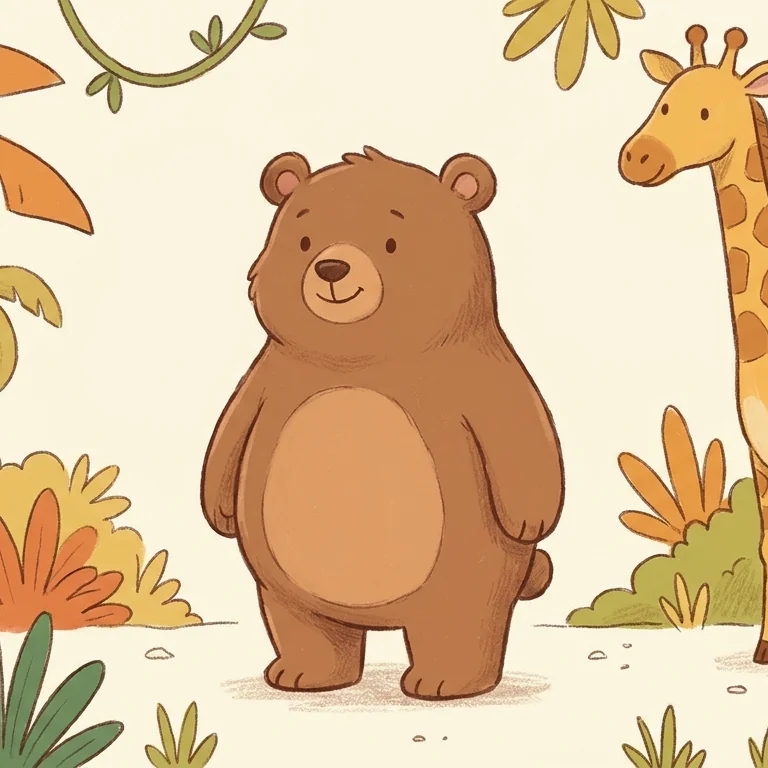
bear
bear
bair
bee
bee
bee
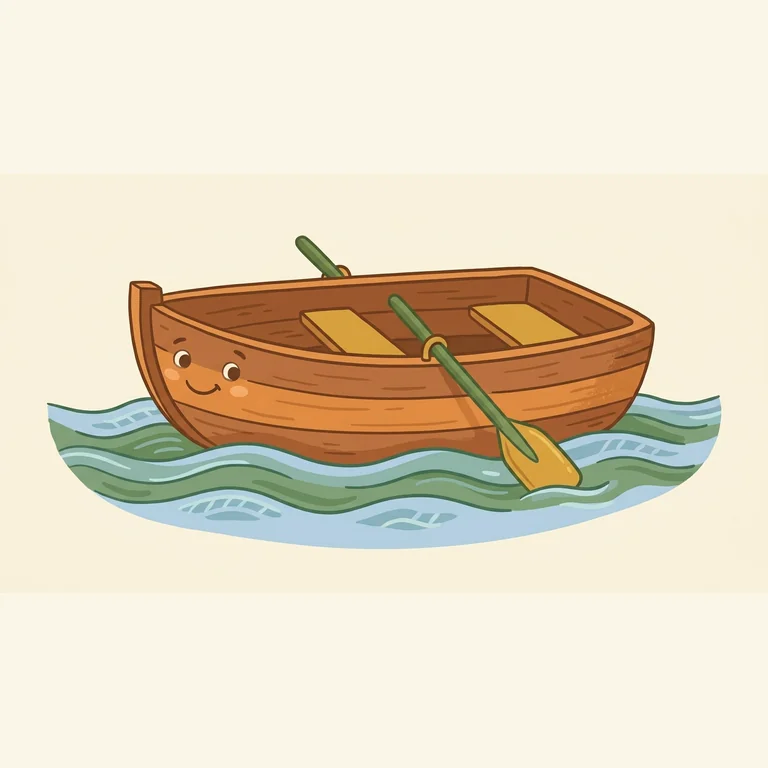
boat
boat
boht
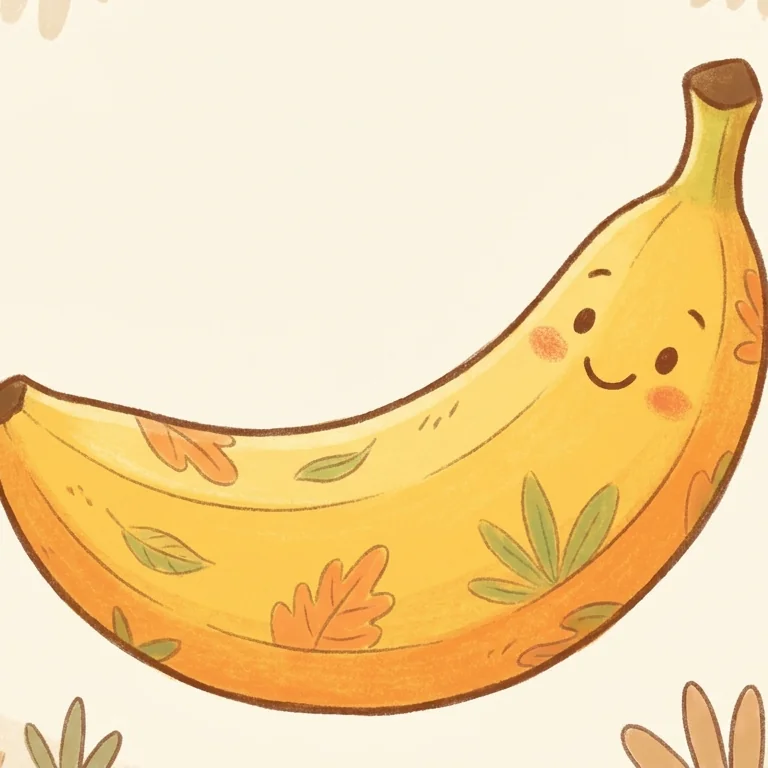
banana
banana
buh-nan-uh
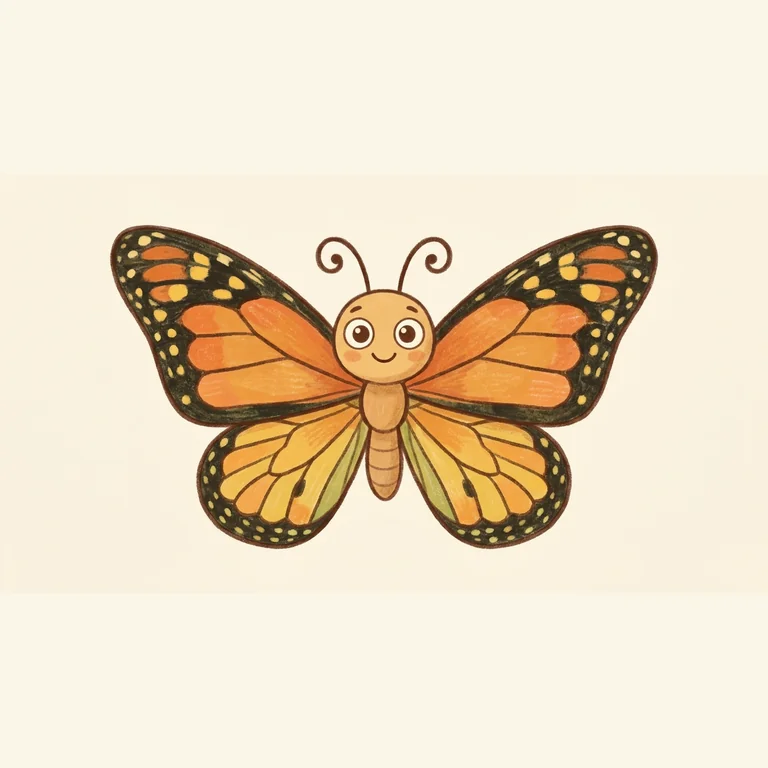
butterfly
butterfly
but-er-fly
bird
bird
bird
book
book
book
baby
baby
bay-bee
bag
bag
bag
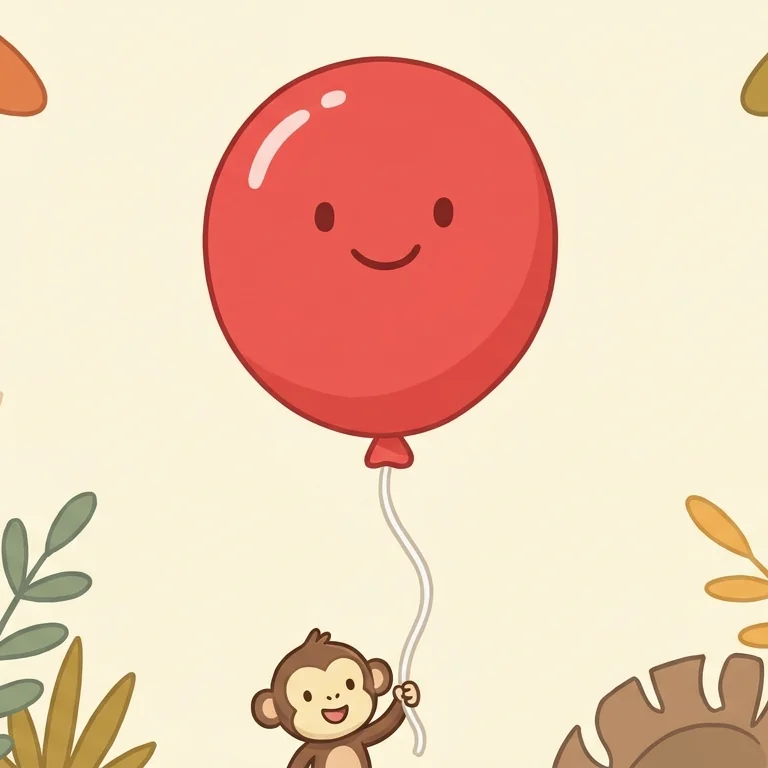
balloon
balloon
buh-loon
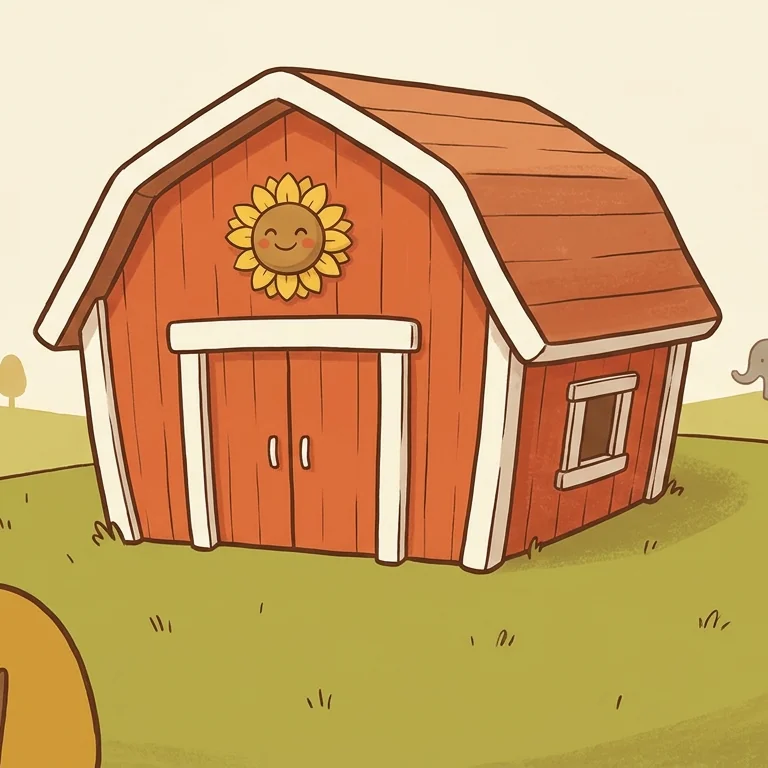
barn
barn
barn
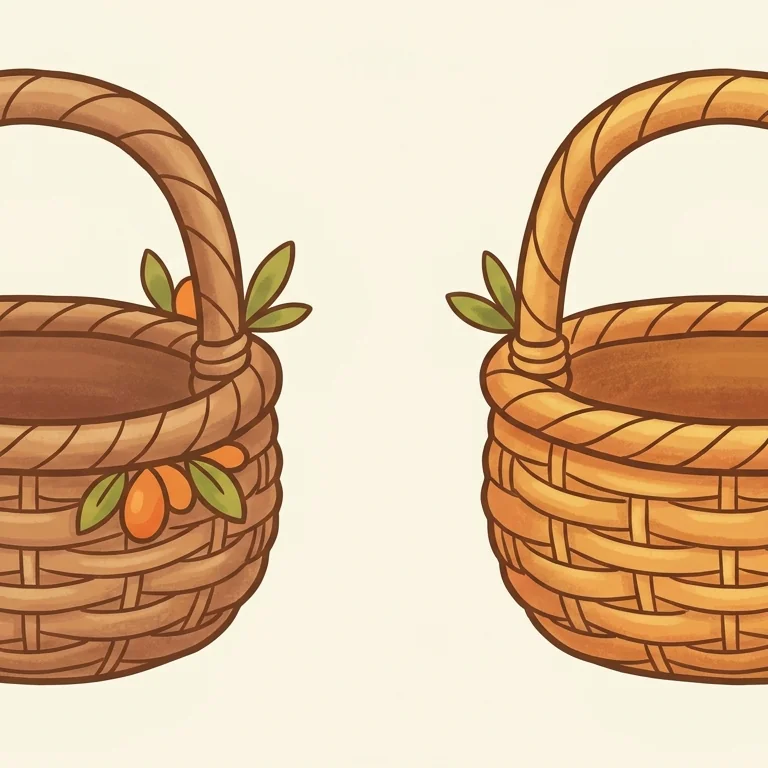
basket
basket
bas-ket
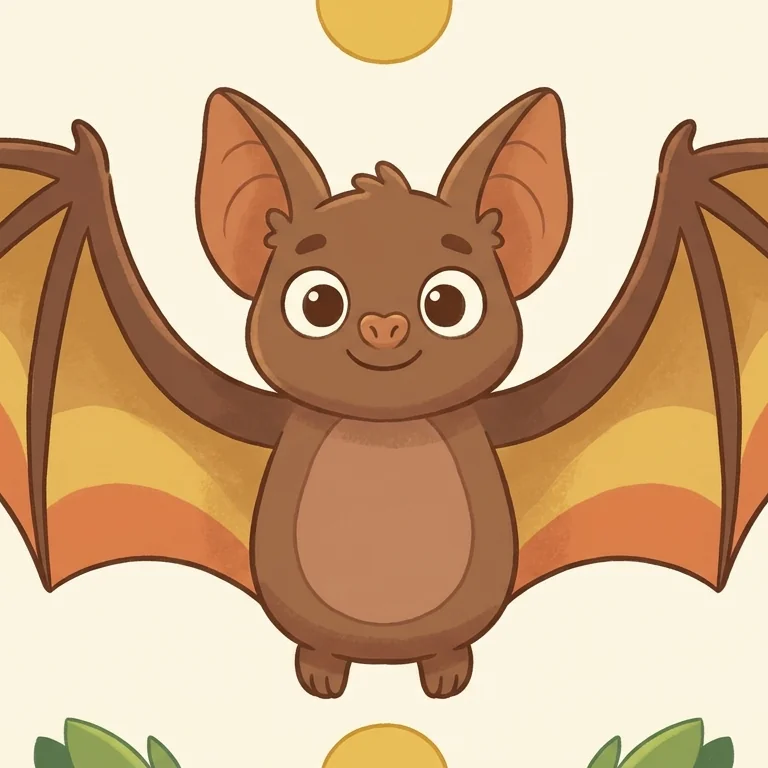
bat
bat
bat
bath
bath
bath
beach
beach
beech
bed
bed
bed
bell
bell
bel
belt
belt
belt
bike
bike
byk
bone
bone
bohn
bowl
bowl
bohl
box
box
boks
boy
boy
boy
bread
bread
bred
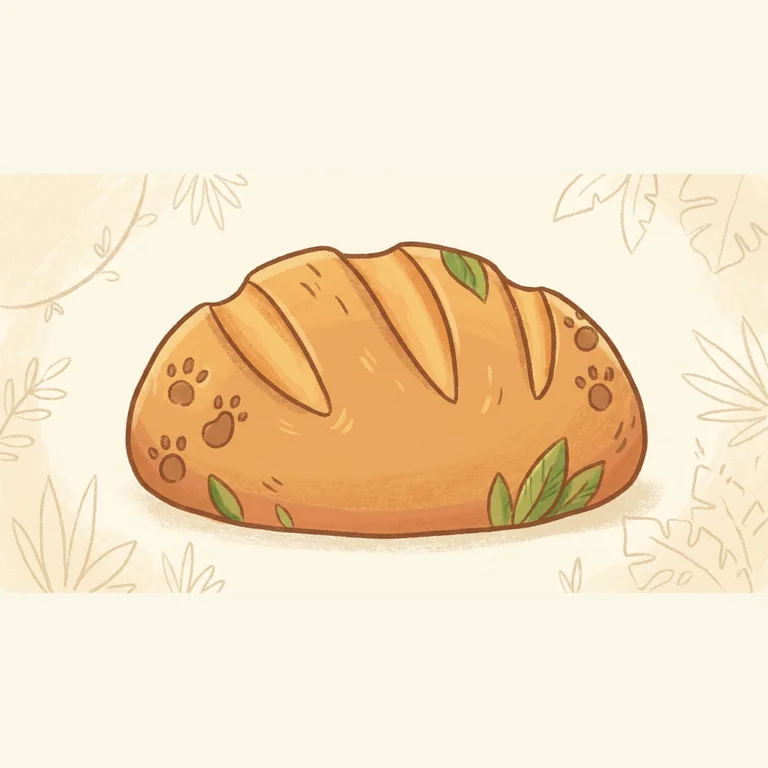
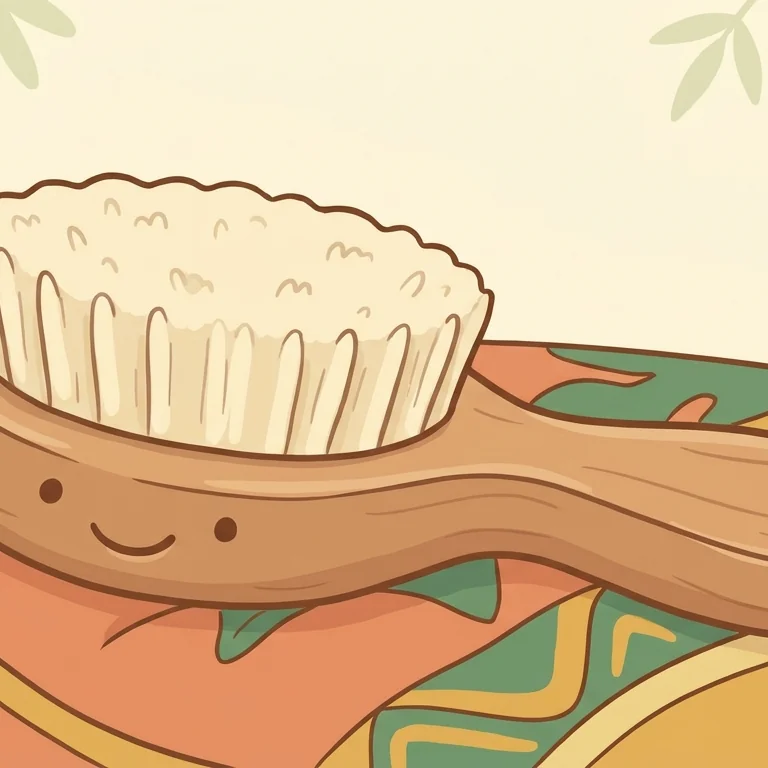
brush
brush
brush
bubble
bubble
bub-ul
bug
bug
bug
bunny
bunny
bun-ee
bus
bus
bus

Medial — /b/ in the middle of the word (30)

rabbit
rabbit
rab-it
robot
robot
roh-bot
table
table
tay-bul
rainbow
rainbow
rayn-boh
baby
baby
bay-bee
blueberry
blueberry
bloo-ber-ee
cabin
cabin
kab-in
cobweb
cobweb
kob-web
cowboy
cowboy
kow-boy
cubby
cubby
kub-ee
doorbell
doorbell
dor-bel
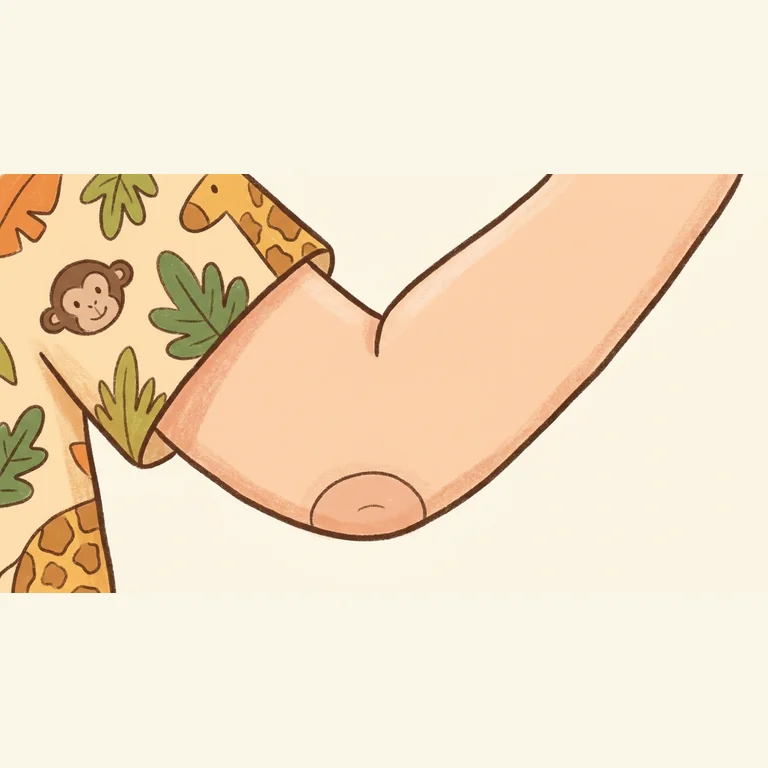
elbow
elbow
el-boh
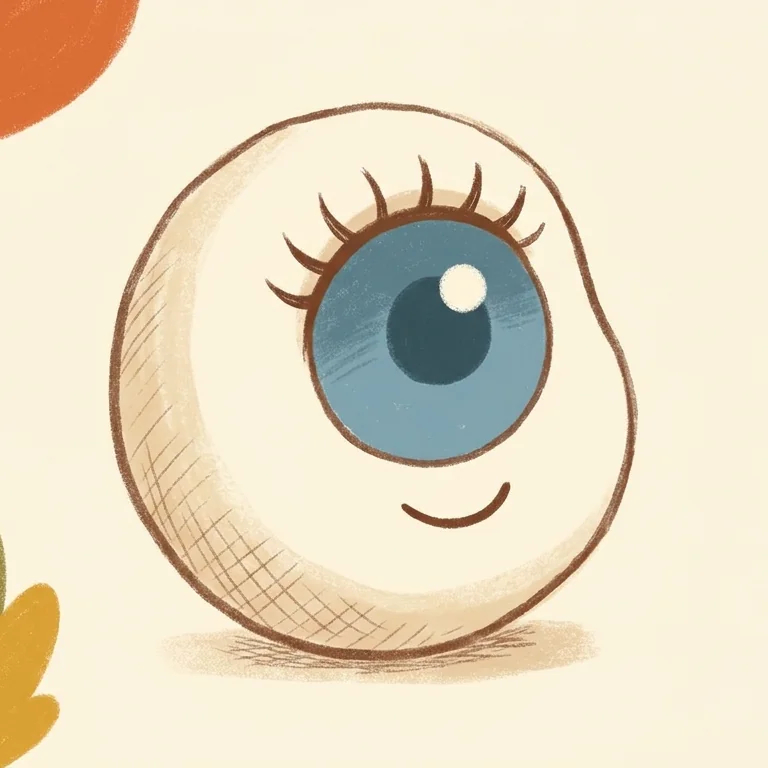
eyeball
eyeball
eye-ball
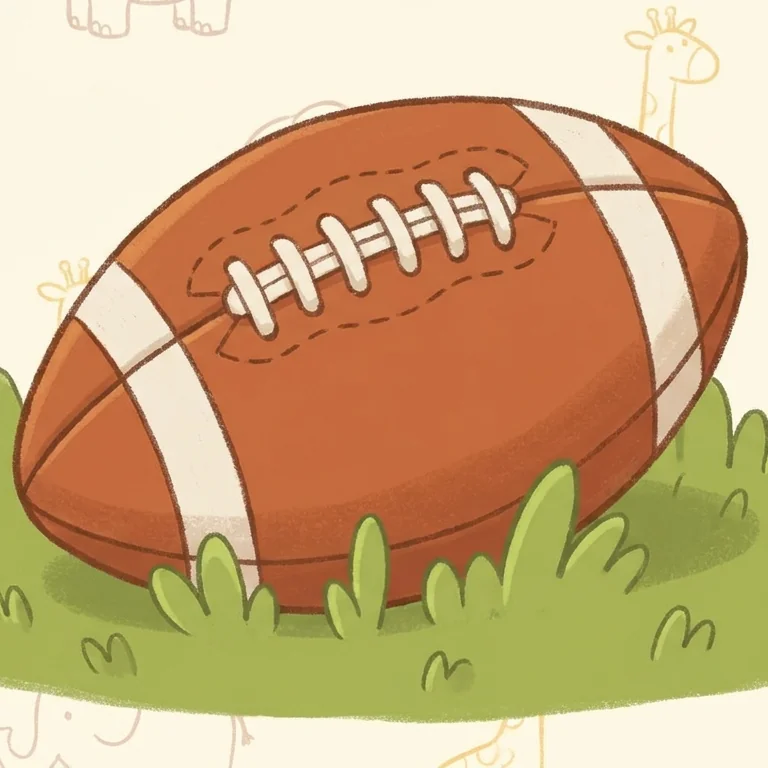
football
football
foot-ball
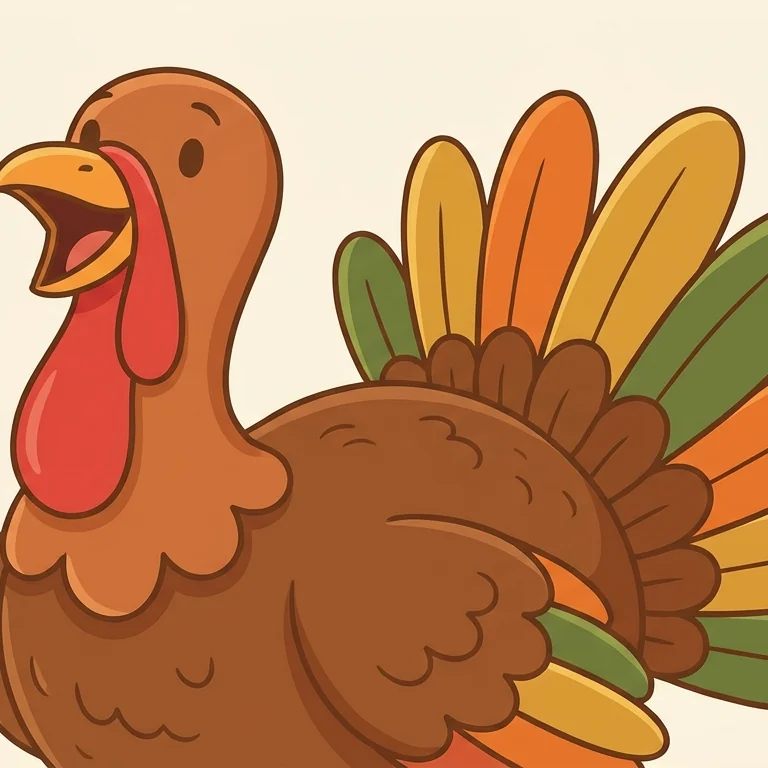
gobble
gobble
gob-ul
harbor
harbor
har-ber
iceberg
iceberg
ys-berg
jukebox
jukebox
jook-boks
maybe
maybe
may-bee
neighbor
neighbor
nay-ber
number
number
num-ber
pebble
pebble
peb-ul
ribbon
ribbon
rib-un
rubber
rubber
rub-er
snowball
snowball
snoh-ball
strawberry
strawberry
straw-ber-ee
sunburn
sunburn
sun-burn
tubby
tubby
tub-ee
umbrella
umbrella
um-brel-uh
wobble
wobble
wob-ul

Final — /b/ at the end of the word (30)

crab
crab
krab
tub
tub
tub
web
web
web
cub
cub
kub
cab
cab
kab
bathrobe
bathrobe
bath-rohb
bib
bib
bib
blob
blob
blob
club
club
klub
cob
cob
kob
doorknob
doorknob
dor-nob
glob
glob
glob
grab
grab
grab
hub
hub
hub
job
job
job
knob
knob
nob
lab
lab
lab
nub
nub
nub
rib
rib
rib
rob
rob
rob
rub
rub
rub
scrub
scrub
skrub
shrub
shrub
shrub
slab
slab
slab
sob
sob
sob
stab
stab
stab
sub
sub
sub
swab
swab
swab
tab
tab
tab
wardrobe
wardrobe
ward-rohb

/b/ sound — frequently asked questions

At what age should my child say the /b/ sound? +

Most children produce /b/ correctly by age 3. About half can do it by age 2. /b/ is one of the earliest English sounds.
Is it normal for my child to say "p" for "b"? +

Devoicing (saying "p" for "b") is developmentally typical up to about age 3. If it persists, an SLP check-in is worthwhile.

Why is the /b/ sound usually easy? +

/b/ uses visible lip closure, like /p/. The only added challenge is starting the voice — most children pick it up quickly.

How can I help my child practice /b/ at home? +

Have them touch their throat to feel the buzz, demonstrate the voiced lip pop in a mirror, and use minimal pairs (pat/bat) to train the ear.

When should we see a speech therapist about /b/? +

If /b/ is still being replaced with /p/ or omitted after age 3, it's worth seeing an SLP.

Can older children and adults still correct /b/? +

Yes — /b/ is highly treatable at any age. The voicing difference is easy to demonstrate and feel.

Try Sound Safari free for 14 days