Sound Safari
Speech Sound Guide
The M Sound: Norms, Challenges & Word Lists
The /m/ sound typically develops by age 3. This guide covers when /m/ develops, what typically goes wrong, simple ways to practice it, and over 85 /m/ words organized by position.
When should a child say /m/?
Developmental norms — when the /m/ sound typically emerges and is mastered.
Source: McLeod & Crowe (2018); Crowe & McLeod (2020), AJSLP.
A child still substituting or distorting /m/ after age 3 is a good candidate for a speech-language evaluation — earlier if they're hard to understand or frustrated.
Find out where /m/ stands — in 5 minutes
Sound Safari's 24-sound screener checks against the McLeod & Crowe norms above.
Common challenges with /m/
What typically goes wrong — and whether it's age-appropriate.
The /m/ sound is rarely a source of articulation errors on its own.
How to practice the /m/ sound
Practical starting points for parents and SLPs. Always follow your SLP's plan if your child is in therapy.
- 1 Lips together, hum it out. /m/ closes the lips and lets the voice come out through the nose, like a hum. Have the child feel the buzz on their nose and lips.
- 2 Feel the nose buzz. Place a finger gently on the bridge of the nose — /m/ should make it vibrate. That's the air coming out the nose.
- 3 Hold it long. /m/ can be held continuously — practice "mmmmm" while smiling, then attach vowels: "ma, me, mo, moo".
- 4 End-of-word /m/. Final /m/ ("home", "drum", "gum") closes back to lips together at the end. Hold the lip closure for a beat to land it.
- 5 Contrast with /b/. /m/ comes through the nose; /b/ pops out the mouth. Have the child pinch their nose softly — /m/ disappears, /b/ stays.
/m/ word lists by position over 85 words
Every word from the Sound Safari practice library. The /m/ in each word is bolded.
Initial — /m/ at the start of the word (29)
-
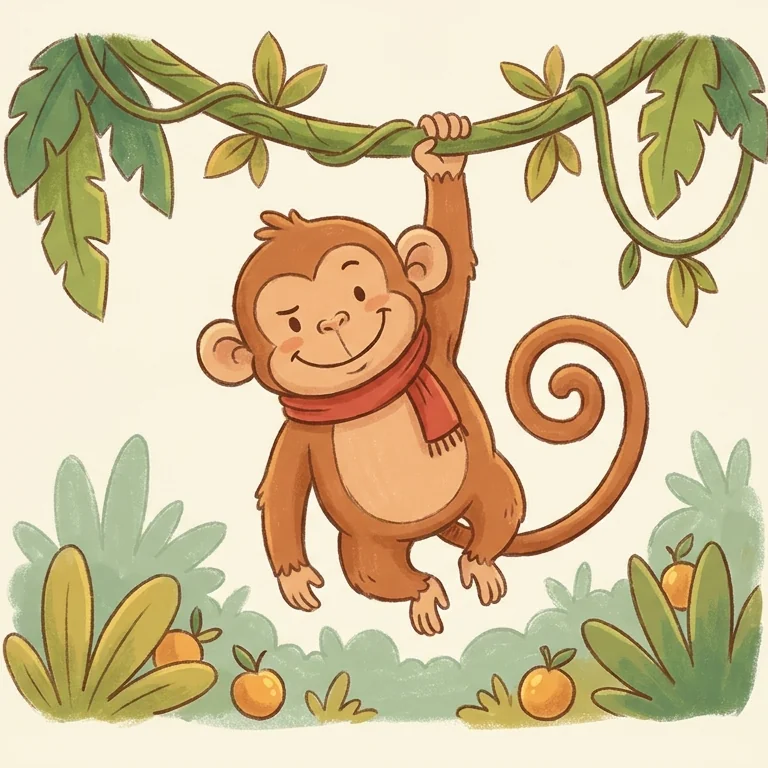
monkey mun-kee -
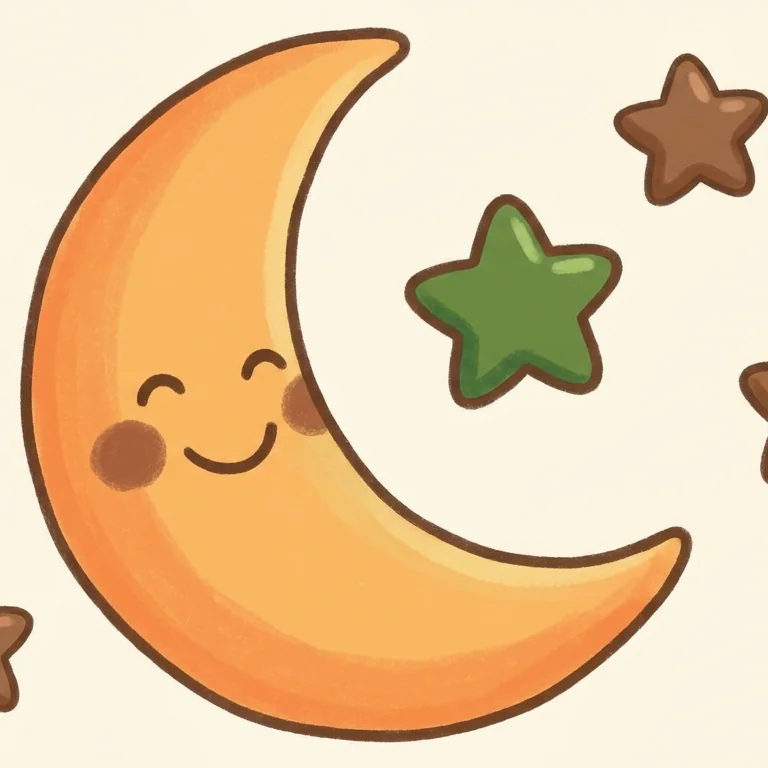
moon moon -

milk milk -

muffin muf-in -

mountain mown-tun -

mushroom mush-room -

mad mad -
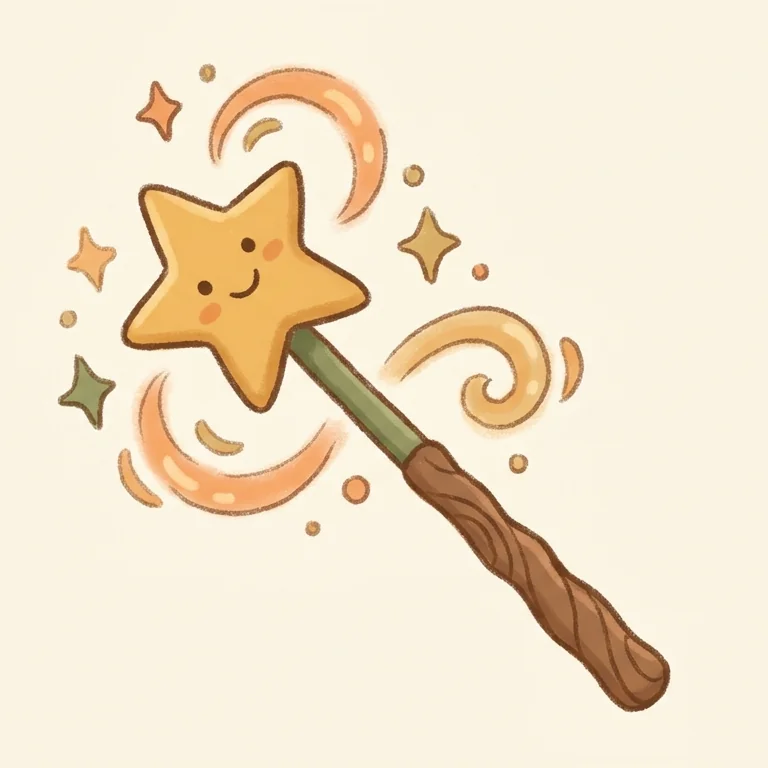
magic maj-ik -

mail mayl -

man man -

map map -

marble mar-bul -
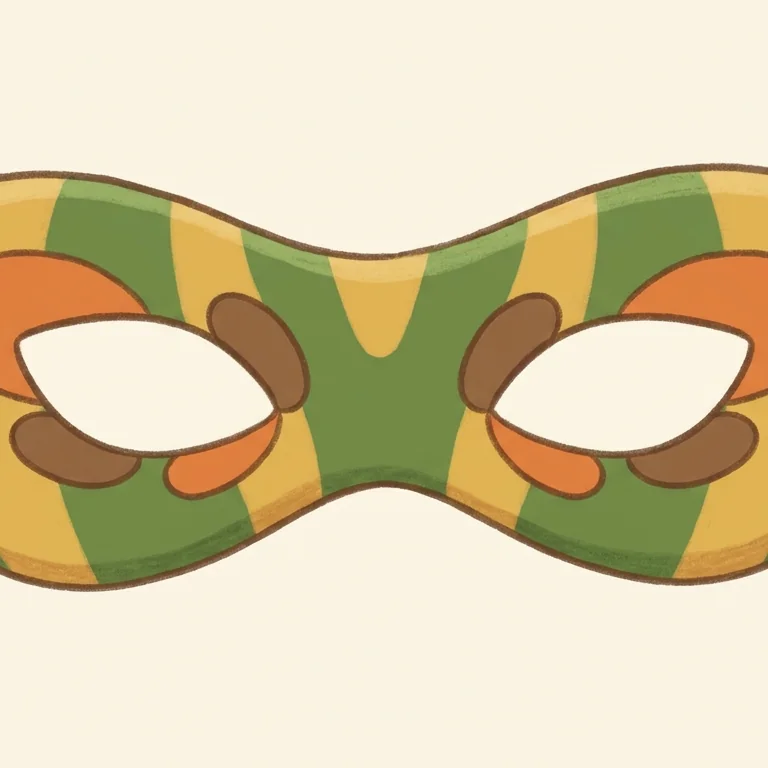
mask mask -

mat mat -
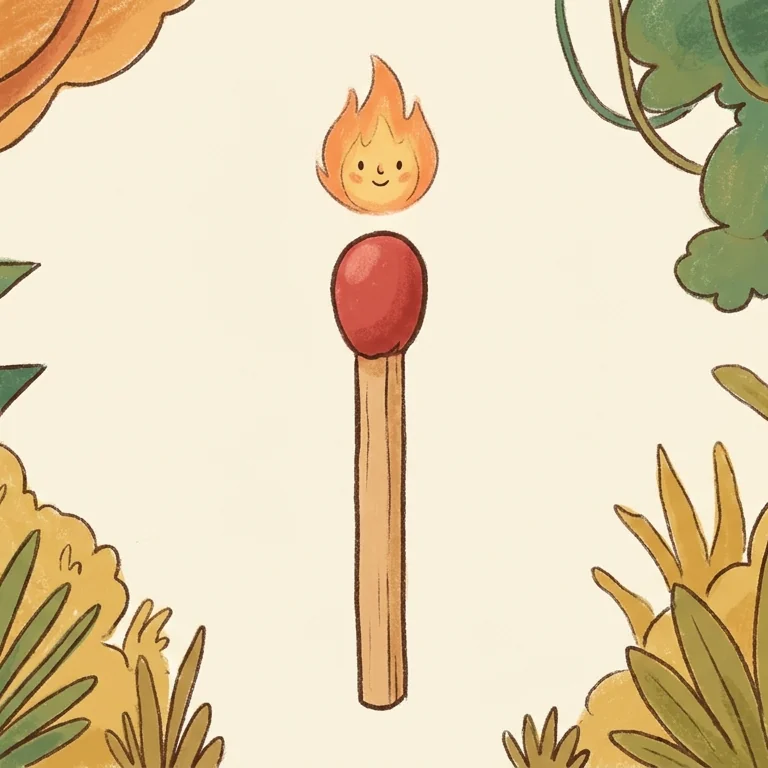
match mach -

meal meel -
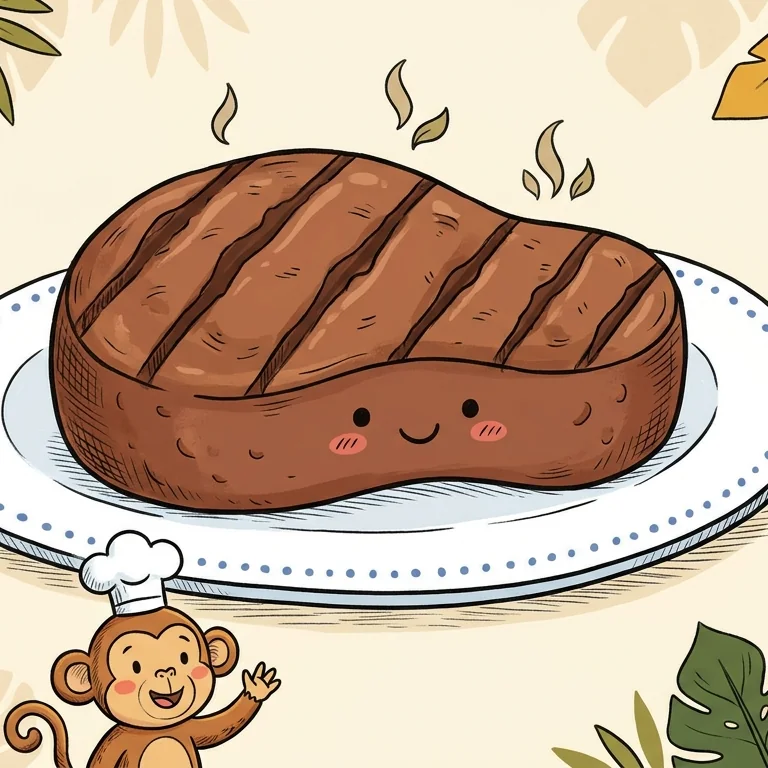
meat meet -
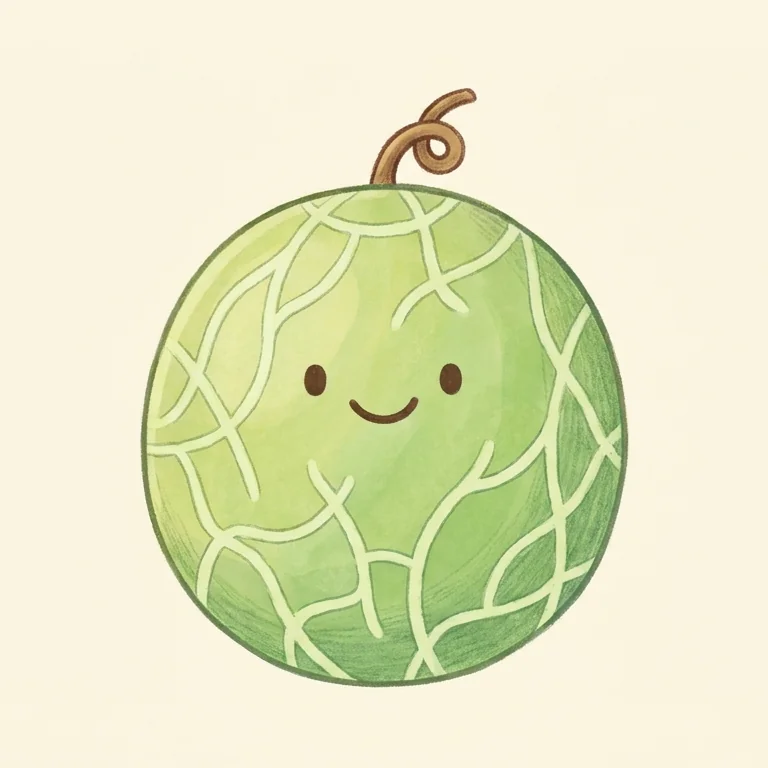
melon mel-un -
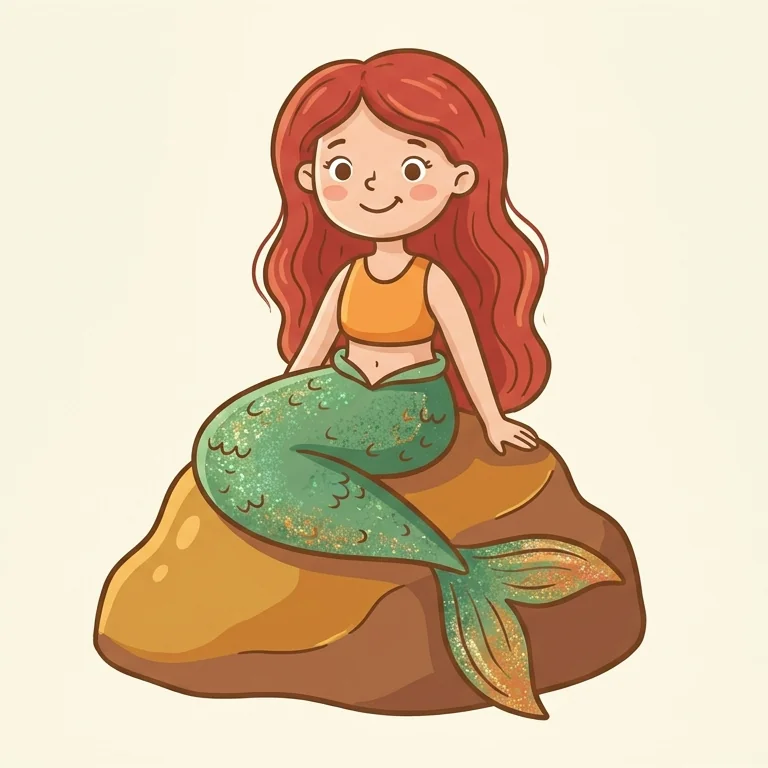
mermaid mur-mayd -
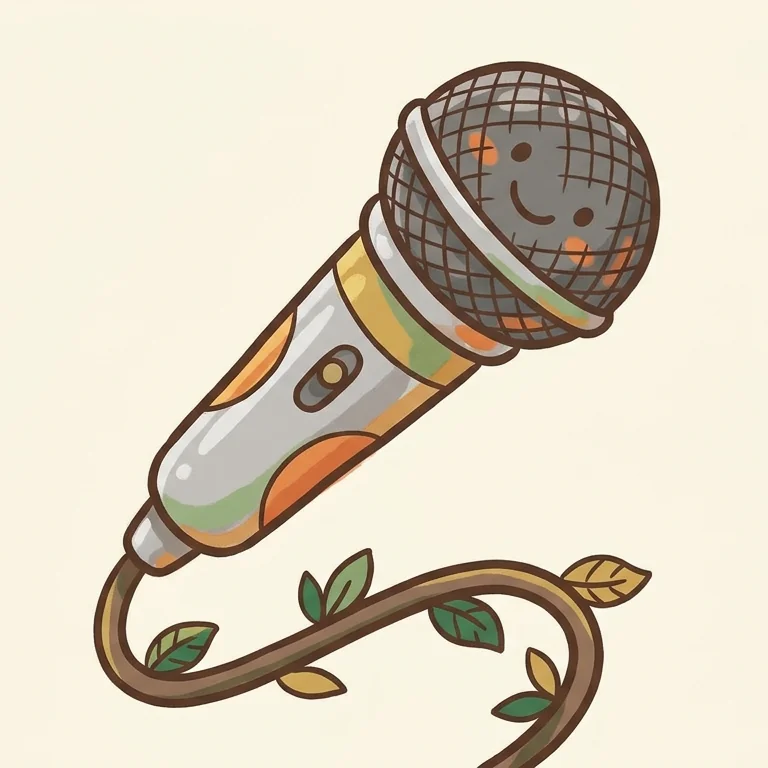
microphone my-kroh-fohn -
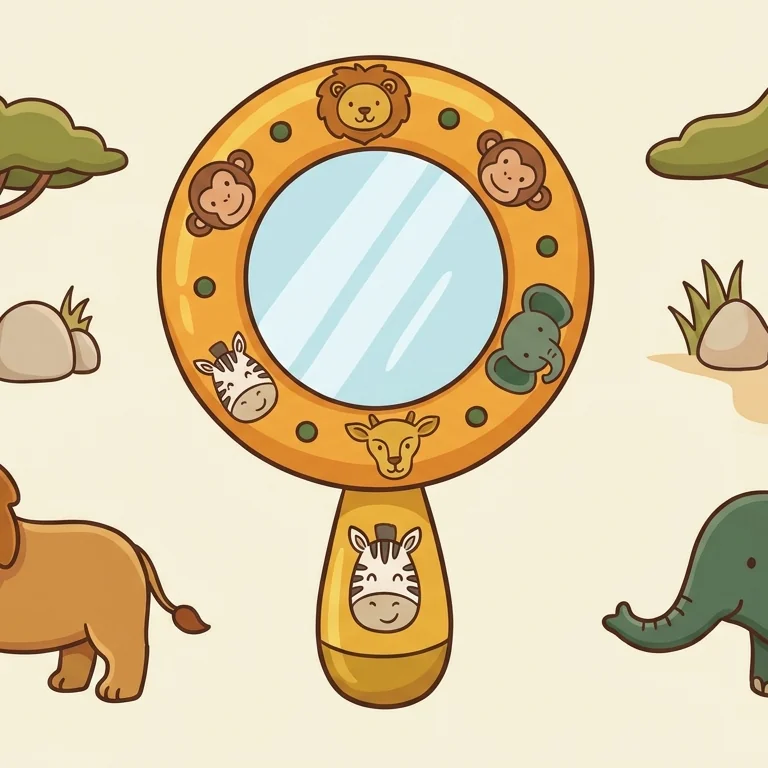
mirror mir-er -

mitten mit-en -
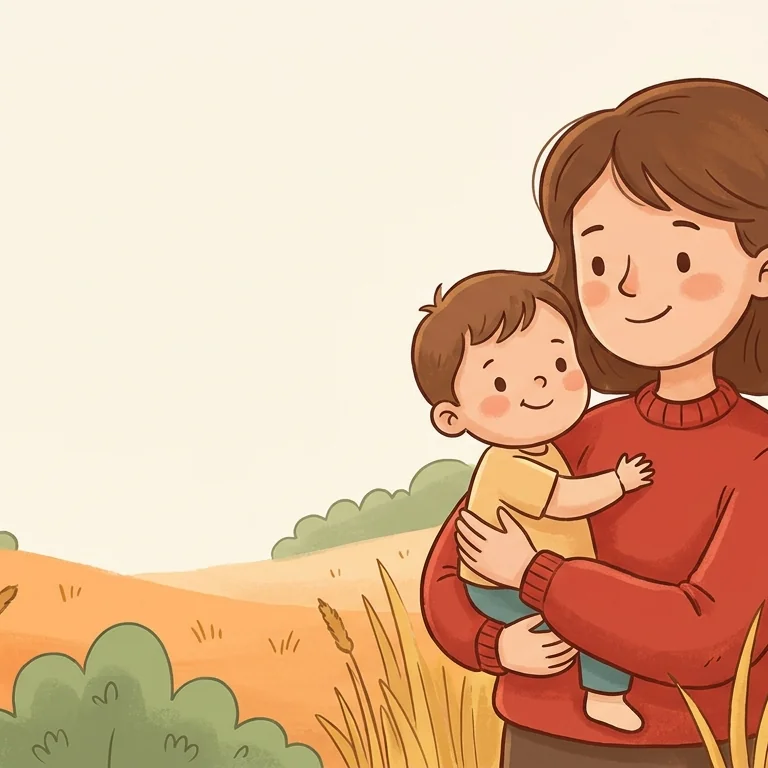
mom mom -

money mun-ee -
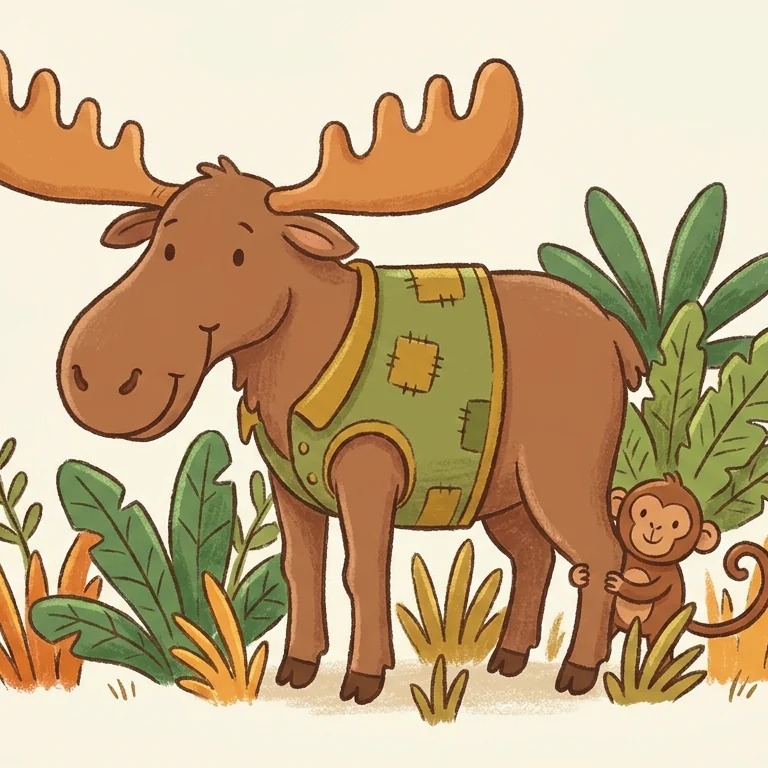
moose moos -
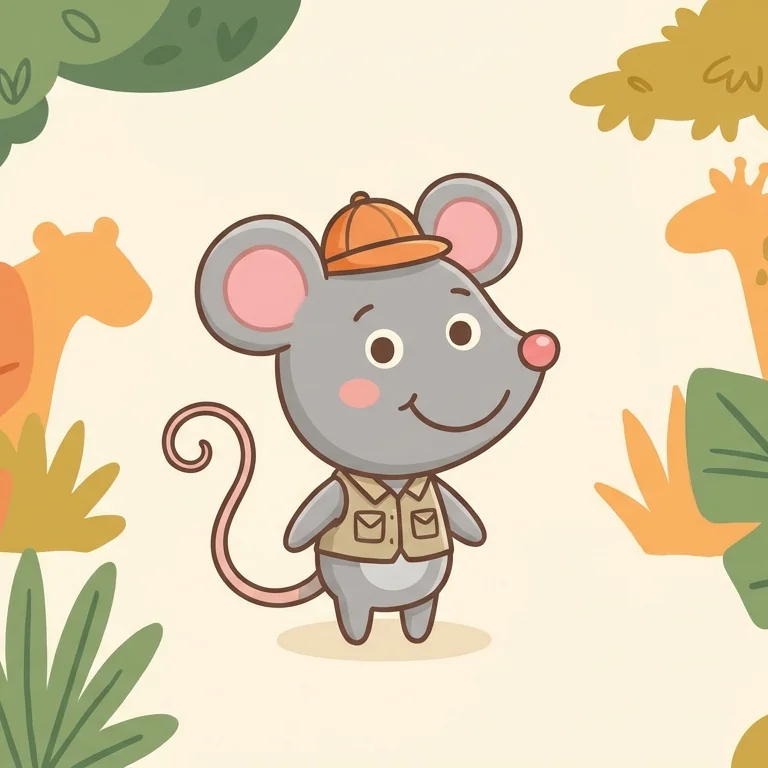
mouse mows -
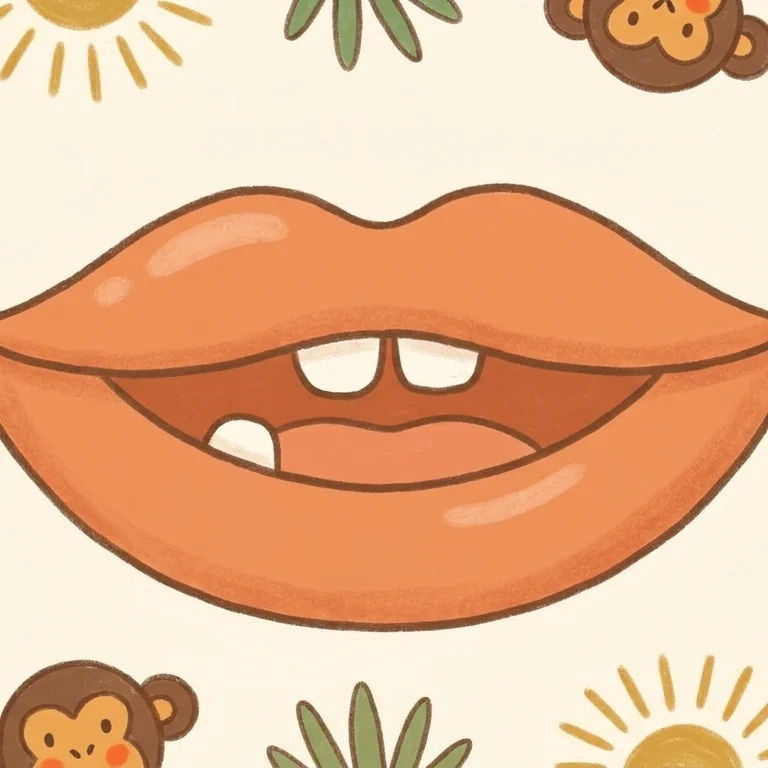
mouth mowth -

mud mud -
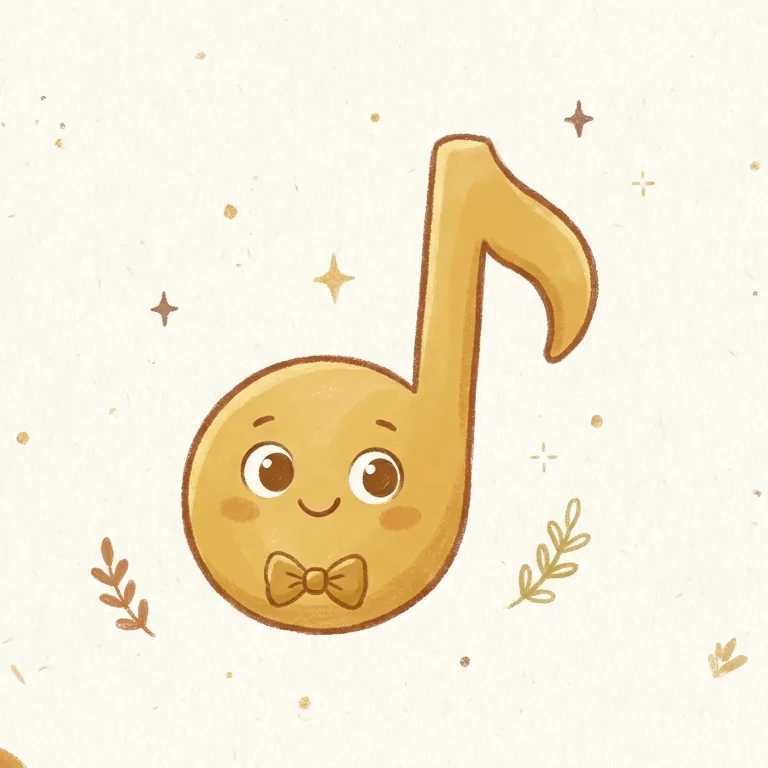
music myoo-zik
Medial — /m/ in the middle of the word (28)
-
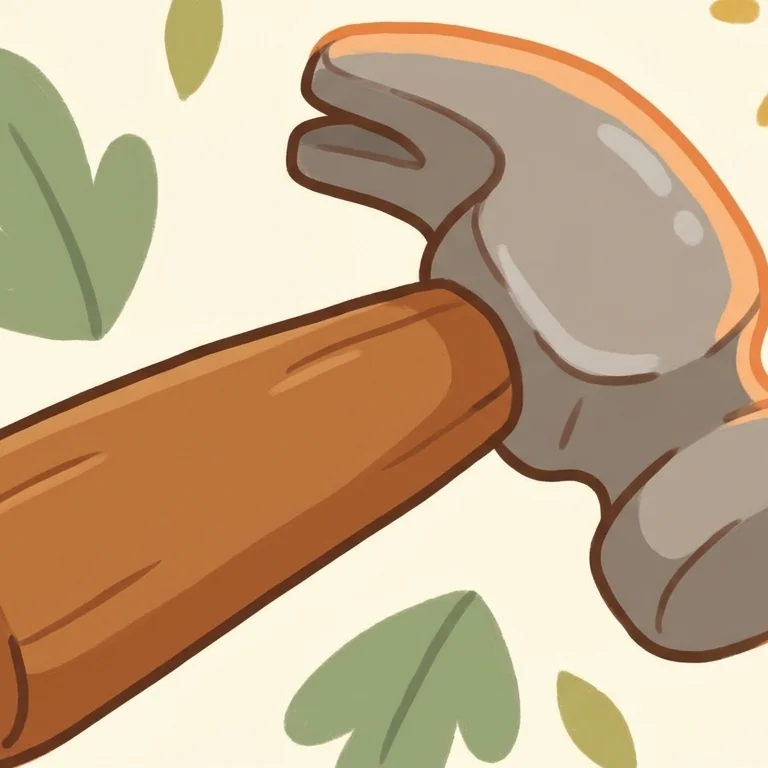
hammer ham-er -
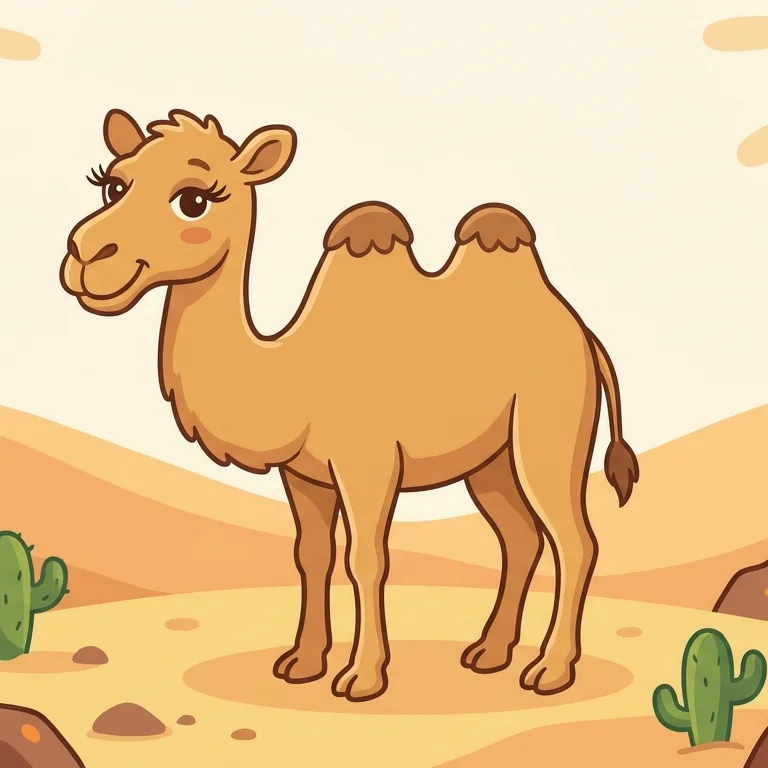
camel kam-ul -

lemon lem-un -
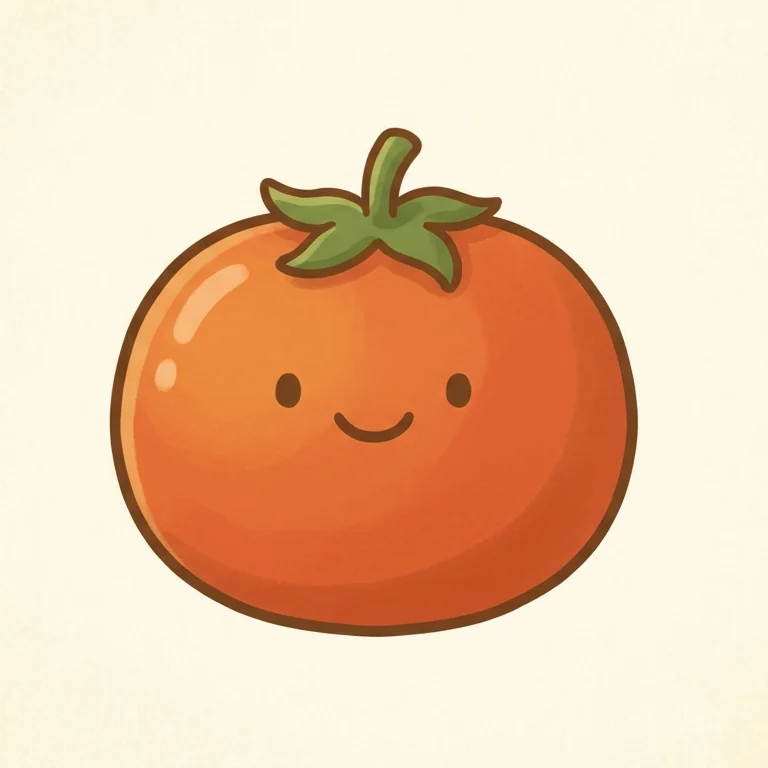
tomato toh-may-toh -
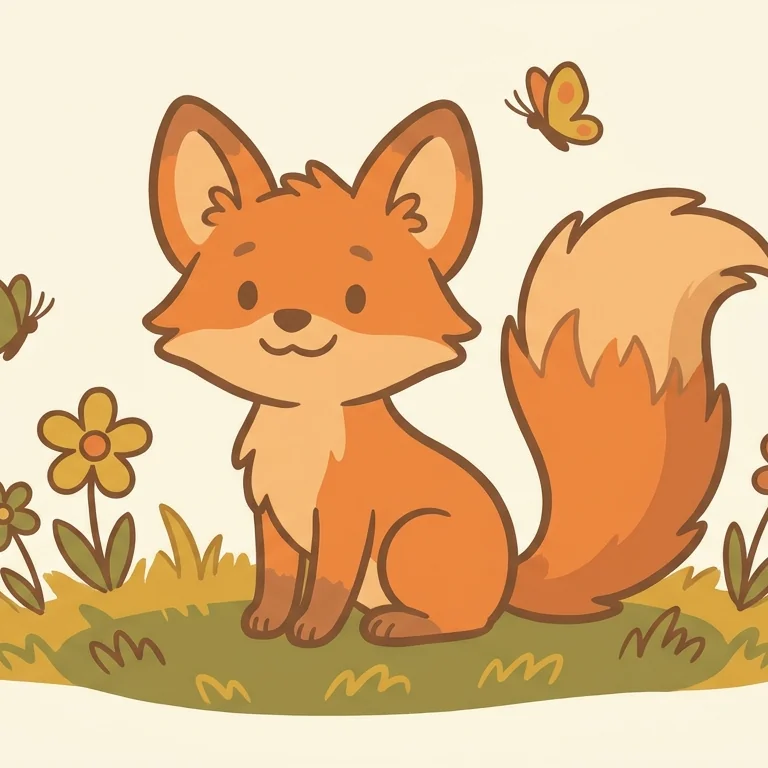
animal an-uh-mul -
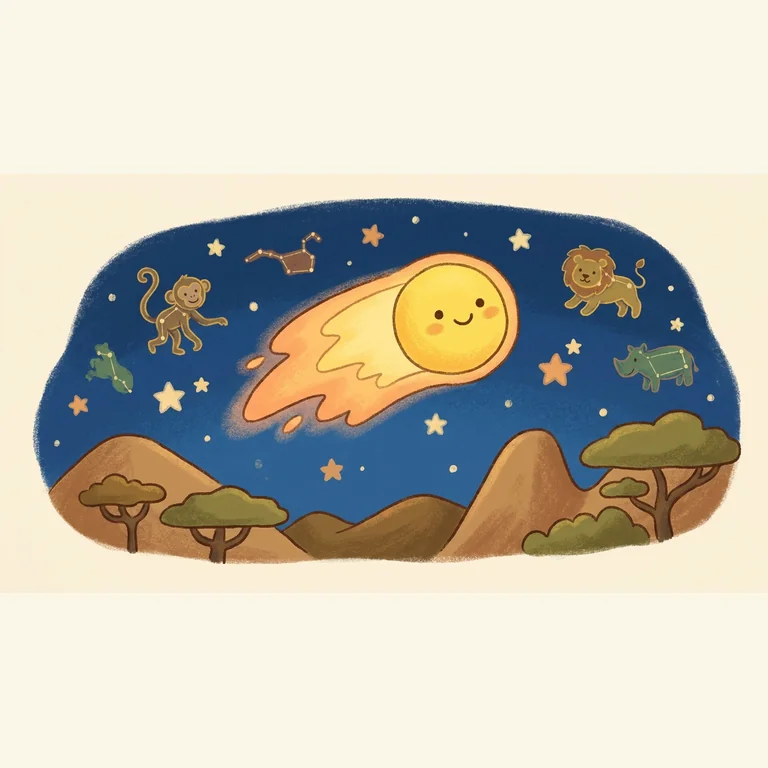
comet kom-et -
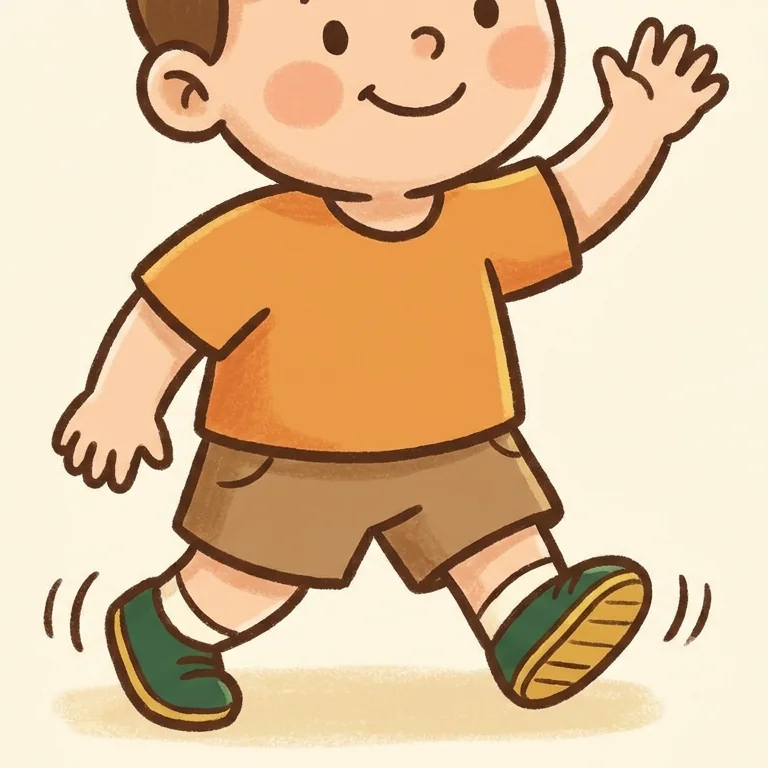
coming kum-ing -

diamond dy-mund -
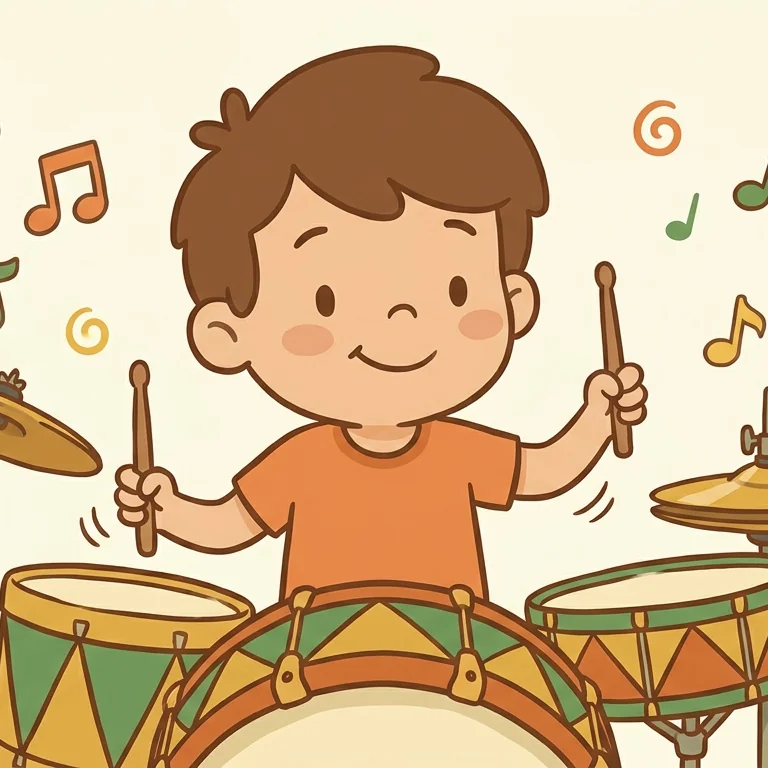
drummer drum-er -

family fam-uh-lee -
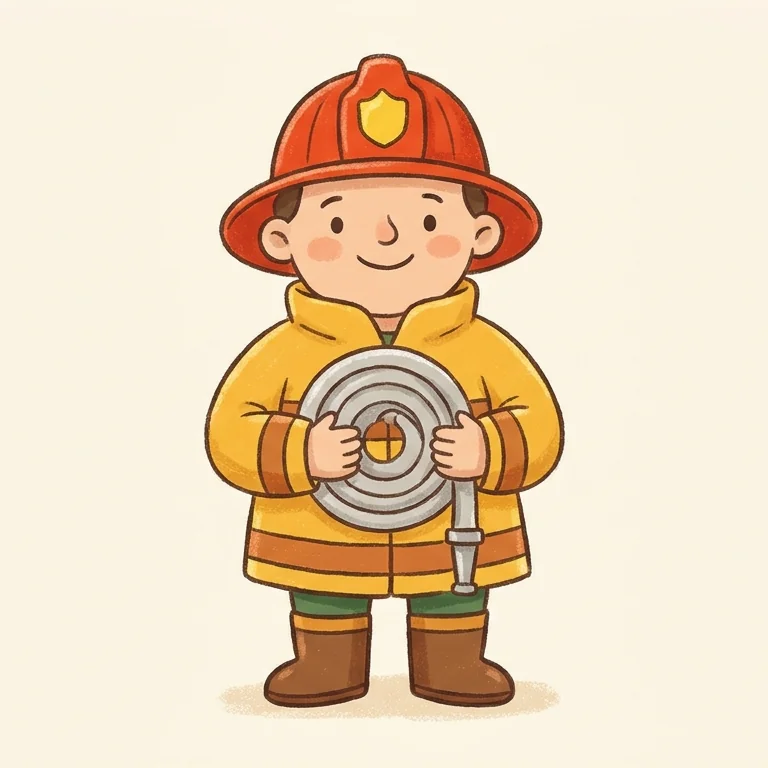
fireman fyr-man -
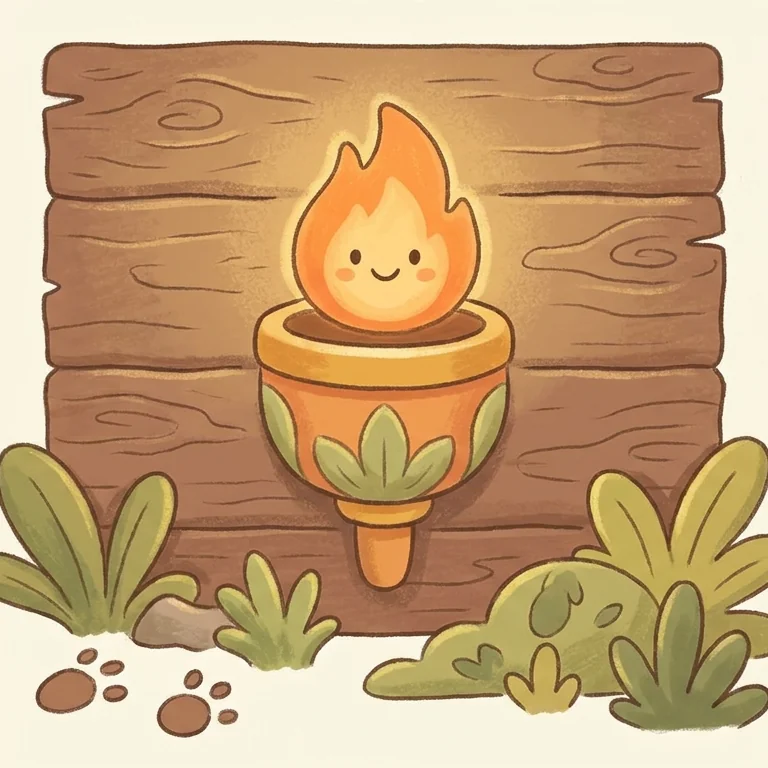
flaming flay-ming -

gummy gum-ee -
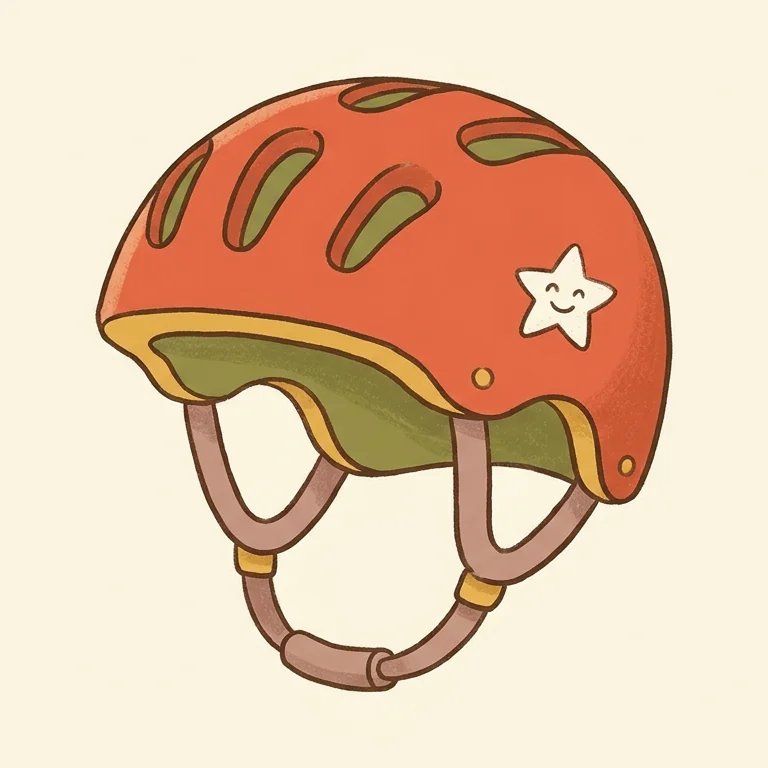
helmet hel-met -
humming hum-ing -

image im-ij -
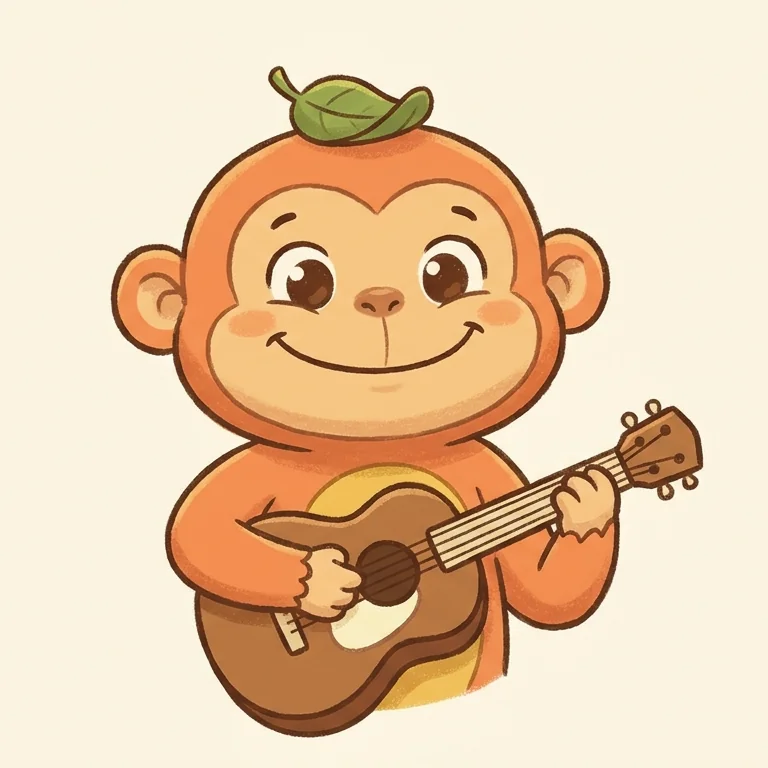
jammer jam-er -
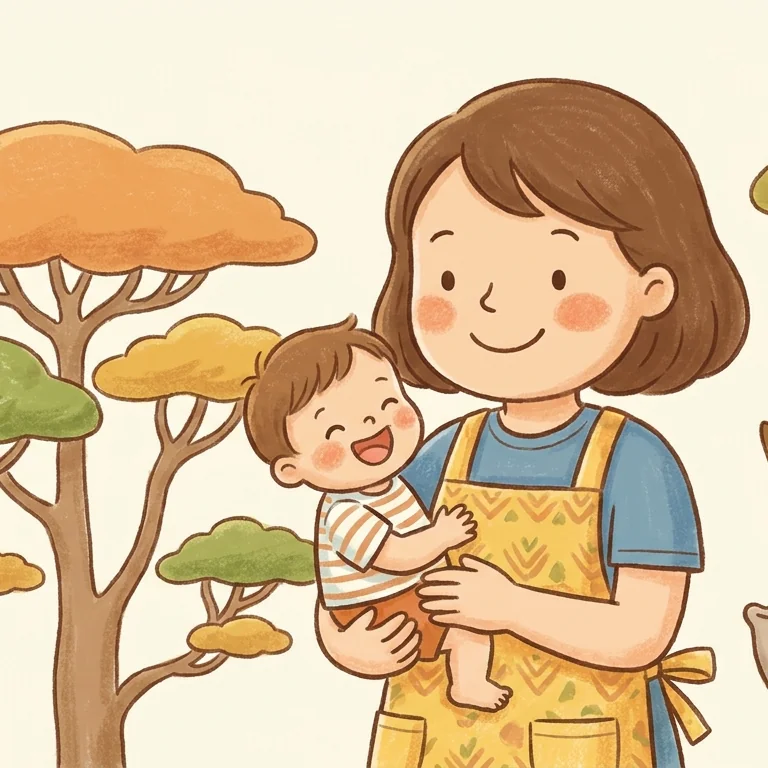
mommy mom-ee -
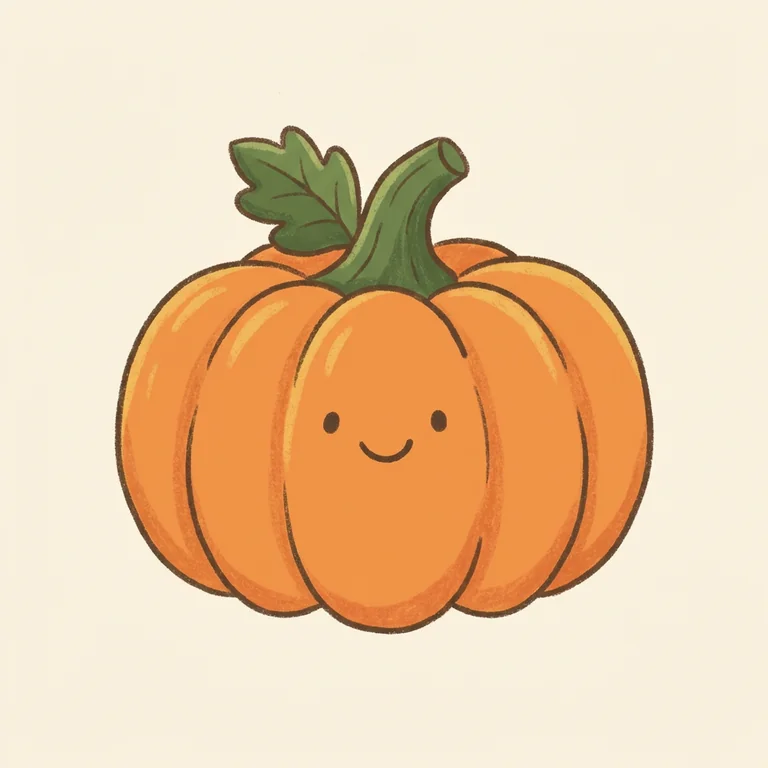
pumpkin pump-kin -

ramen rah-men -

rummy rum-ee -
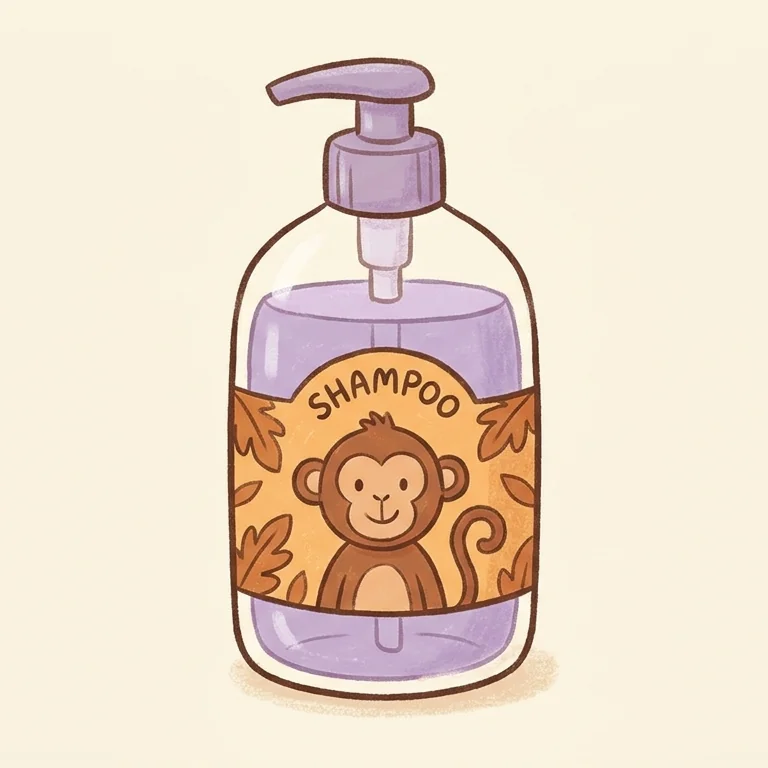
shampoo sham-poo -

summer sum-er -
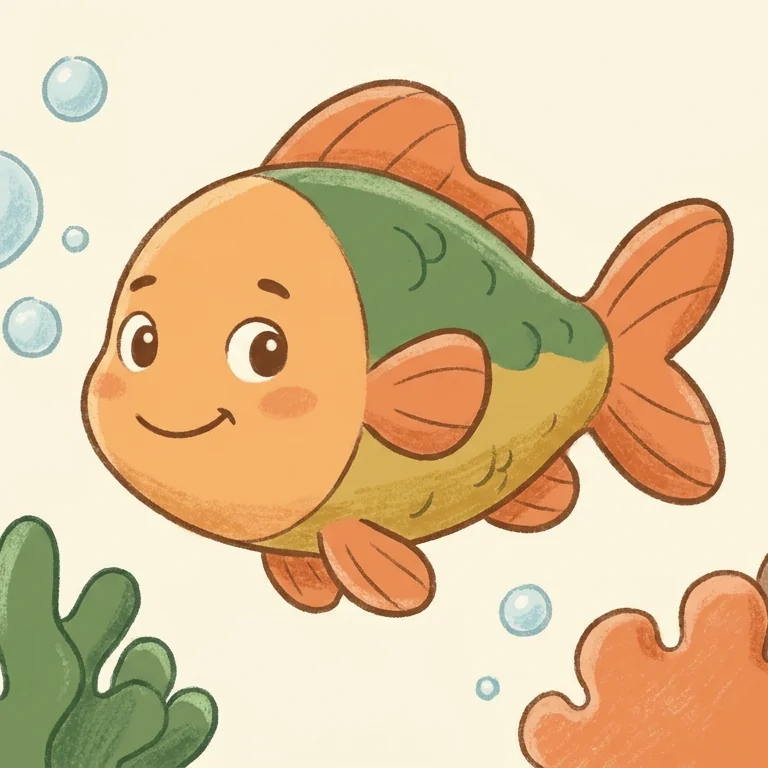
swimming swim-ing -
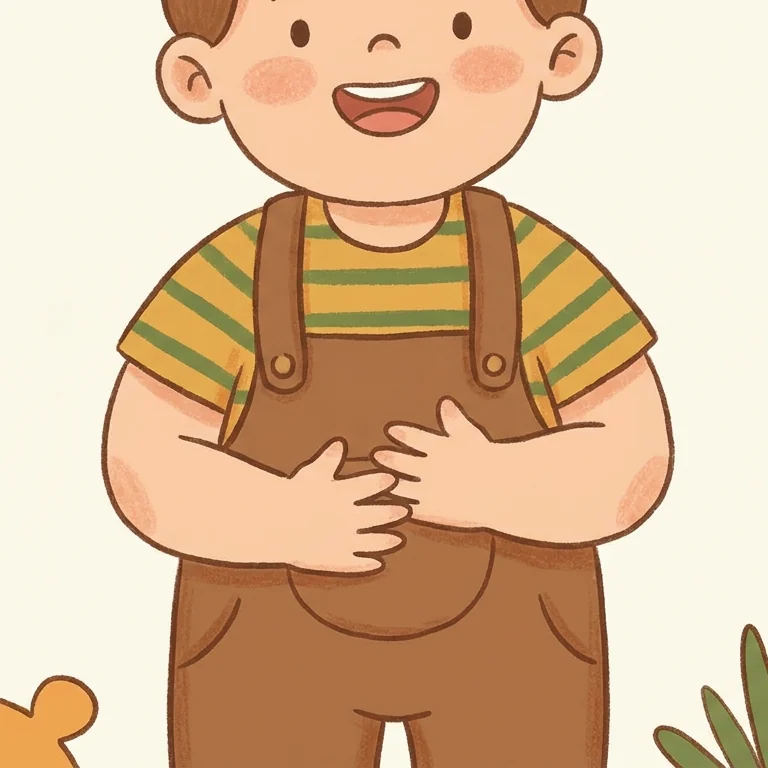
tummy tum-ee -

vitamin vy-tuh-min -

woman woo-mun -
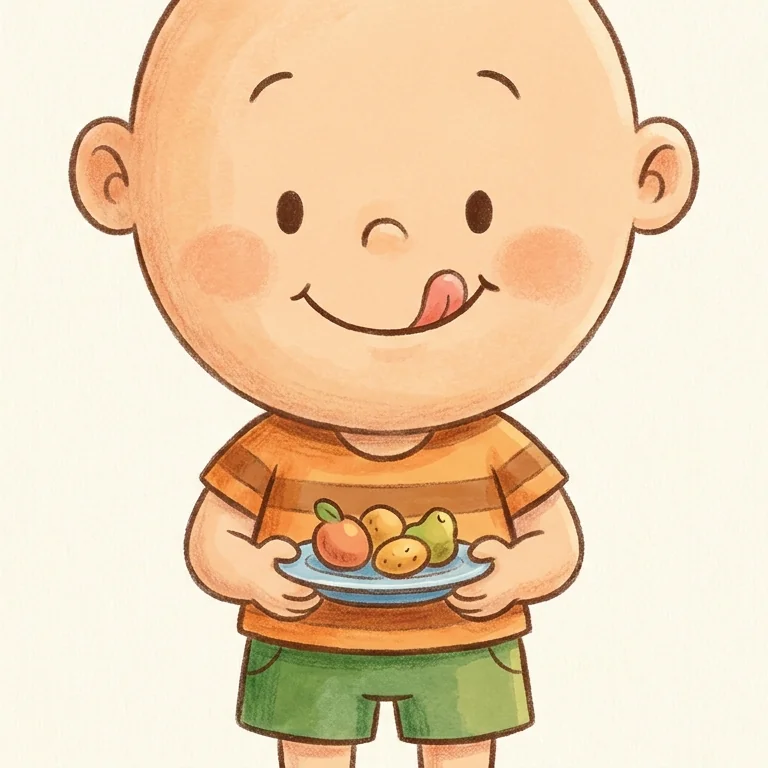
yummy yum-ee
Final — /m/ at the end of the word (29)
-
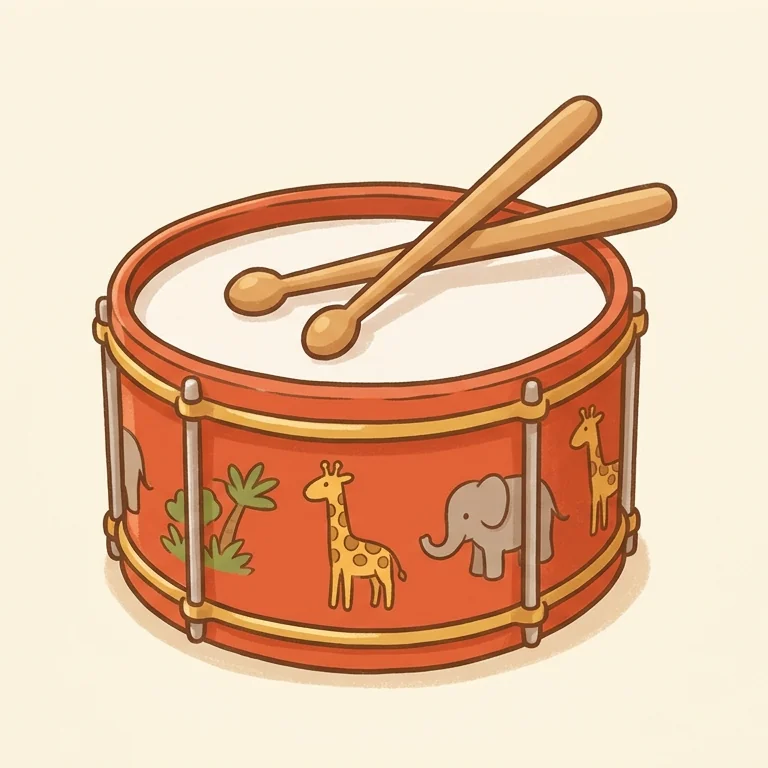
drum drum -

gum gum -
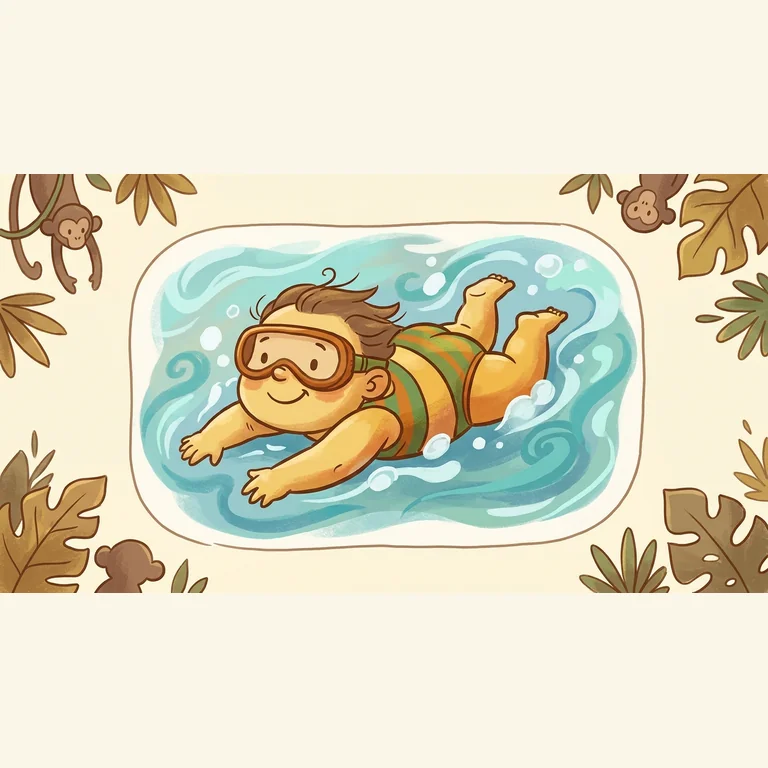
swim swim -
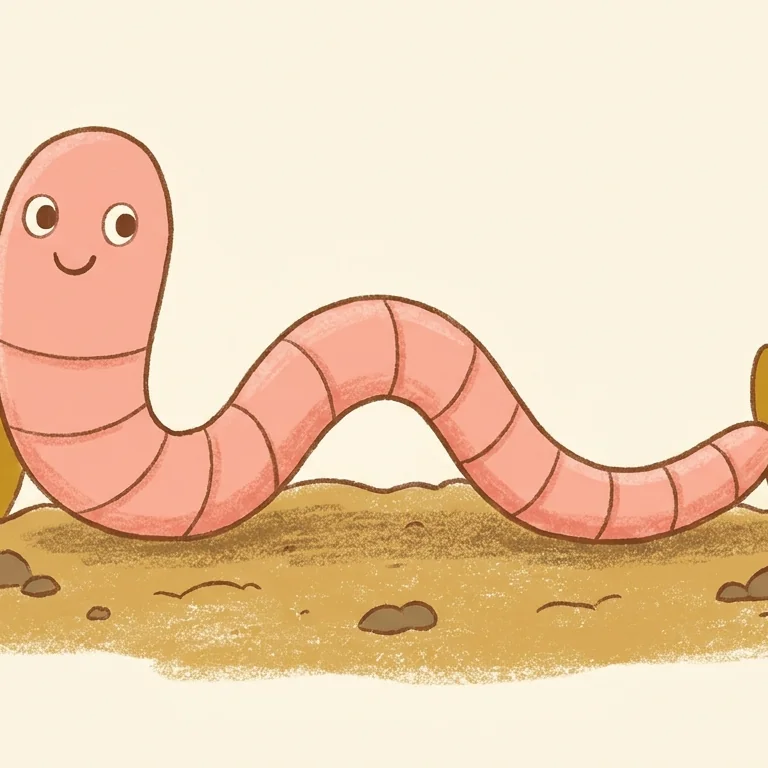
worm wurm -

ice cream ys kreem -
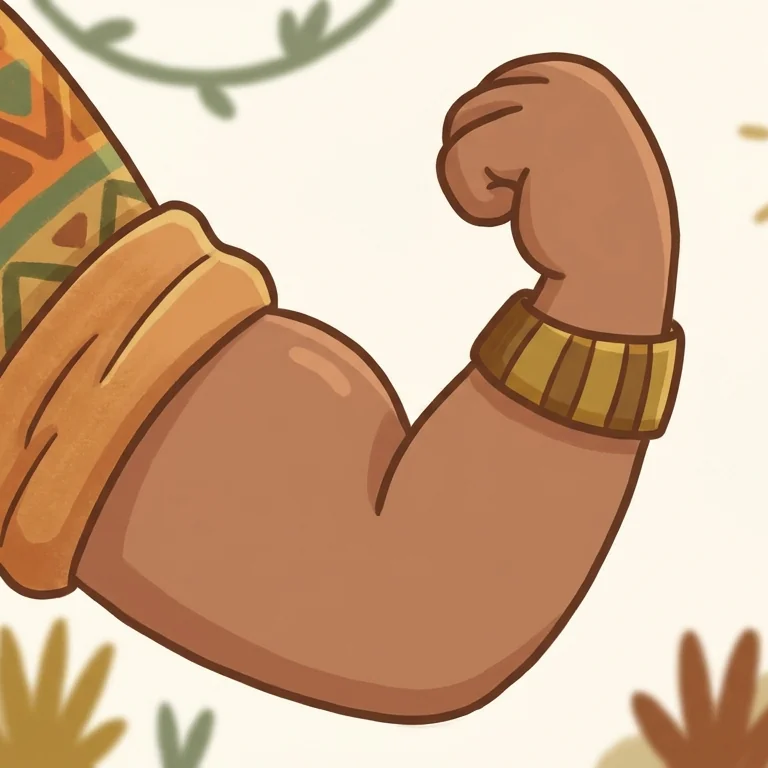
arm arm -
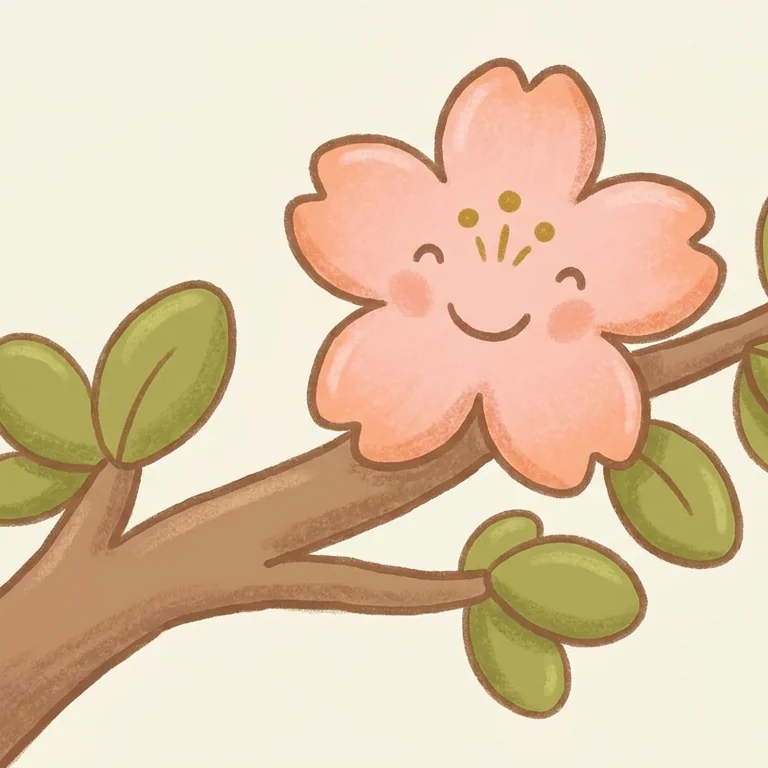
blossom blos-um -

boom boom -

bottom bot-um -
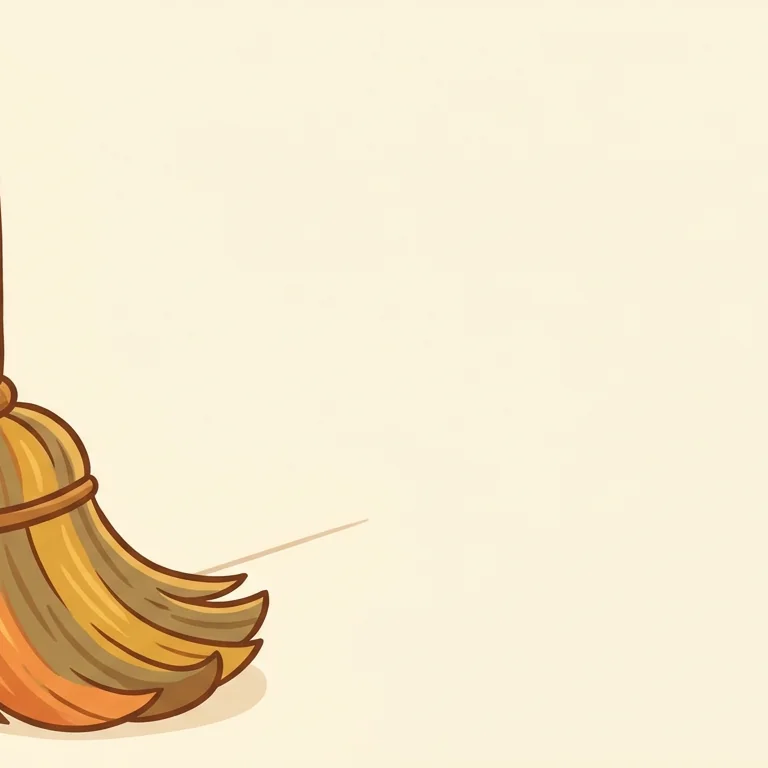
broom broom -
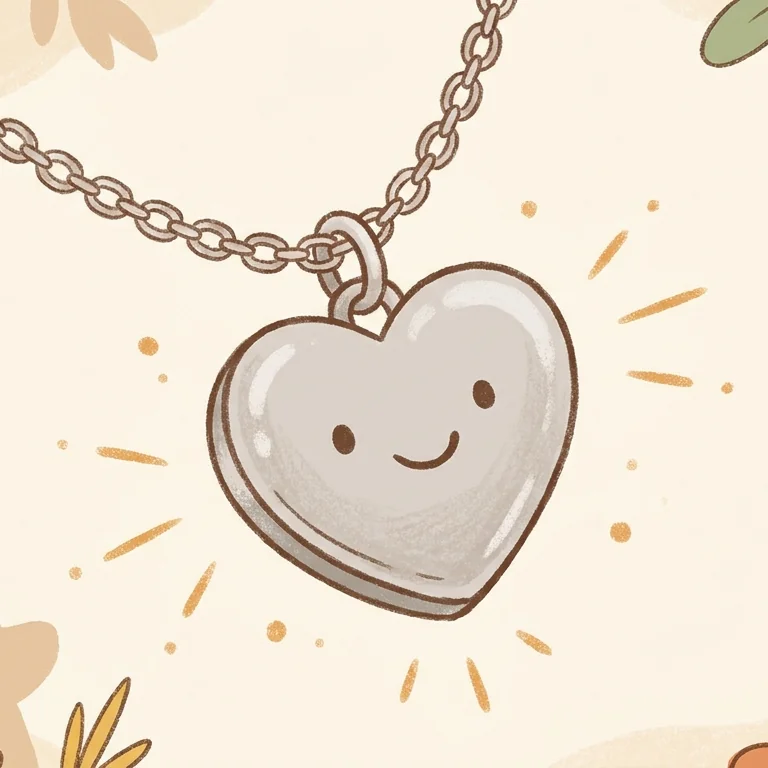
charm charm -
climb klym -

dream dreem -

farm farm -
foam fohm -

gem jem -

ham ham -
jam jam -

kingdom king-dum -
mom mom -

palm pahm -

plum plum -
problem prob-lum -
room room -
stem stem -

storm storm -
stream streem -

team teem -

zoom zoom
Minimal pairs for /m/
Minimal pairs differ by a single sound — the heart of phonological therapy. Tap a card to hear it, or tap “vs” to hear a pair back-to-back.
- Mat
 Bat
Bat - Meat
 Beet
Beet -
 Mug
Mug Bug
Bug
More /m/ minimal pairs — tap a contrast to explore
/m/ at the start · 25
- maybe baby
- mall ball
- mat bat
- match batch
- math bath
- matter batter
- meat beet
- meet beet
- million billion
- mitten bitten
- moat boat
- mossy bossy
- mother bother
- mole bowl
- mass brass
- moves brave
- moth broth
- mush brush
- mud bud
- muddy buddy
- muff buff
- mug bug
- munch bunch
- money bunny
- mush bush
/m/ at the end · 2
- jam jab
- rim rib
/m/ sound — frequently asked questions
At what age should my child say the /m/ sound? +
Most children produce /m/ correctly by age 3. About half can do it by age 2. /m/ is often one of the very first sounds babies make ("ma-ma").
Is it normal for my child to leave off /m/ sometimes? +
Occasional omissions are normal in early speech. By age 3, /m/ should be reliable in most words. If it's frequently missing, talk to an SLP.
Why is the /m/ sound usually easy? +
/m/ uses simple lip closure and the natural humming voice — it's one of the most visible and easiest English sounds.
How can I help my child practice /m/ at home? +
Hum "mmmm" together, feel the nose buzz with a finger, and play with names of family members ("Mama", "Mimi", "Memaw") to make it fun.
When should we see a speech therapist about /m/? +
If /m/ is being substituted with /b/ or omitted past age 3, or if your child sounds congested all the time even when not sick, see an SLP — it could be a resonance issue.
Can older children and adults still correct /m/? +
Yes, though /m/ rarely needs correcting at older ages. The most common adult-stage issue is hypernasality or hyponasality, which an SLP evaluates.
Related sounds
Sounds that pair, contrast, or are commonly confused with /m/.