 Sound Safari
Voicing
/p/ → /b/
Worth a speech-language evaluation when noticed at any age.
What helps →
Touch the throat — /p/ is silent, /b/ buzzes. Have the child feel the difference with their hand.
Speech Sound Guide
The /p/ sound typically develops by age 3. This guide covers when /p/ develops, what typically goes wrong, simple ways to practice it, and over 90 /p/ words organized by position.
Developmental norms — when the /p/ sound typically emerges and is mastered.
Source: McLeod & Crowe (2018); Crowe & McLeod (2020), AJSLP.
A child still substituting or distorting /p/ after age 3 is a good candidate for a speech-language evaluation — earlier if they're hard to understand or frustrated.
Sound Safari's 24-sound screener checks against the McLeod & Crowe norms above.
What typically goes wrong — and whether it's age-appropriate.
Practical starting points for parents and SLPs. Always follow your SLP's plan if your child is in therapy.
Every word from the Sound Safari practice library. The /p/ in each word is bolded.









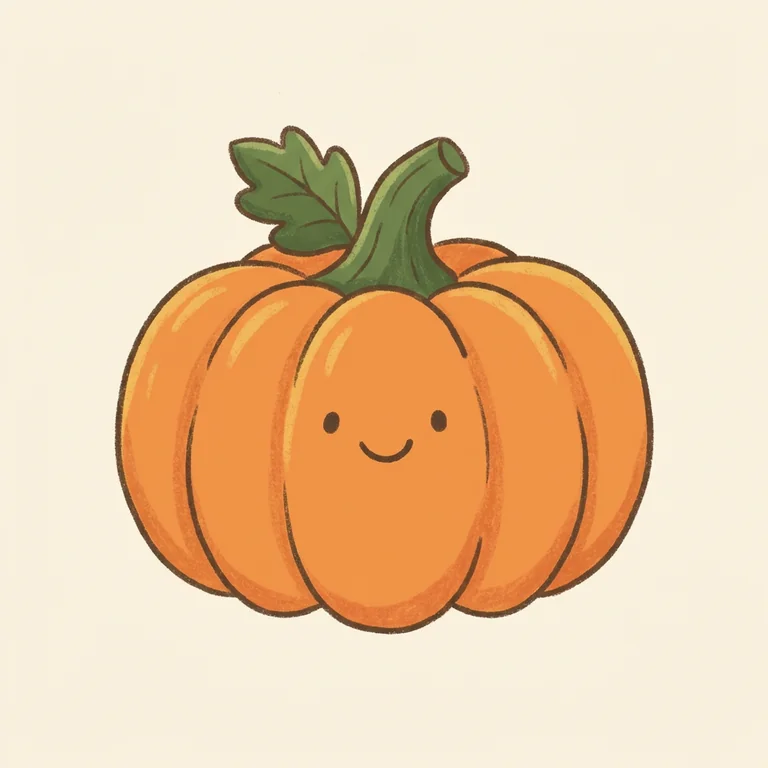




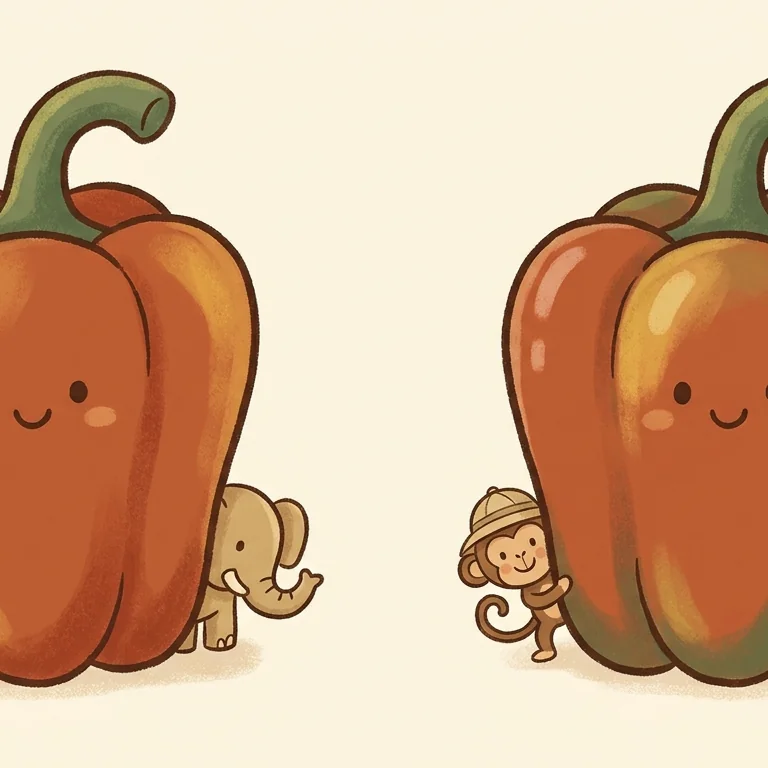



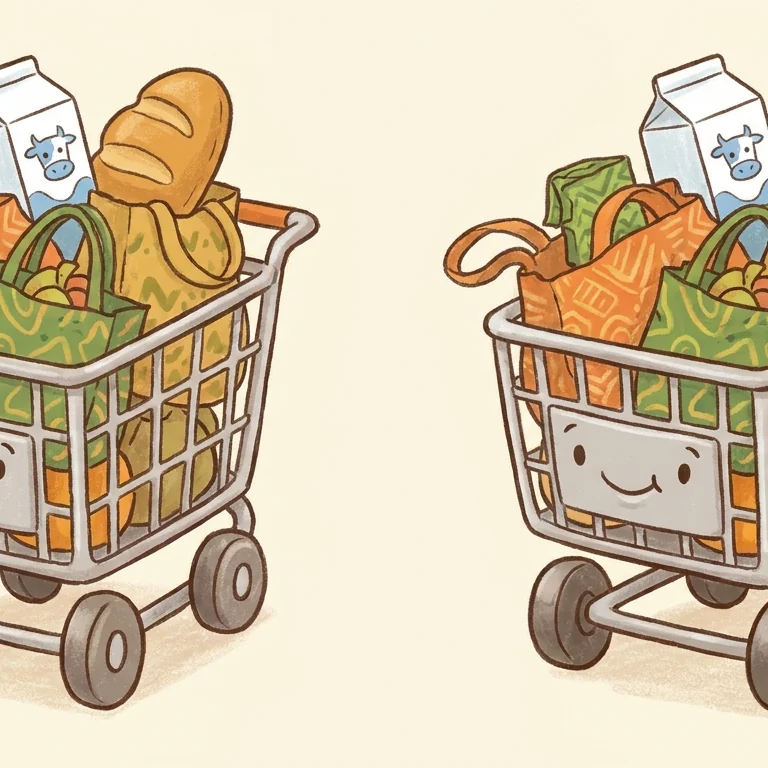

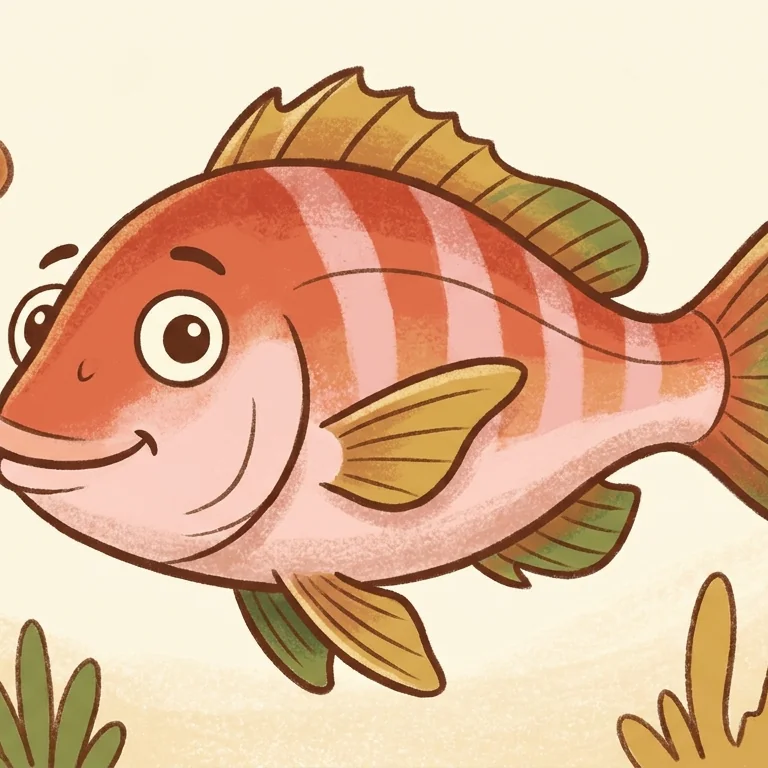
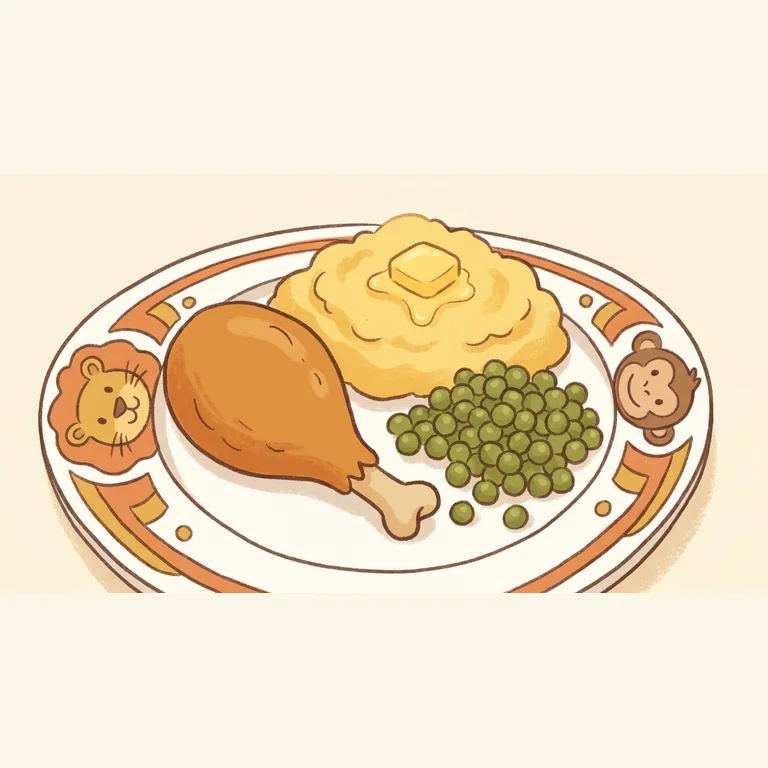
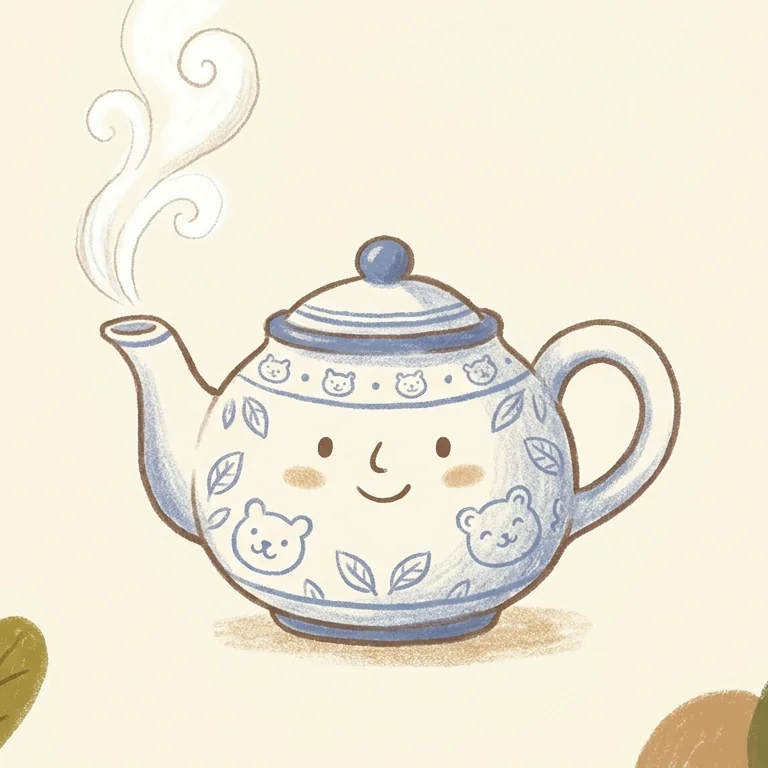

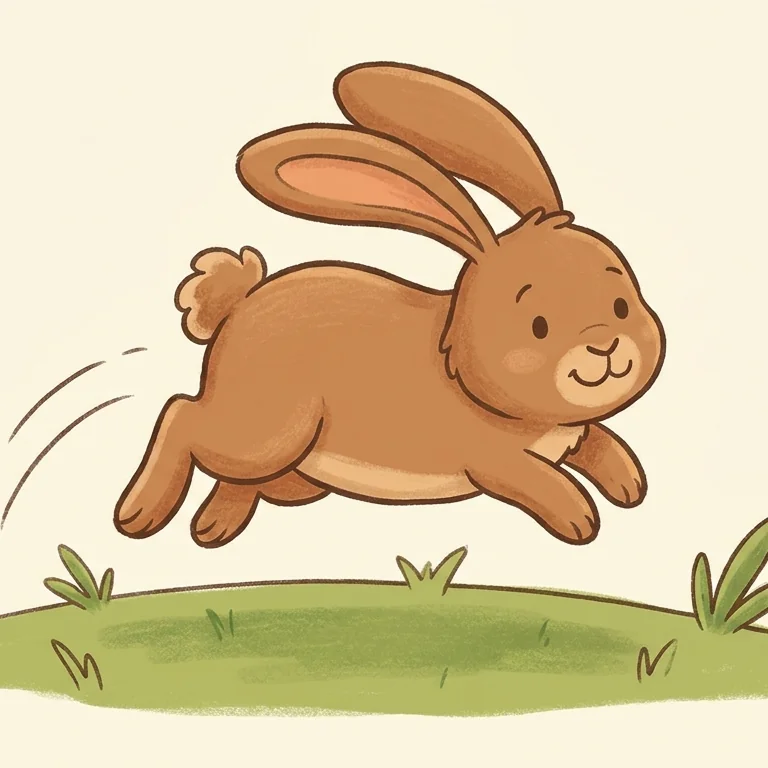
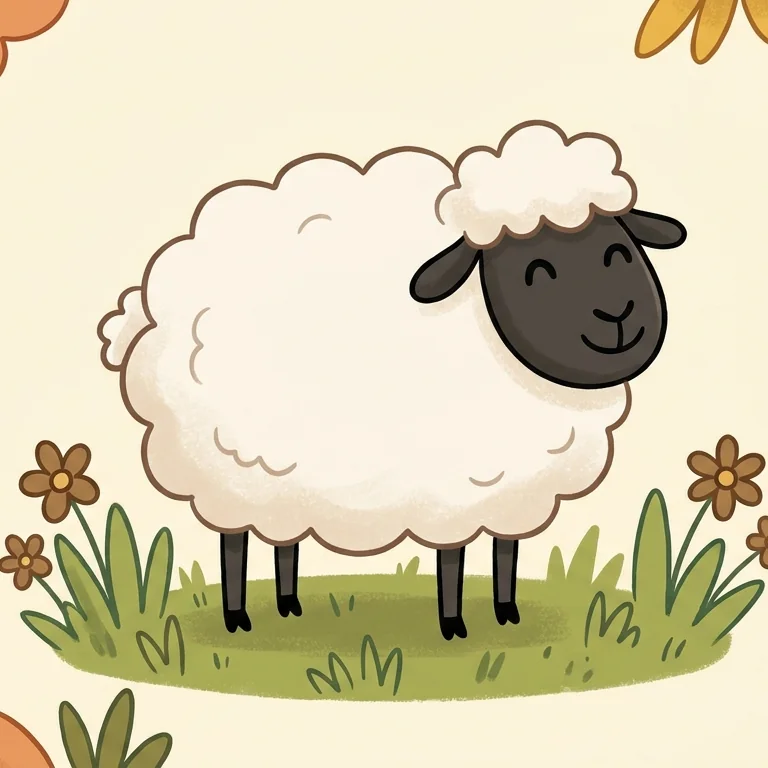
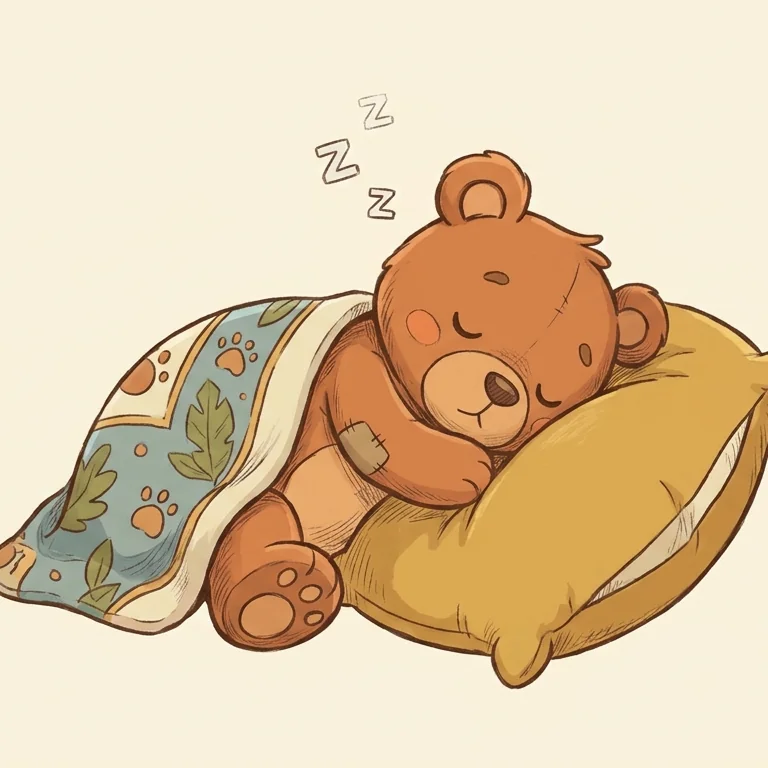



Minimal pairs differ by a single sound — the heart of phonological therapy. Tap a card to hear it, or tap “vs” to hear a pair back-to-back.

More /p/ minimal pairs — tap a contrast to explore
/p/ at the start · 20
/p/ in the middle · 2
/p/ at the end · 7
Most children produce /p/ correctly by age 3. About half can do it by 18 months. /p/ is one of the earliest English sounds to develop.
Saying "b" instead of "p" (voicing) is developmentally typical up to about age 3. If it persists past age 3, it's worth a check-in.
/p/ uses simple lip closure — the lips are visible and easy to copy. That's why it's one of the first sounds children master.
Demonstrate the lip pop in a mirror, have the child feel the puff with their finger, and contrast /p/ (silent) with /b/ (buzzy) using the throat touch.
If /p/ is still being replaced with /b/ or omitted after age 3, it's a reason to see an SLP.
Yes — /p/ is one of the most treatable sounds at any age because the lip movement is visible and easy to imitate.
Sounds that pair, contrast, or are commonly confused with /p/.
 Tap on iPhone or iPad