Sound Safari Sound Safari

Speech Sound Guide

The CH Sound: Norms, Challenges & Word Lists

The /ch/ sound is one of the later sounds children master — typically by age 6. This guide covers when /ch/ develops, what typically goes wrong, simple ways to practice it, and over 90 /ch/ words organized by position.

When should a child say /ch/?

Developmental norms — when the /ch/ sound typically emerges and is mastered.

Late-developing
6
Age of 90% mastery
years;months notation
50% mastery
Age 5
90% mastery
Age 6
Manner
affricate Affricates start as a stop and release into a fricative (like /ch/ and /j/).
Voicing
Voiceless Voiceless sounds don't vibrate the vocal cords — just air, no buzz.
Where /ch/ falls on the speech-sound timeline
2 yrs4 yrs6 yrs8 yrs

Source: McLeod & Crowe (2018), AJSLP.

A child still substituting or distorting /ch/ after age 6 is a good candidate for a speech-language evaluation — earlier if they're hard to understand or frustrated.

Find out where /ch/ stands — in 5 minutes

Sound Safari's 23-sound screener checks against the McLeod & Crowe norms above.

Try the screener

Common challenges with /ch/

What typically goes wrong — and whether it's age-appropriate.

Stopping

/ch/ → /t/

Typically resolves on its own by around age 4; worth a check-in if it persists.

What helps →

Build /ch/ from /t/ slowly: "t … sh … ch" — show that /ch/ has the /t/ plus a release into "sh".

Try these /ch/ words ↓

Deaffrication

/ch/ → /sh/

Typically resolves on its own by around age 4; worth a check-in if it persists.

What helps →

Add the stop back: have the child briefly hold the tongue, then release into the /sh/. Feel the puff of air on a finger.

Try these /ch/ words ↓

Voicing

/ch/ → /j/

Worth a speech-language evaluation when noticed at any age.

What helps →

Touch the throat — /ch/ is silent, /j/ buzzes. Compare "chip" and "jip" so the child hears the difference.

Try these /ch/ words ↓

How to practice the /ch/ sound

Practical starting points for parents and SLPs. Always follow your SLP's plan if your child is in therapy.

  1. 1 Build /ch/ from /t/ + /sh/. /ch/ is two sounds blended together: a /t/ stop followed by a /sh/ release. Have your child say "t" then "sh" slowly, then closer and closer until they merge.
  2. 2 Round the lips. /ch/ uses rounded, slightly forward lips — like saying "oo" then dropping the voice. Watch in a mirror so the child sees and copies the shape.
  3. 3 Feel the puff of air. /ch/ releases a small puff of air. Have your child hold their hand in front of their mouth — they should feel a quick puff with each "ch".
  4. 4 Contrast pairs — /ch/ vs. /sh/. Saying "sh" instead of "ch" is the most common slip. Use pairs like chip/ship, cheap/sheep, watch/wash to train the ear and the mouth.
  5. 5 Start at the start of words. /ch/ is easiest at the beginning of a word. Master initial /ch/ ("chip", "chair") before moving to medial and final positions.

/ch/ word lists by position over 90 words

Every word from the Sound Safari practice library. The /ch/ in each word is bolded.
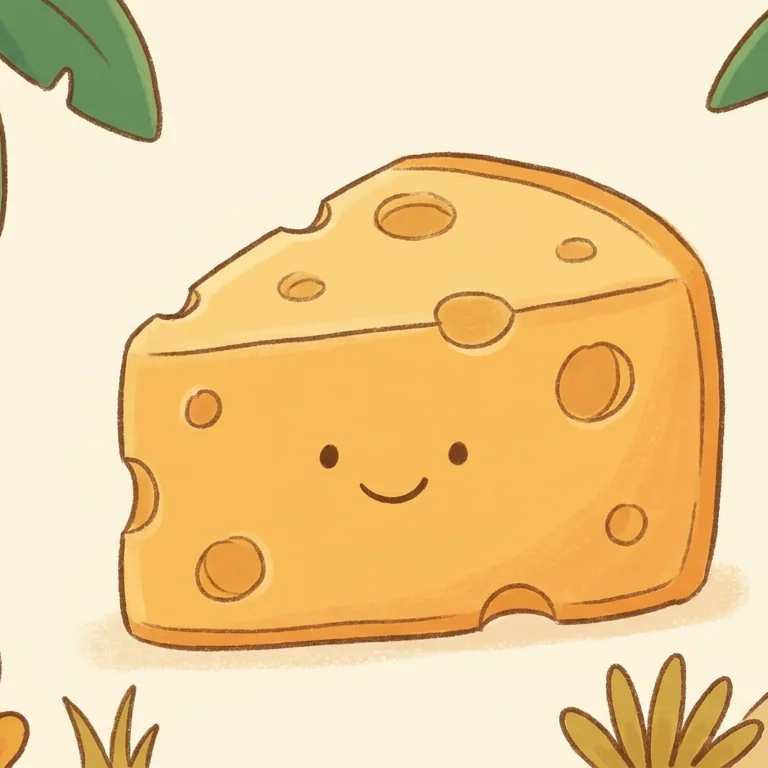
Initial — /ch/ at the start of the word (30)

cheese
cheese
cheez
cherry
cherry
cher-ee
chicken
chicken
chik-en
chocolate
chocolate
chok-lit
chair
chair
chair
chain
chain
chayn
chalk
chalk
chawk
champ
champ
champ
change
change
chaynj
chase
chase
chays
chat
chat
chat
check
check
chek
cheek
cheek
cheek
cheer
cheer
cheer
chef
chef
shef
chest
chest
chest
chew
chew
choo
chick
chick
chik
child
child
chyld
chill
chill
chil
chimp
chimp
chimp
chin
chin
chin
chip
chip
chip
chirp
chirp
churp
choice
choice
choys
chop
chop
chop
church
church
church
churn
churn
churn
chimney
chimney
chim-nee
cheerful
cheerful
cheer-ful

Medial — /ch/ in the middle of the word (30)

teacher
teacher
tee-cher
ketchup
ketchup
kech-up
kitchen
kitchen
kich-en
catcher
catcher
kach-er
matching
matching
mach-ing
watching
watching
woch-ing
reaching
reaching
ree-ching
teaching
teaching
tee-ching
preacher
preacher
pree-cher
pitcher
pitcher
pich-er
butcher
butcher
buch-er
stretching
stretching
strech-ing
hatching
hatching
hach-ing
stitching
stitching
stich-ing
sketching
sketching
skech-ing
catching
catching
kach-ing
patching
patching
pach-ing
itching
itching
ich-ing
switching
switching
swich-ing
marching
marching
mar-ching
arching
arching
ar-ching
lurching
lurching
lur-ching
perching
perching
per-ching
searching
searching
ser-ching
scorching
scorching
scor-ching
torching
torching
tor-ching
crouching
crouching
krow-ching
pouching
pouching
pow-ching
munching
munching
mun-ching
crunching
crunching
krun-ching

Final — /ch/ at the end of the word (30)

beach
beach
beech
peach
peach
peech
sandwich
sandwich
sand-wich
watch
watch
woch
batch
batch
bach
bench
bench
bench
branch
branch
branch
bunch
bunch
bunch
catch
catch
kach
coach
coach
kohch
couch
couch
kowch
crunch
crunch
krunck
ditch
ditch
dich
hatch
hatch
hach
inch
inch
inch
itch
itch
ich
latch
latch
lach
lunch
lunch
lunch
march
march
march
match
match
mach
munch
munch
munch
patch
patch
pach
pitch
pitch
pich
pouch
pouch
powch
punch
punch
punch
ranch
ranch
ranch
reach
reach
reech
rich
rich
rich
scratch
scratch
skrach
stretch
stretch
strech

IEP goals for /ch/

A starting point for SLPs writing articulation goals — across the six therapy levels.

Goal progression — tap a level to see the goal

Sample goal — word level

"Given a verbal model, [student] will produce /ch/ in the initial position of words with 80% accuracy across 3 consecutive sessions."

See 5 SMART /ch/ goal templates (one per level) →

Track /ch/ progress automatically

Sound Safari logs every trial against your goals and writes the SOAP note for you.

Show me how

/ch/ sound — frequently asked questions

At what age should my child say the /ch/ sound? +

Most children produce /ch/ correctly by age 6. About half can do it by age 5. Substituting "sh" or "t" for /ch/ is common in younger kids.

Is it normal for my child to say "sh" for "ch"? +

Yes — deaffrication (saying "sh" instead of "ch") is developmentally typical up to about age 4. If it persists past age 6, it's worth a check-in.

Why is the /ch/ sound so hard? +

/ch/ is an affricate — a stop and a fricative blended into one quick sound. The timing has to be exact, so it takes more motor control than simple stops or fricatives.
How can I help my child practice /ch/ at home? +

Build it from "t + sh" said slowly, watch lip rounding in a mirror, and use contrast pairs like chip/ship to train the ear. See "How to practice" above.

When should we see a speech therapist about /ch/? +

If /ch/ is still being replaced with /sh/, /t/, or /j/ after age 6, or sooner if your child is hard to understand.

Can older children and adults still correct /ch/? +

Yes. /ch/ responds well to direct instruction at any age — the stop+release sequence is something most older kids and adults grasp quickly once it's broken down.

Related sounds

Sounds that pair, contrast, or are commonly confused with /ch/.

Try Sound Safari free for 14 days