 Sound Safari
Stopping
/j/ → /d/
Typically resolves on its own by around age 4; worth a check-in if it persists.
What helps →
Build /j/ from /d/ slowly: "d … zh … j" — /j/ has the /d/ stop PLUS a buzzy release. Slow practice with a mirror helps.
Speech Sound Guide
The /j/ sound typically develops by age 5. This guide covers when /j/ develops, what typically goes wrong, simple ways to practice it, and over 85 /j/ words organized by position.
Developmental norms — when the /j/ sound typically emerges and is mastered.
Source: McLeod & Crowe (2018); Crowe & McLeod (2020), AJSLP.
A child still substituting or distorting /j/ after age 5 is a good candidate for a speech-language evaluation — earlier if they're hard to understand or frustrated.
Sound Safari's 24-sound screener checks against the McLeod & Crowe norms above.
What typically goes wrong — and whether it's age-appropriate.
/j/ → /d/
Typically resolves on its own by around age 4; worth a check-in if it persists.
What helps →
Build /j/ from /d/ slowly: "d … zh … j" — /j/ has the /d/ stop PLUS a buzzy release. Slow practice with a mirror helps.
/j/ → /zh/
Typically resolves on its own by around age 4; worth a check-in if it persists.
What helps →
Add the stop back: have the child briefly hold the tongue, then release into the buzzy "zh" sound. Feel the throat buzz to confirm voicing.
/j/ → /ch/
Typically resolves on its own by around age 4; worth a check-in if it persists.
What helps →
Touch the throat — /j/ buzzes, /ch/ is silent. Compare "jet" and "chet" so the child hears the voicing difference.
Practical starting points for parents and SLPs. Always follow your SLP's plan if your child is in therapy.
Every word from the Sound Safari practice library. The /j/ in each word is bolded.




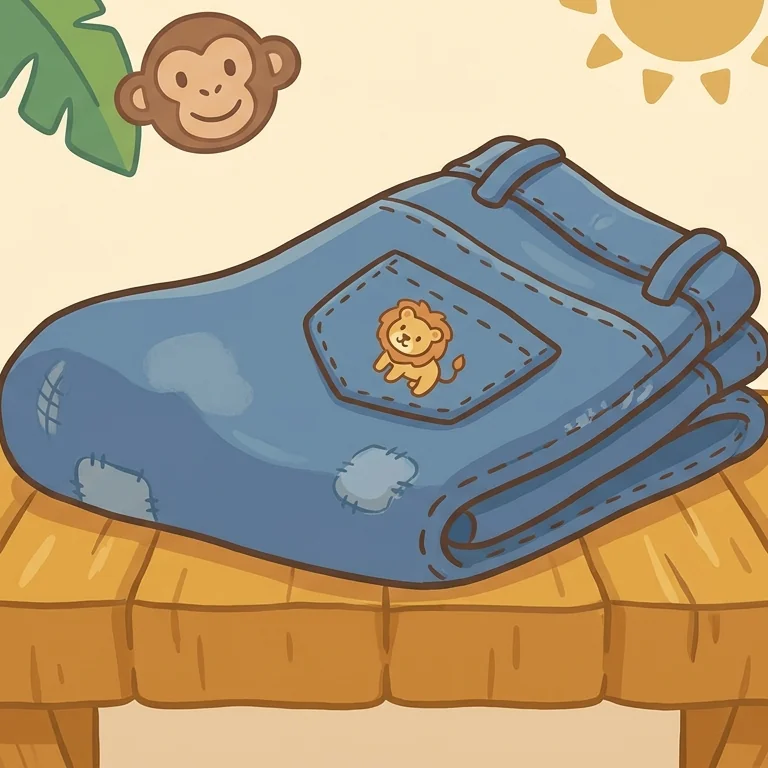
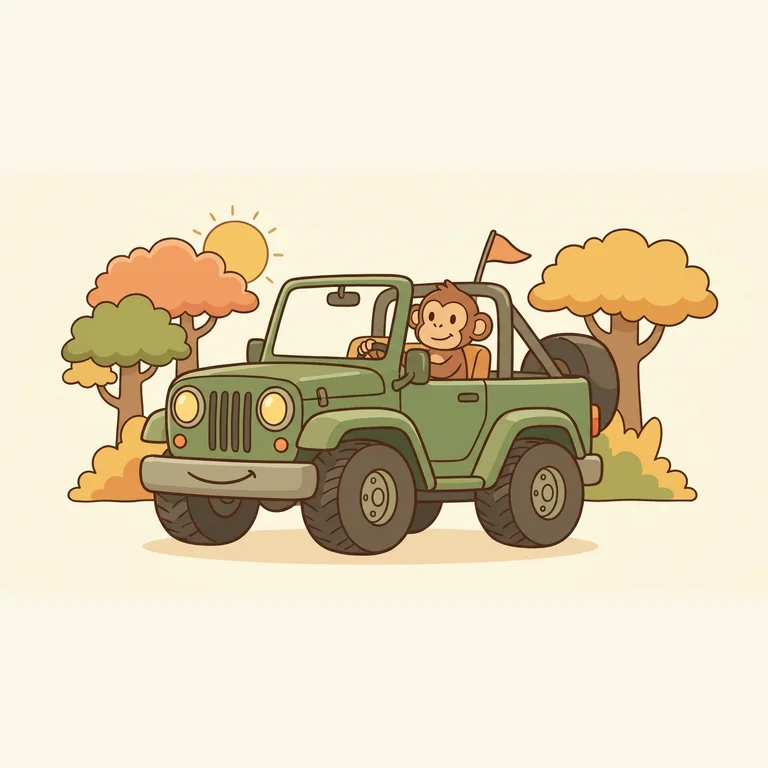
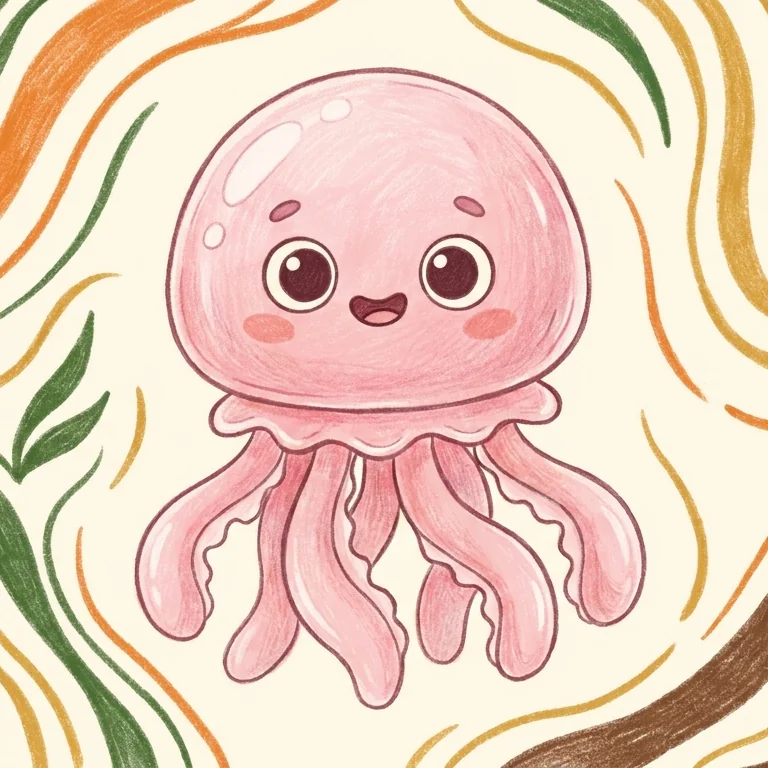



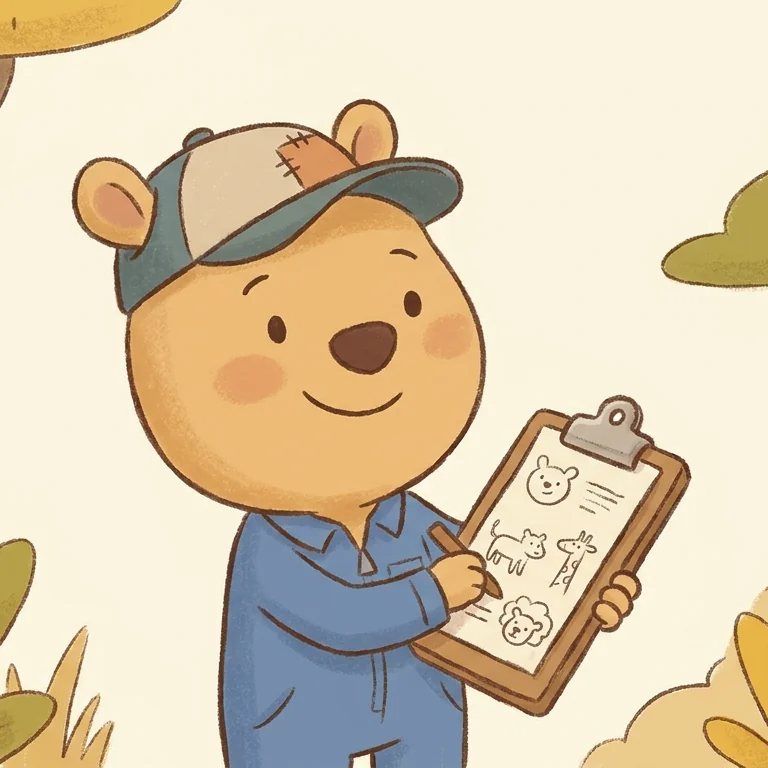
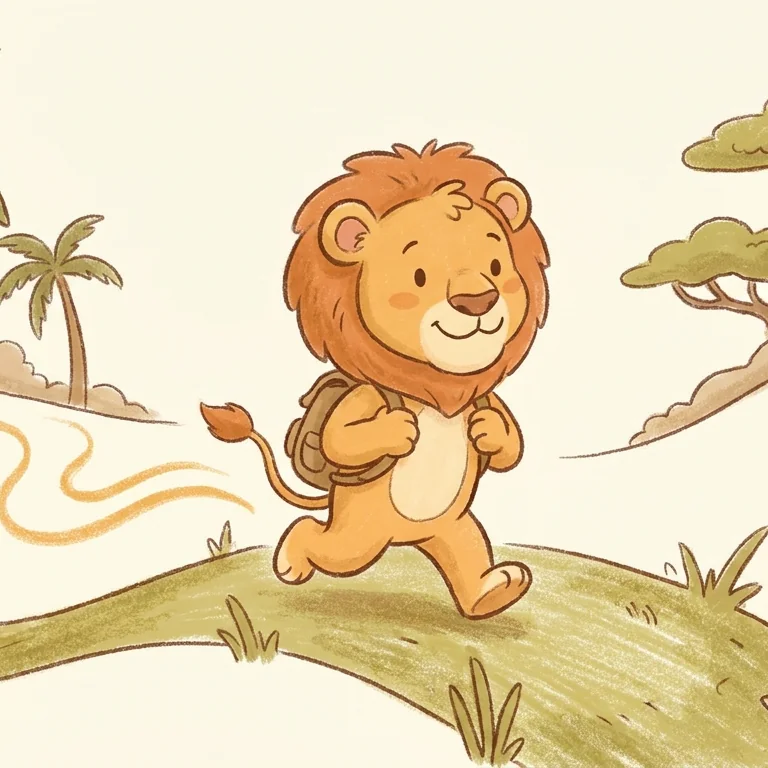
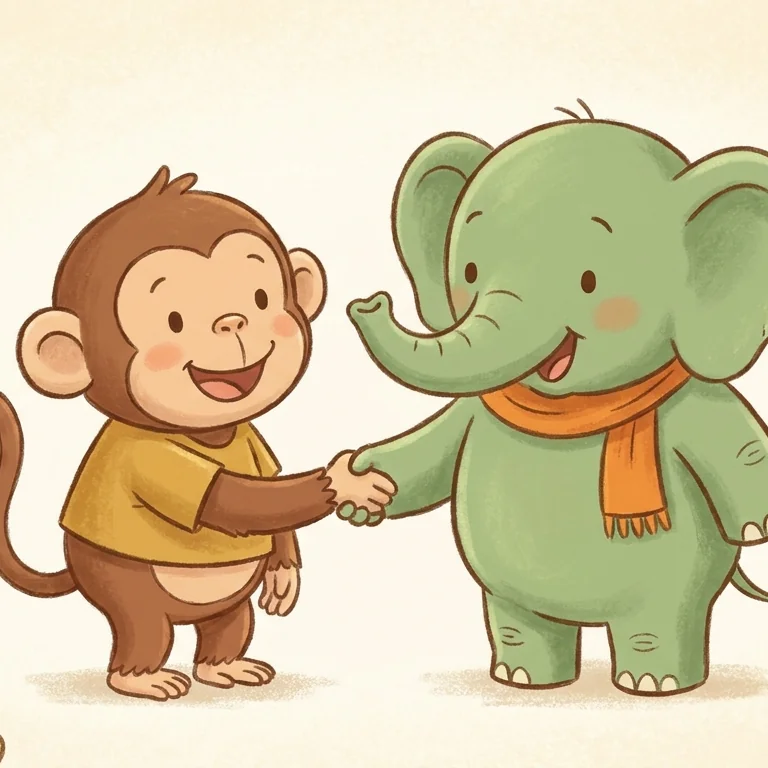

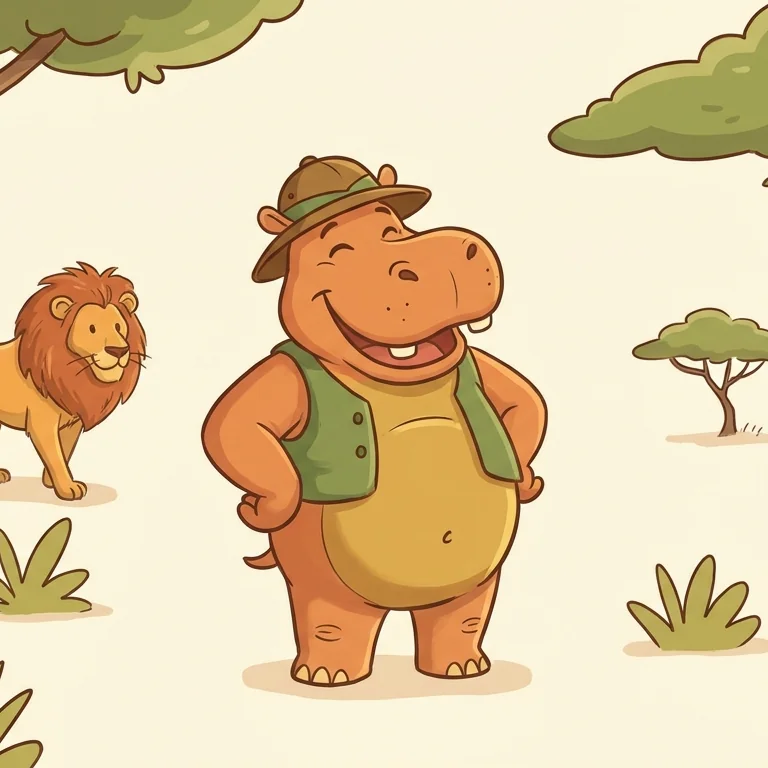
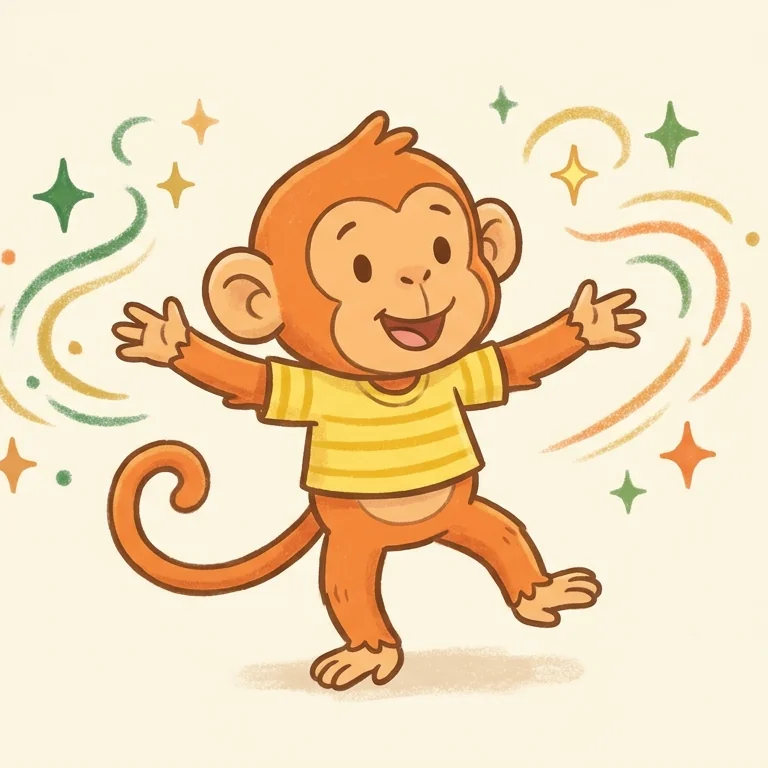








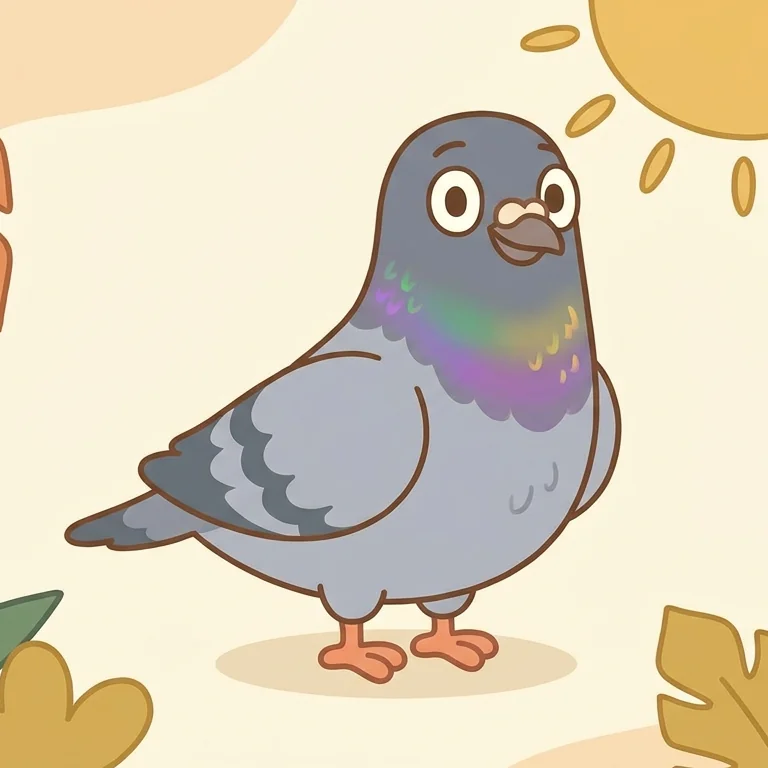

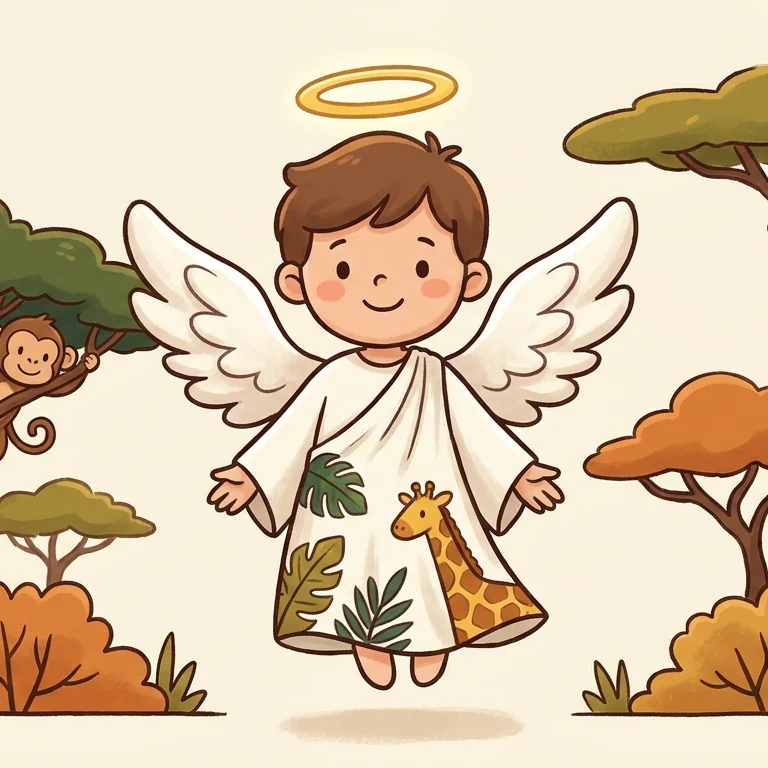
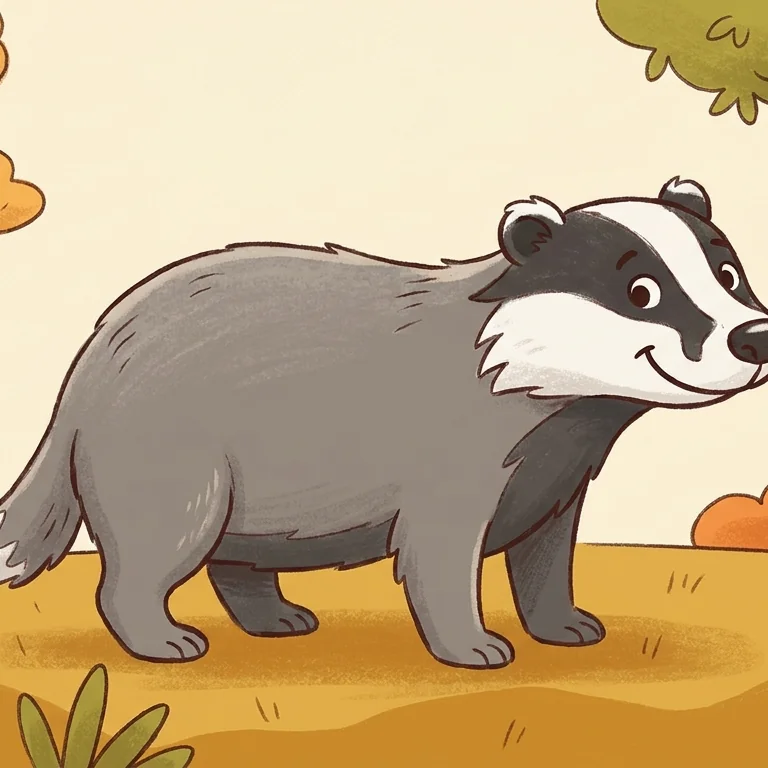
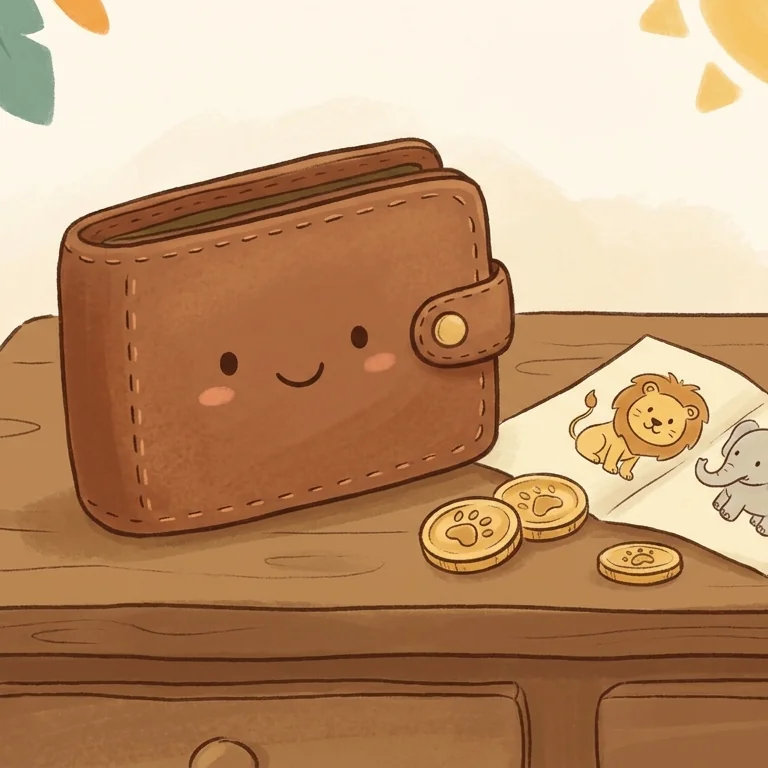







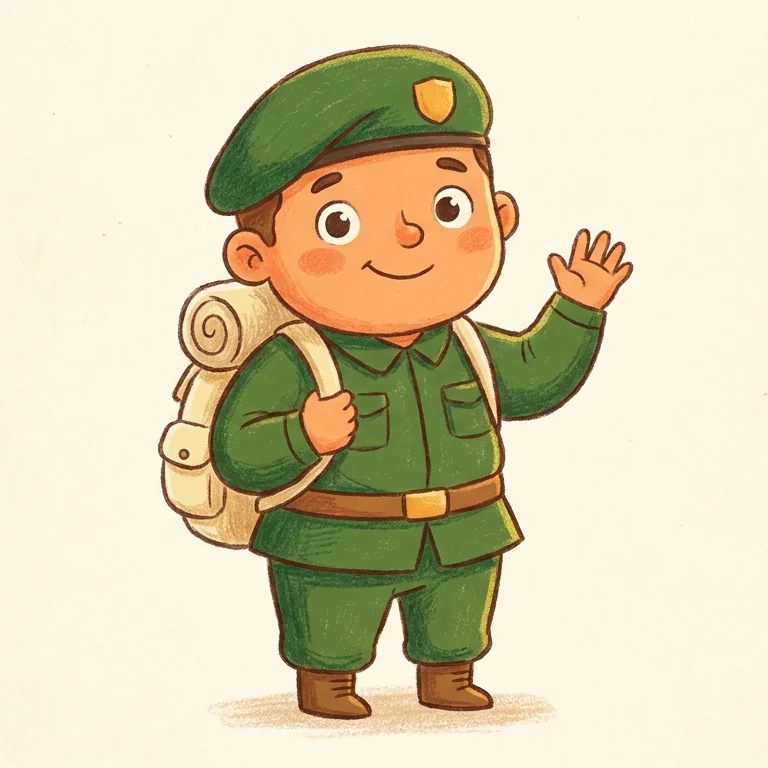


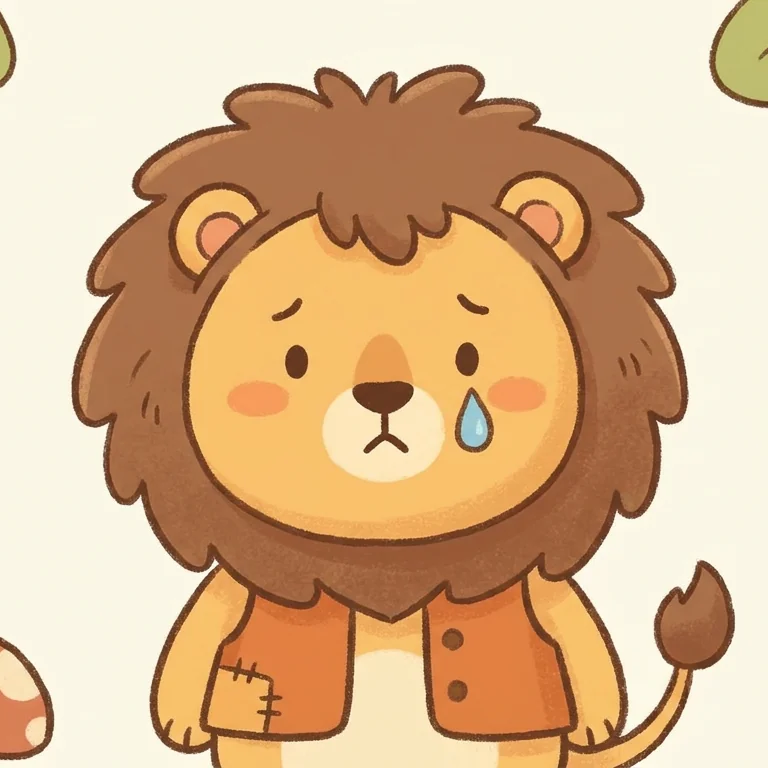

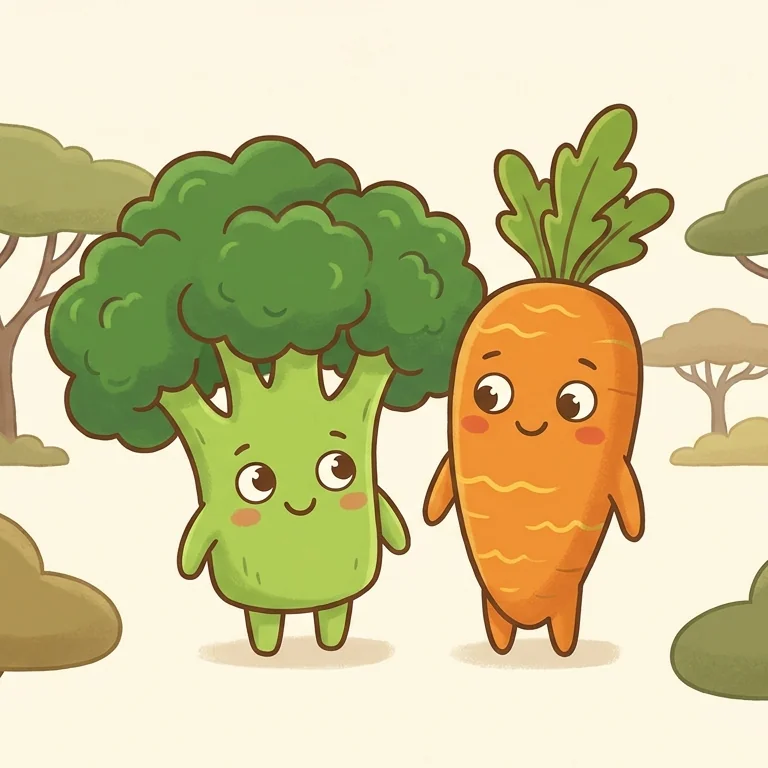

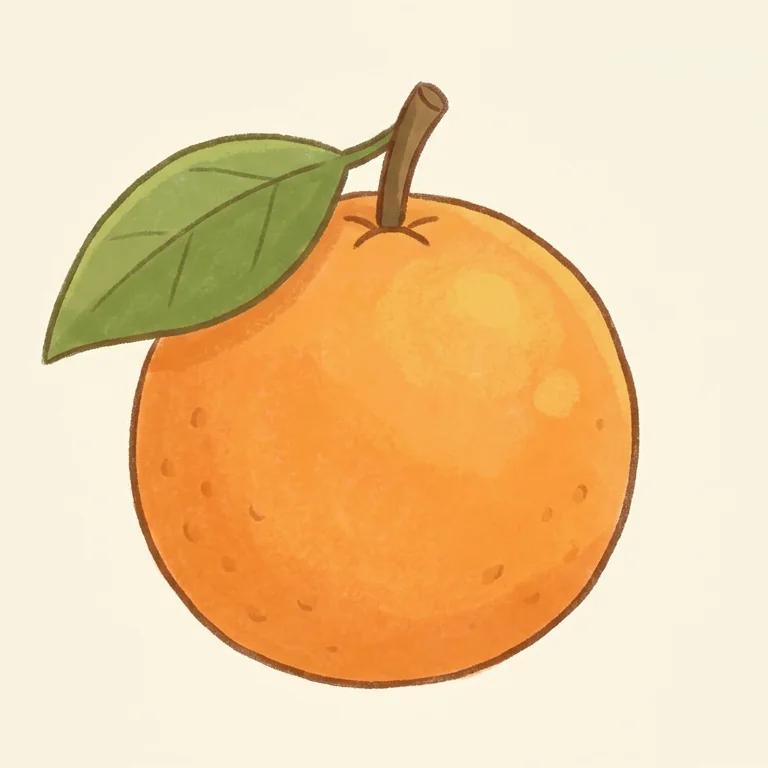











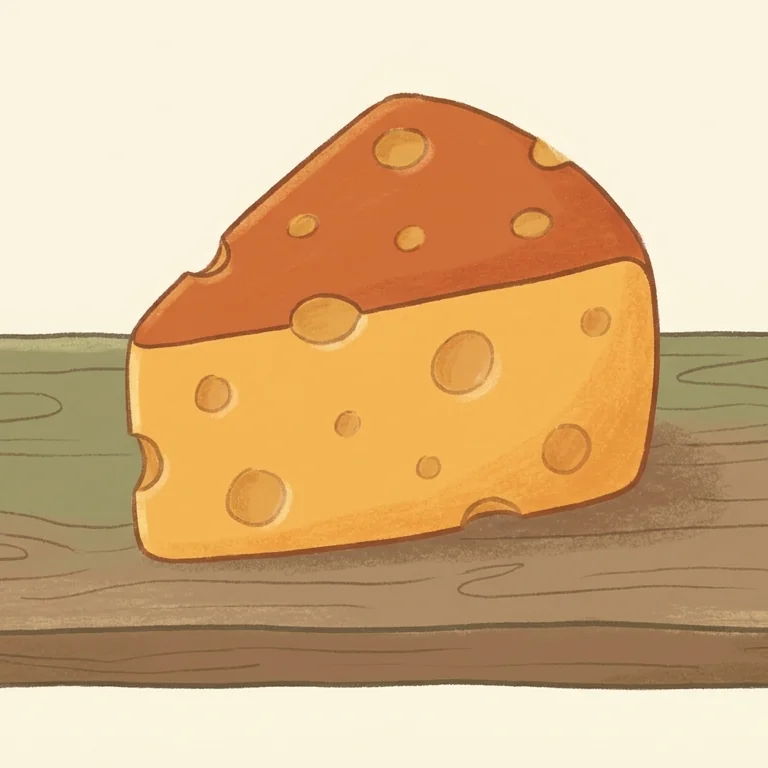
Minimal pairs differ by a single sound — the heart of phonological therapy. Tap a card to hear it, or tap “vs” to hear a pair back-to-back.

More /j/ minimal pairs — tap a contrast to explore
/j/ at the start · 7
/j/ at the end · 1
Most children produce /j/ correctly by age 5. About half can do it by age 3;6. /j/ develops alongside /ch/.
Yes — stopping (saying "d" for /j/), deaffrication (saying "zh"), and devoicing (saying /ch/) are all developmentally typical up to about age 4. If they persist past age 5, an SLP check-in is worthwhile.
/j/ is an affricate — a stop plus a fricative blended together — AND it's voiced. That's three things to coordinate at once. The timing has to be exact.
Build it from "d + zh" said slowly, watch lip rounding in a mirror, touch the throat to feel the buzz, and use contrast pairs like jet/chet to train voicing.
If /j/ is being replaced with /d/, /ch/, or /zh/ past age 5, see an SLP.
Yes — /j/ responds well to direct instruction at any age, especially when /ch/ is already in place.
Sounds that pair, contrast, or are commonly confused with /j/.
 Tap on iPhone or iPad