Sound Safari
Speech Sound Guide
The H Sound: Norms, Challenges & Word Lists
The /h/ sound typically develops by age 3. This guide covers when /h/ develops, what typically goes wrong, simple ways to practice it, and over 60 /h/ words organized by position.
When should a child say /h/?
Developmental norms — when the /h/ sound typically emerges and is mastered.
Source: McLeod & Crowe (2018); Crowe & McLeod (2020), AJSLP.
A child still substituting or distorting /h/ after age 3 is a good candidate for a speech-language evaluation — earlier if they're hard to understand or frustrated.
Find out where /h/ stands — in 5 minutes
Sound Safari's 24-sound screener checks against the McLeod & Crowe norms above.
Common challenges with /h/
What typically goes wrong — and whether it's age-appropriate.
The /h/ sound is rarely a source of articulation errors on its own.
How to practice the /h/ sound
Practical starting points for parents and SLPs. Always follow your SLP's plan if your child is in therapy.
- 1 Breathe out gently. /h/ is just a small puff of breath — no tongue, no lips, just air coming out of an open mouth. Have the child blow gently like fogging up a mirror.
- 2 Open mouth, relaxed jaw. Keep the mouth open and jaw relaxed. /h/ doesn't need any specific tongue or lip position — the simpler, the better.
- 3 Practice with vowels. Attach /h/ to short vowels: "h-ah", "h-ee", "h-oh". Then full words: "hat", "hop", "hi".
- 4 Make it warm, not loud. /h/ is quiet and warm, like the start of a laugh. It shouldn't be a forced cough or a hard sound.
- 5 Final or initial only. In English, /h/ appears at the start of syllables ("hat", "hello"), almost never at the end. Focus practice on initial position.
/h/ word lists by position over 60 words
Every word from the Sound Safari practice library. The /h/ in each word is bolded.
Initial — /h/ at the start of the word (30)
-

house hows -
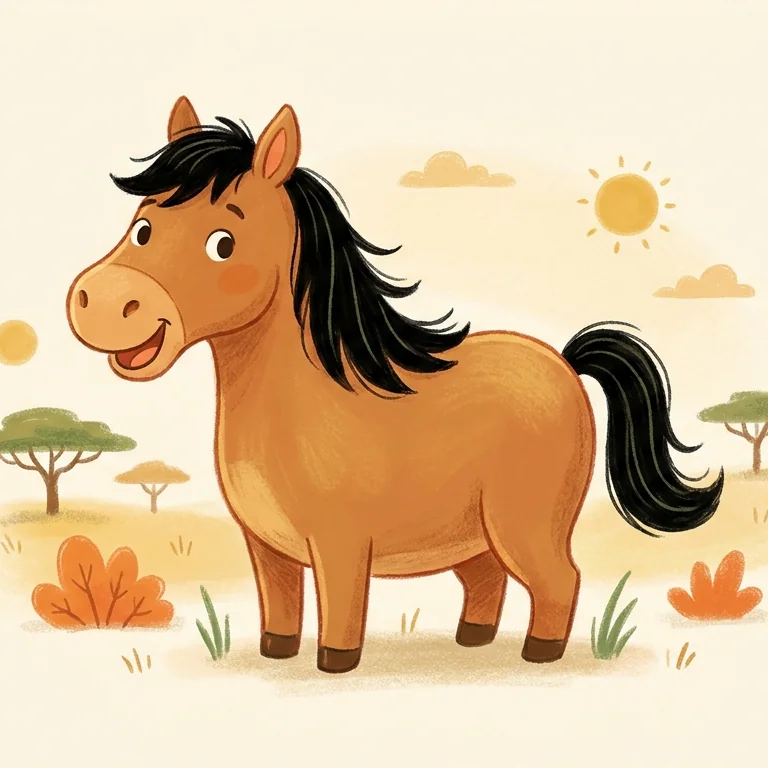
horse hors -

heart hart -

hamburger ham-bur-ger -
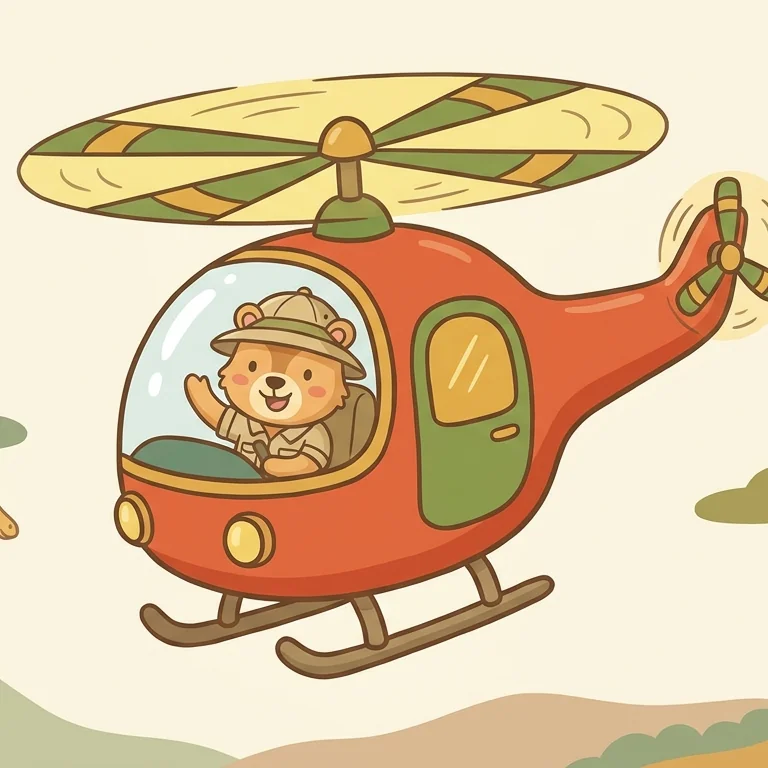
helicopter hel-i-kop-ter -

happy hap-ee -

hat hat -
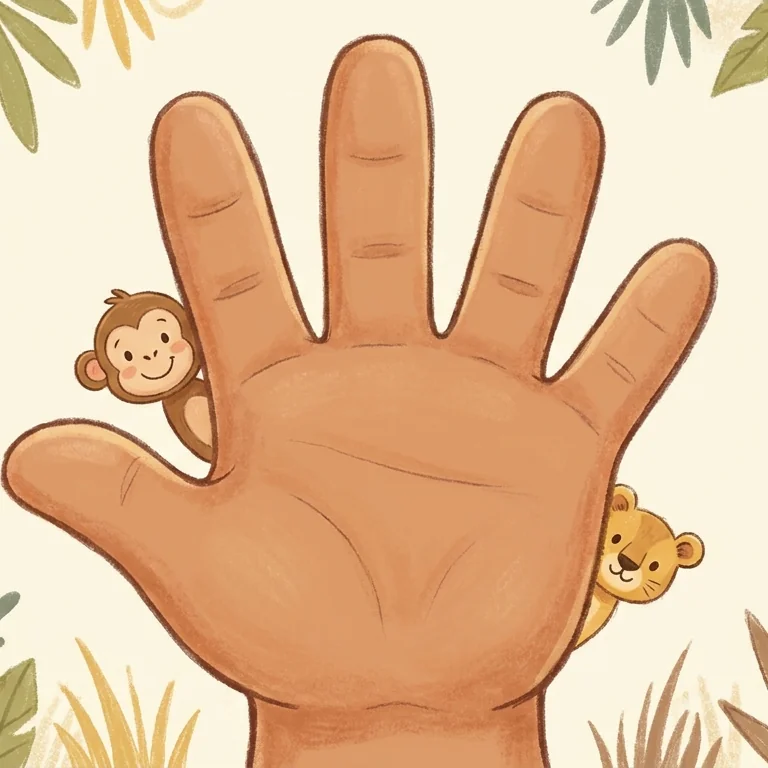
hand hand -

hair hair -
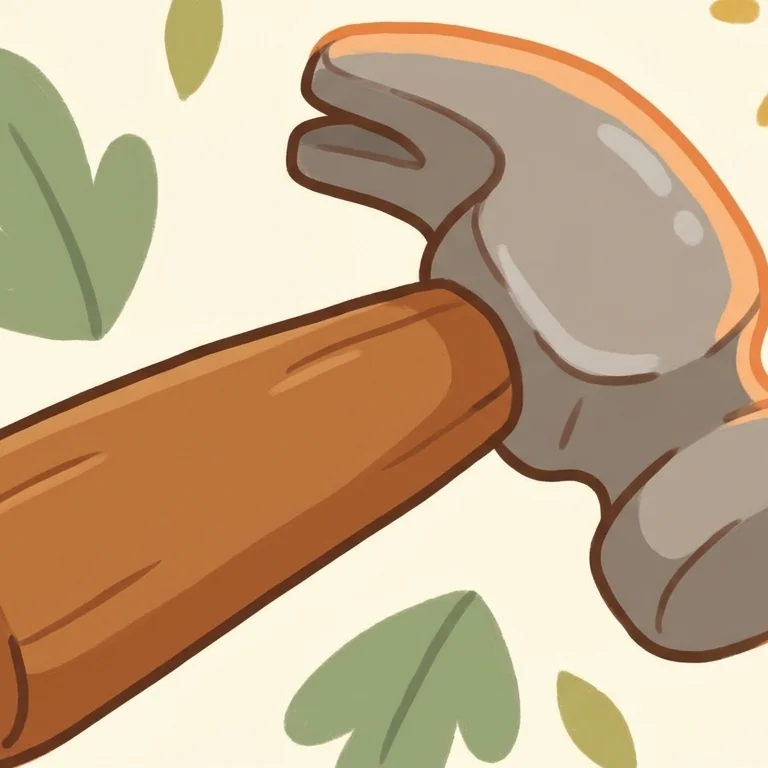
hammer ham-er -
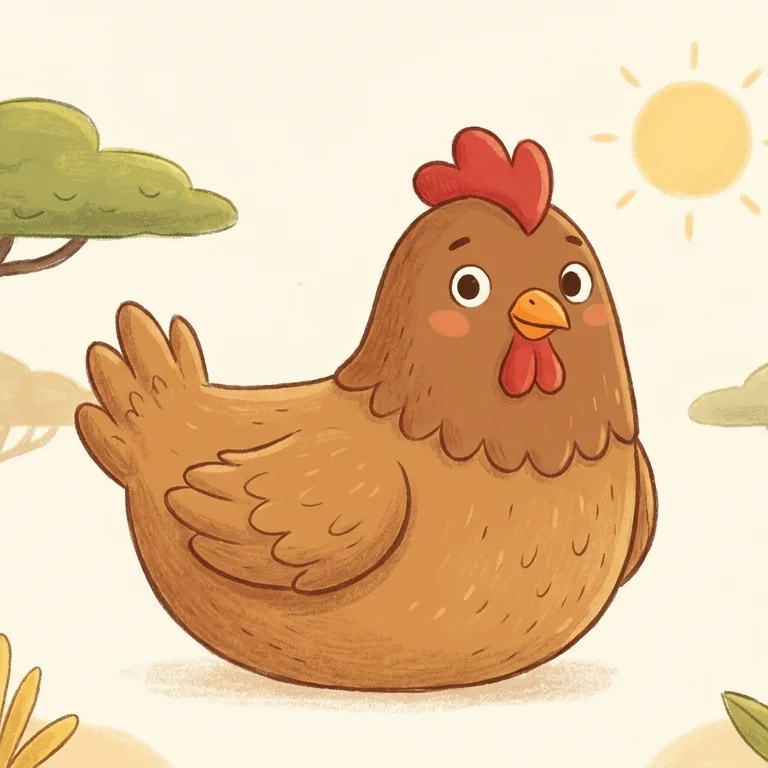
hen hen -

help help -
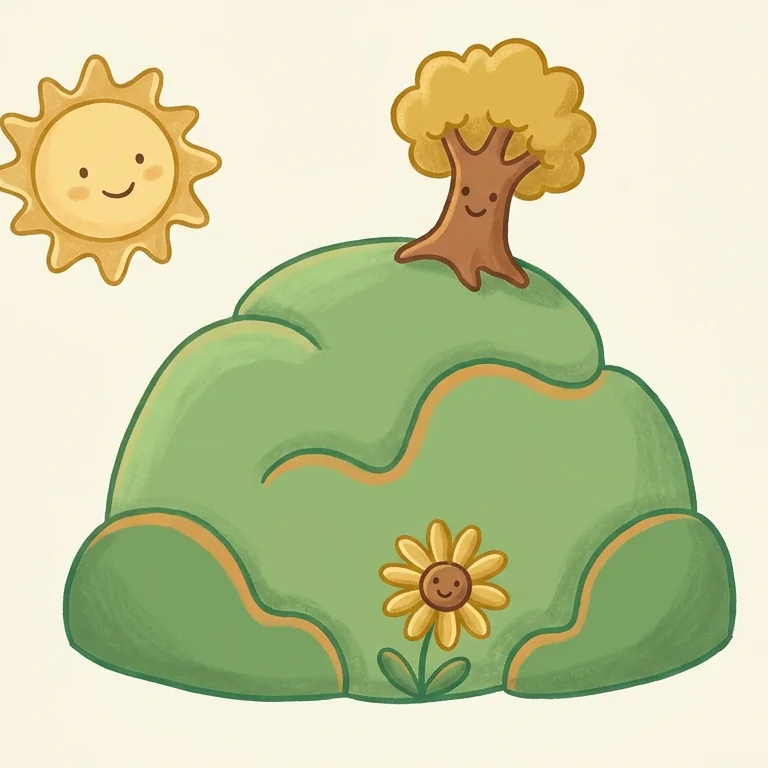
hill hil -
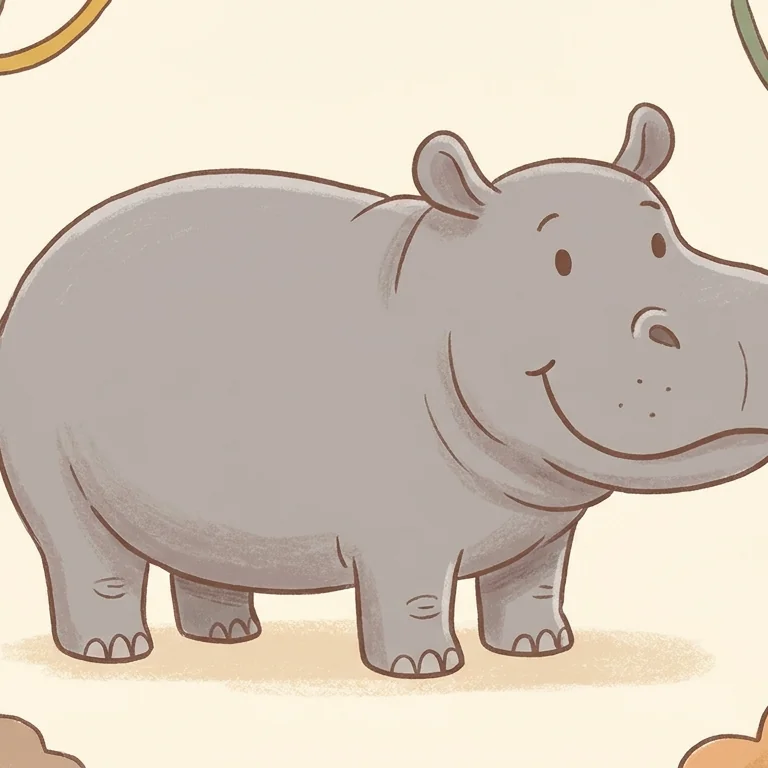
hippo hip-oh -
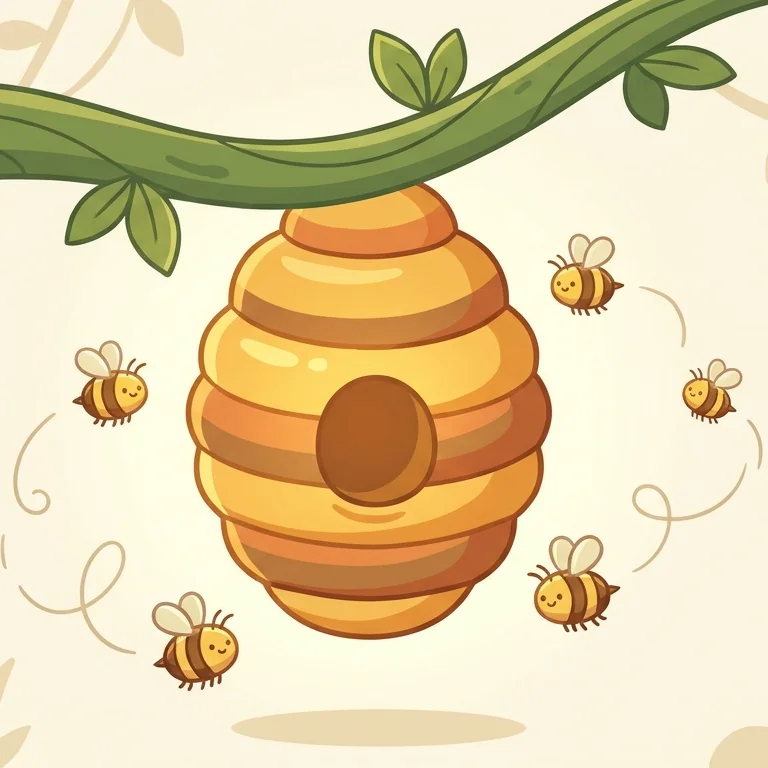
hive hyv -
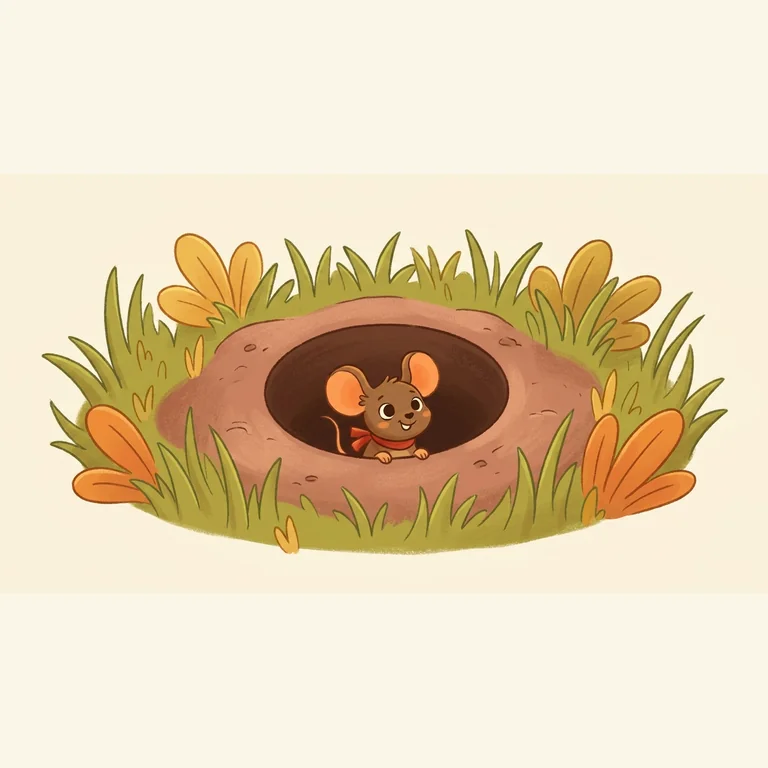
hole hohl -
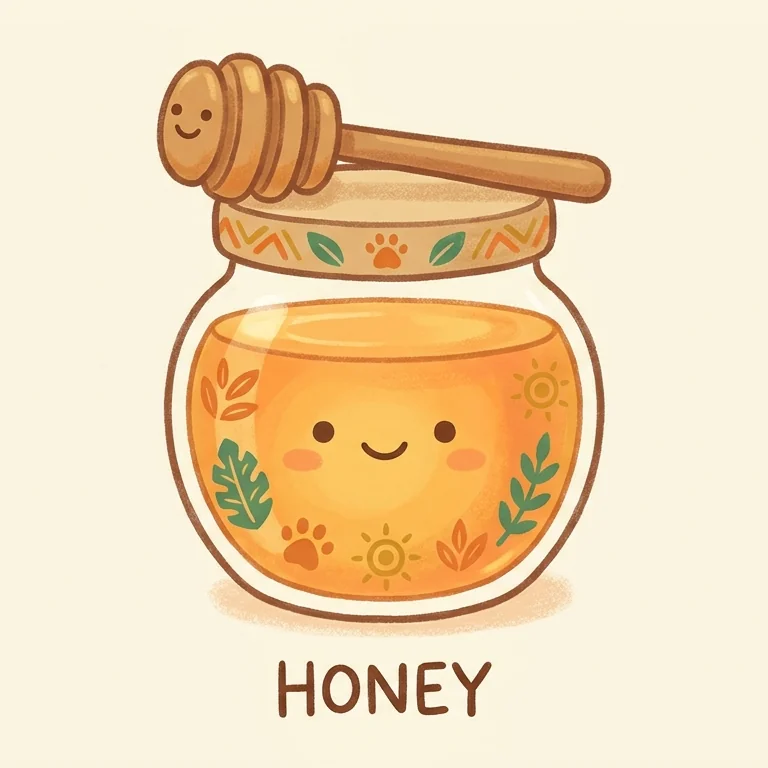
honey hun-ee -
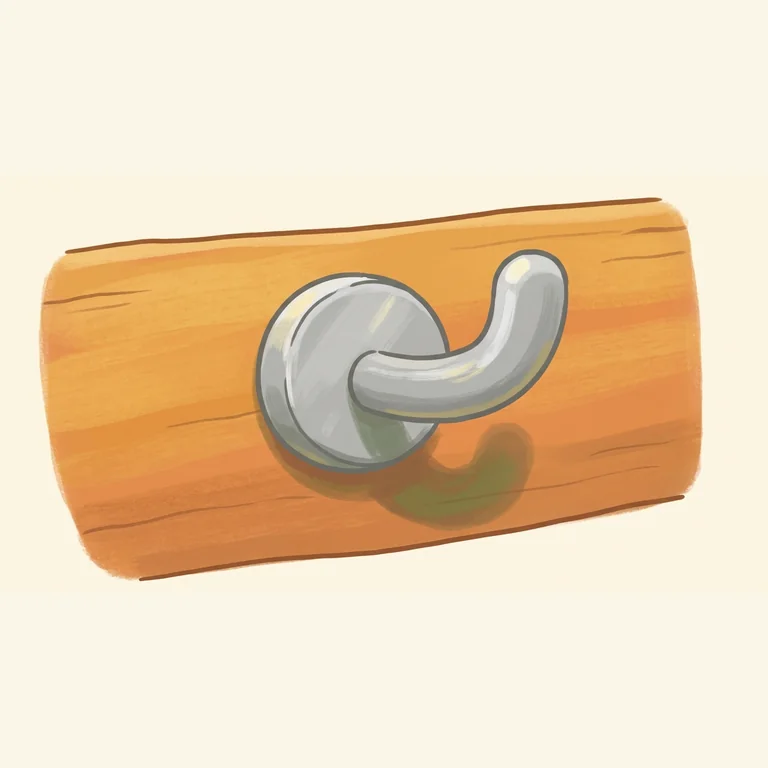
hook hook -
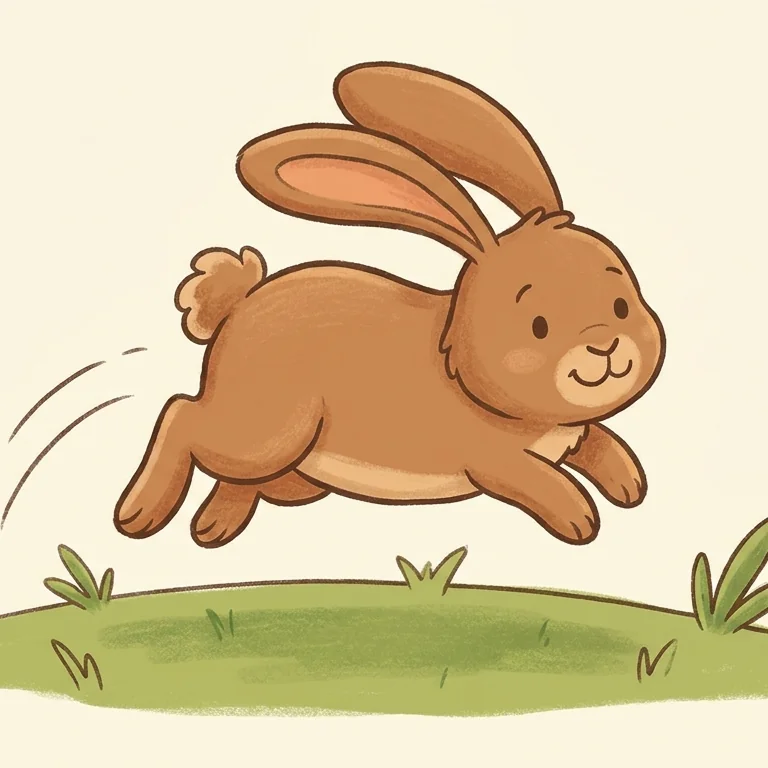
hop hop -
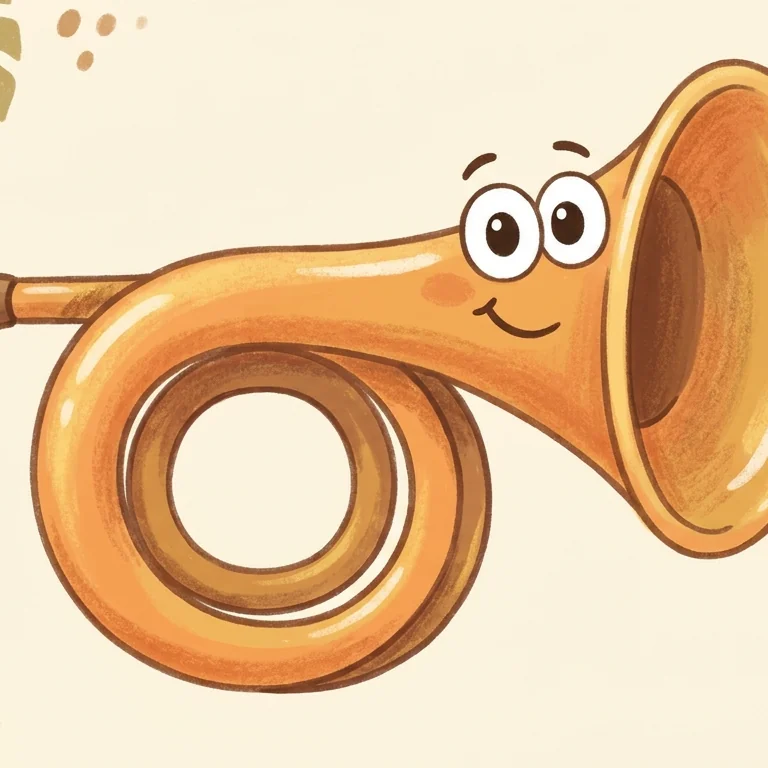
horn horn -

hot hot -
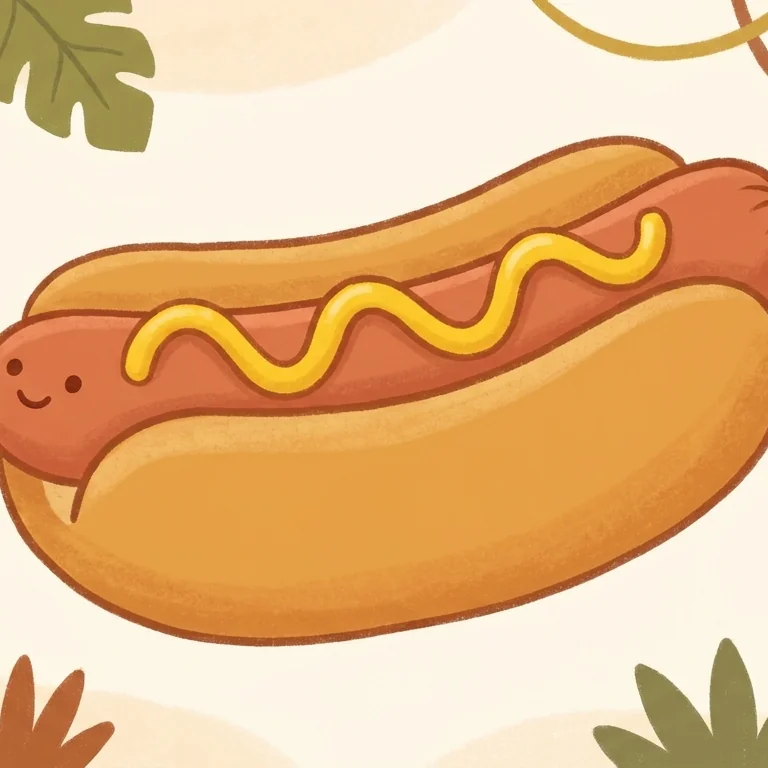
hotdog hot-dog -

hug hug -

huge hyooj -
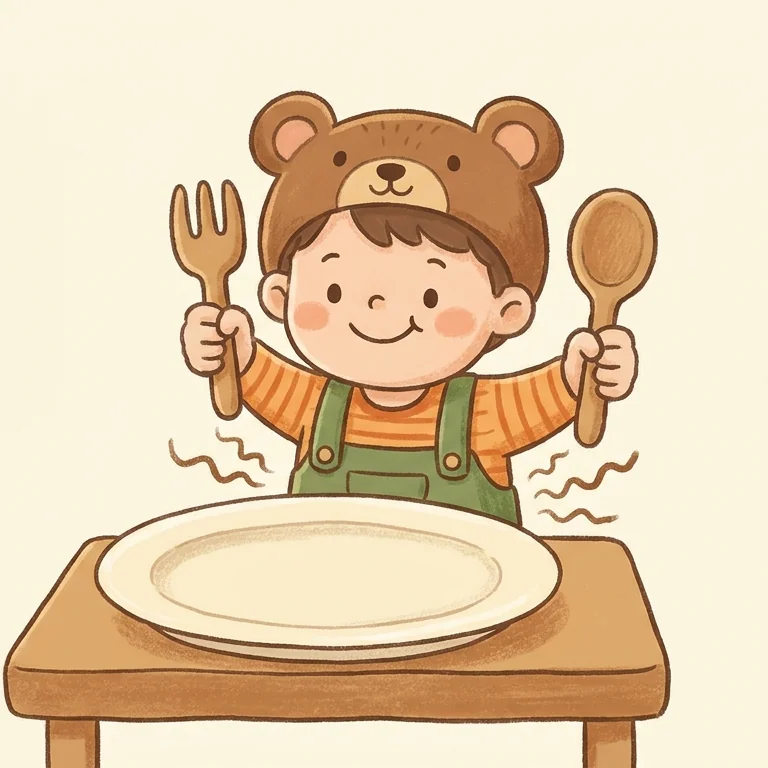
hungry hun-gree -
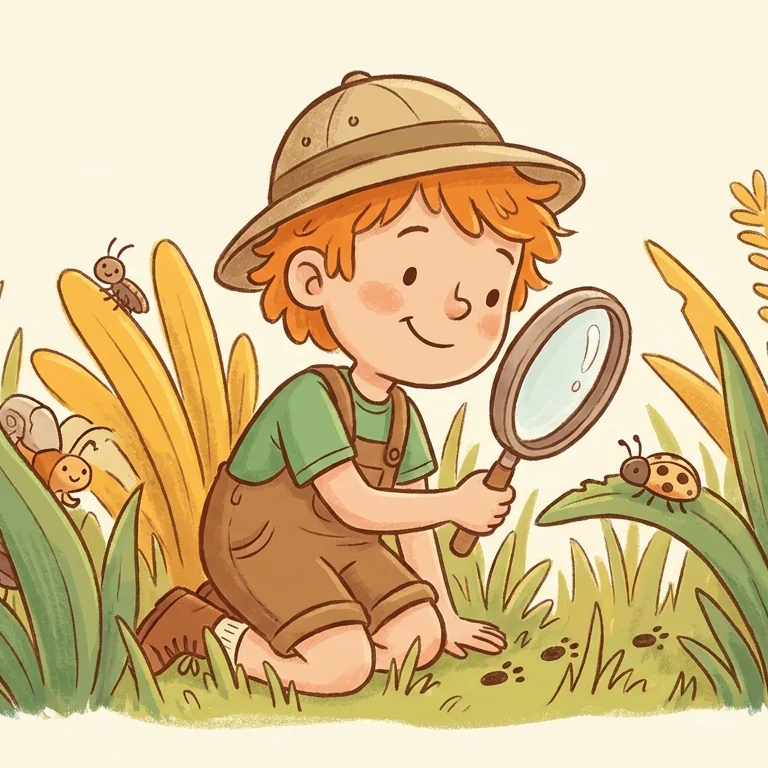
hunt hunt -
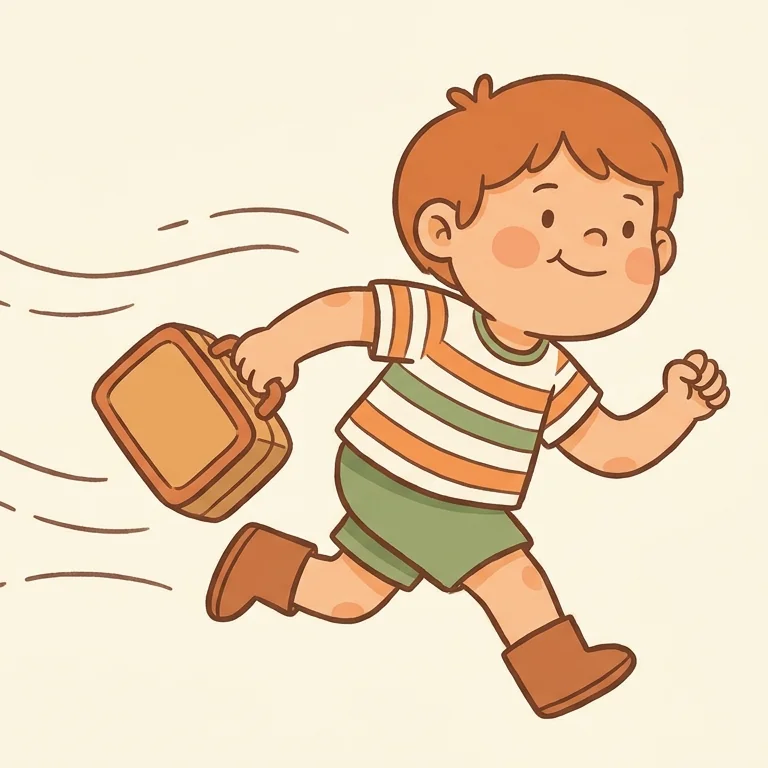
hurry hur-ee -

hero heer-oh -
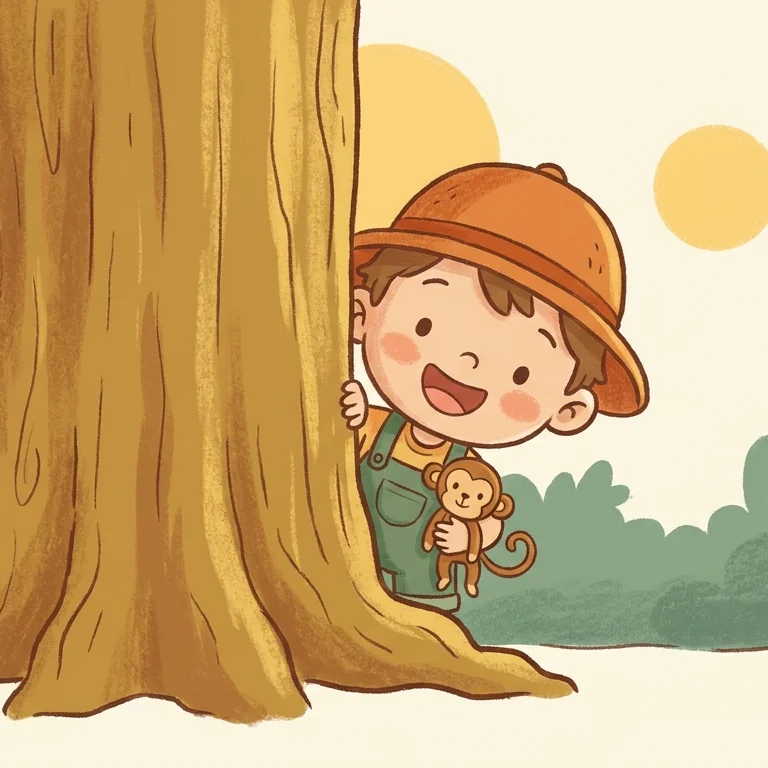
hide hyd -
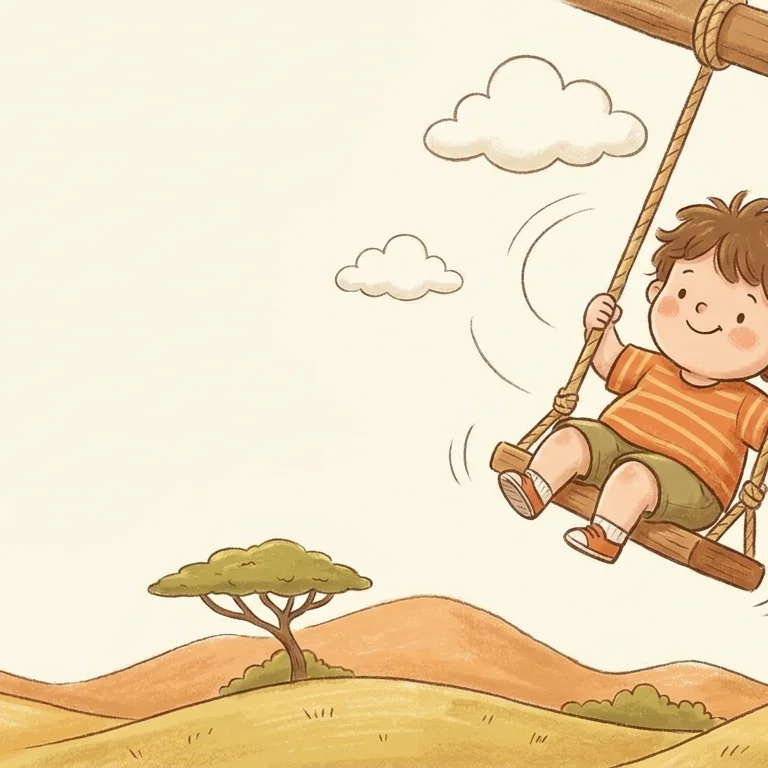
high hy
Medial — /h/ in the middle of the word (30)
-

behind bee-hynd -
ahead uh-hed -
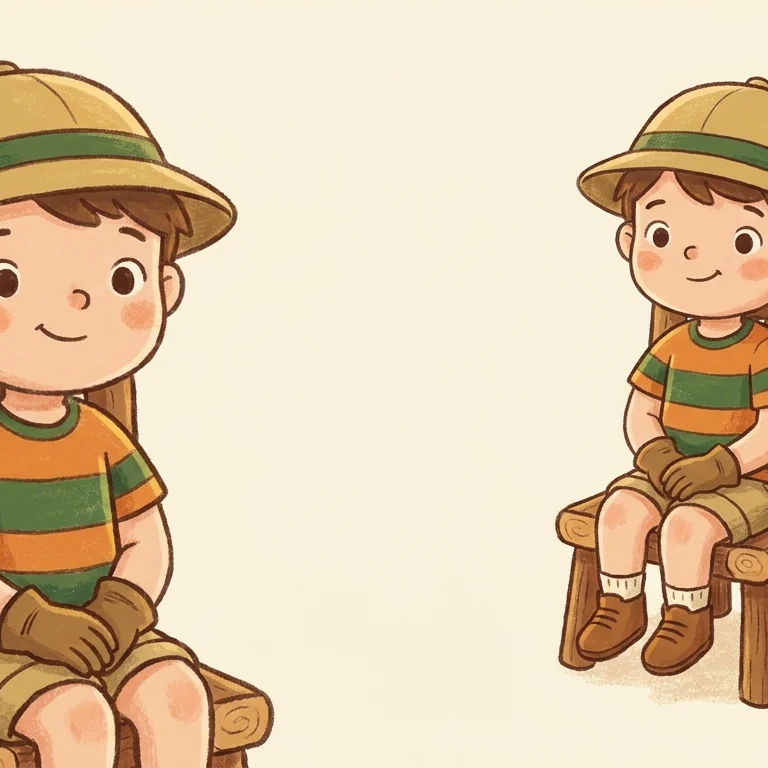
behave bee-hayv -
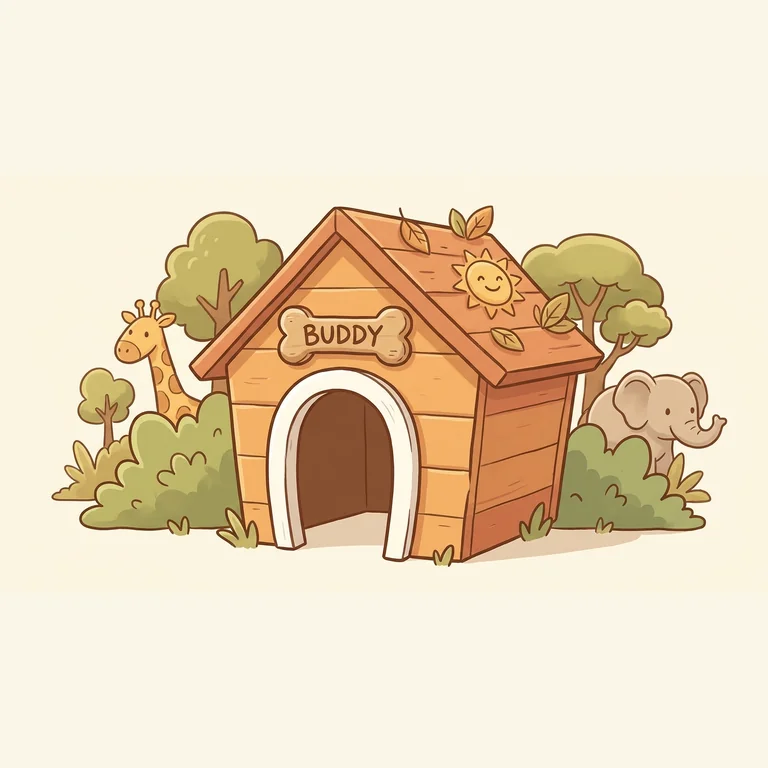
doghouse dog-hows -

treehouse tree-hows -
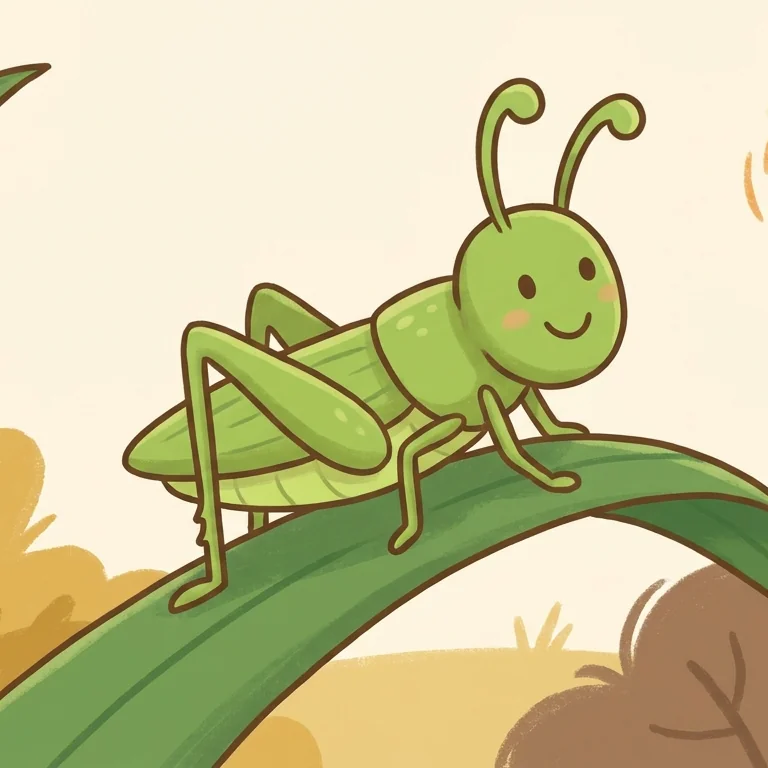
grasshopper gras-hop-er -
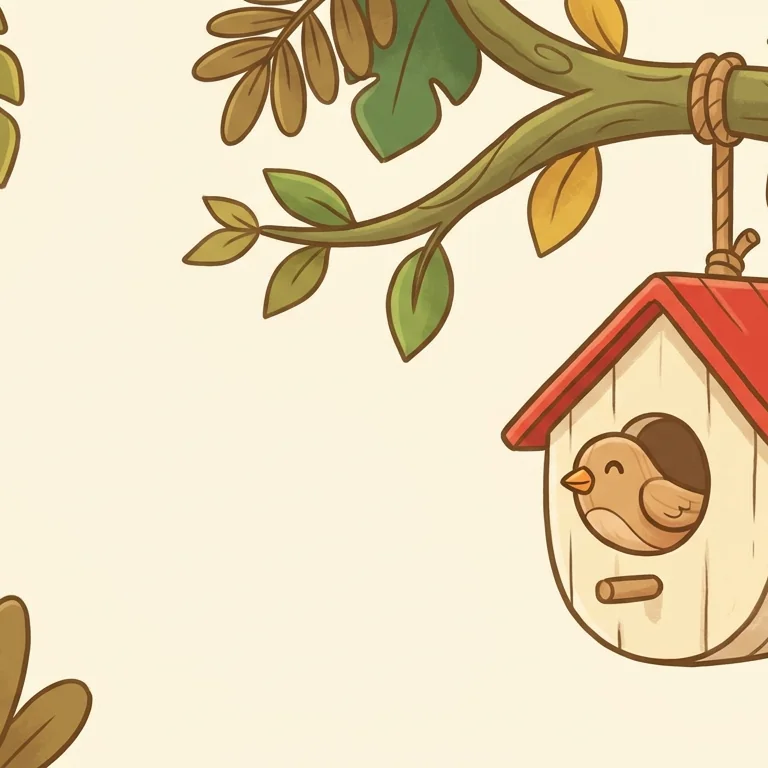
birdhouse bird-hows -
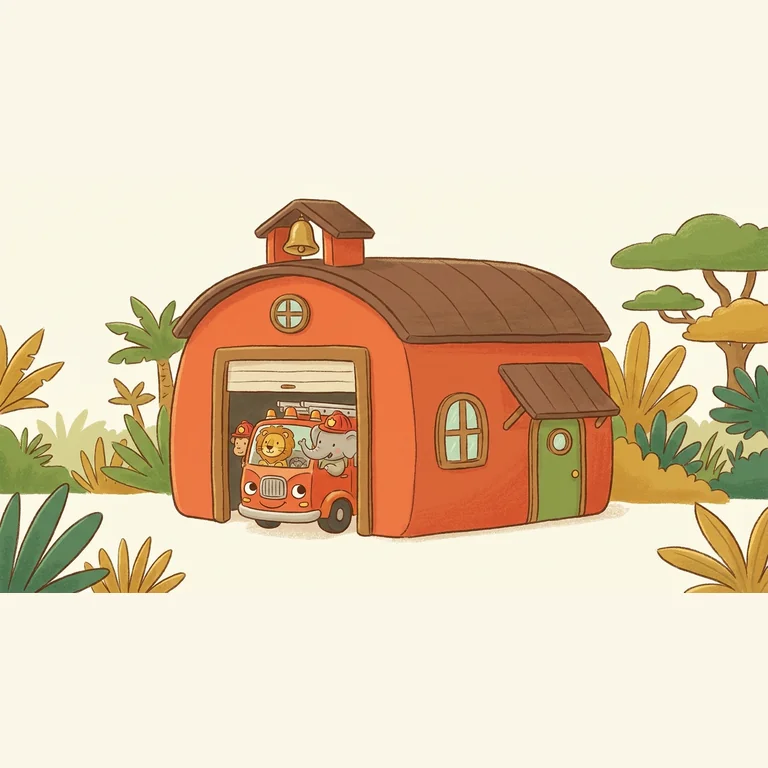
firehouse fyr-hows -

farmhouse farm-hows -

lighthouse lyt-hows -
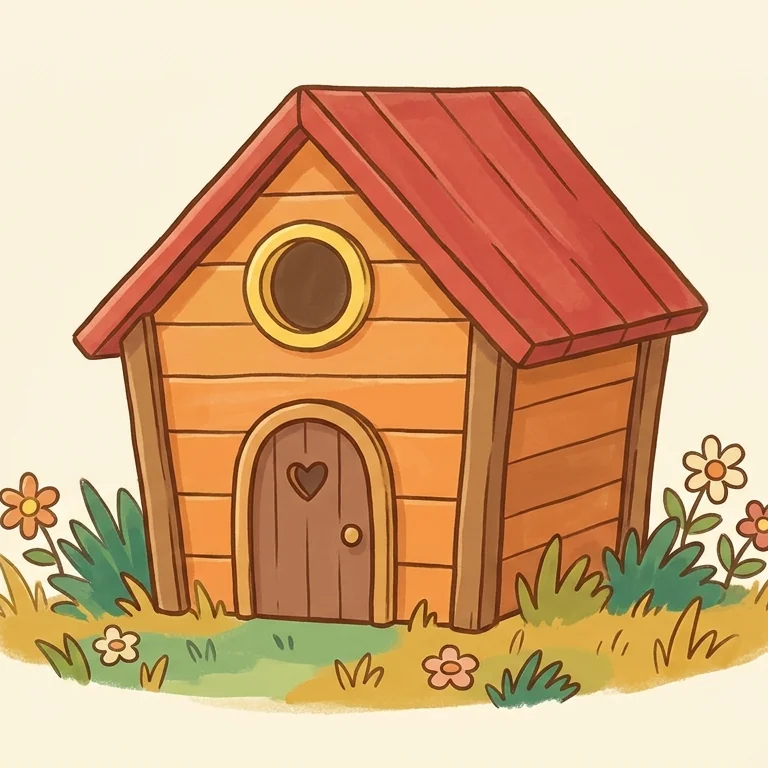
playhouse play-hows -
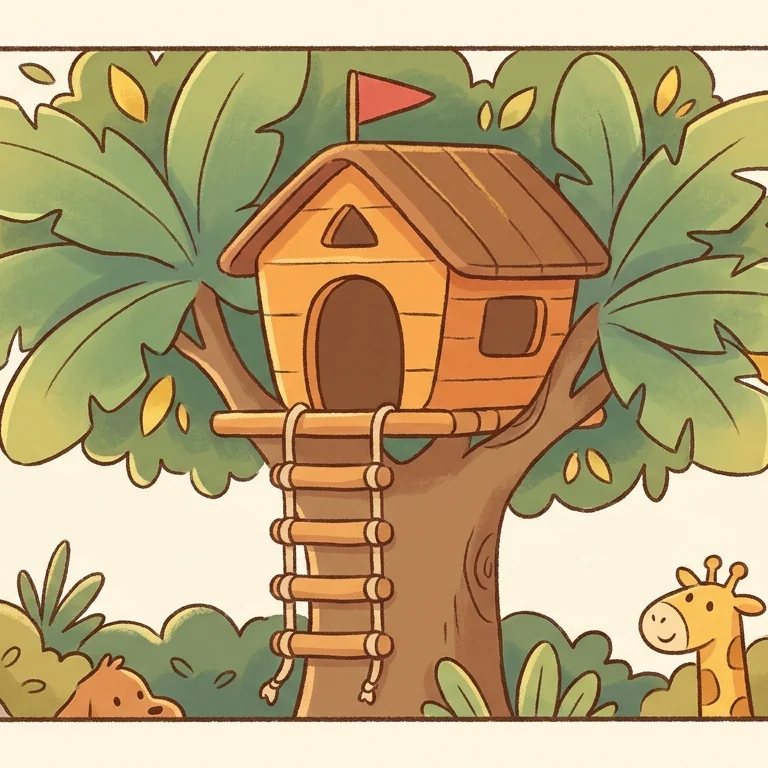
clubhouse klub-hows -
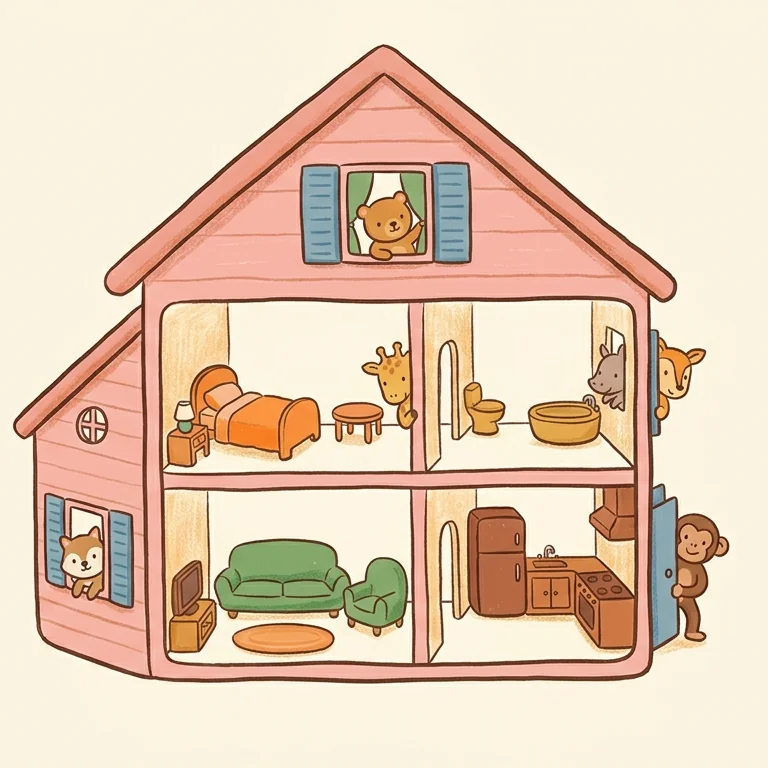
dollhouse dol-hows -

greenhouse green-hows -
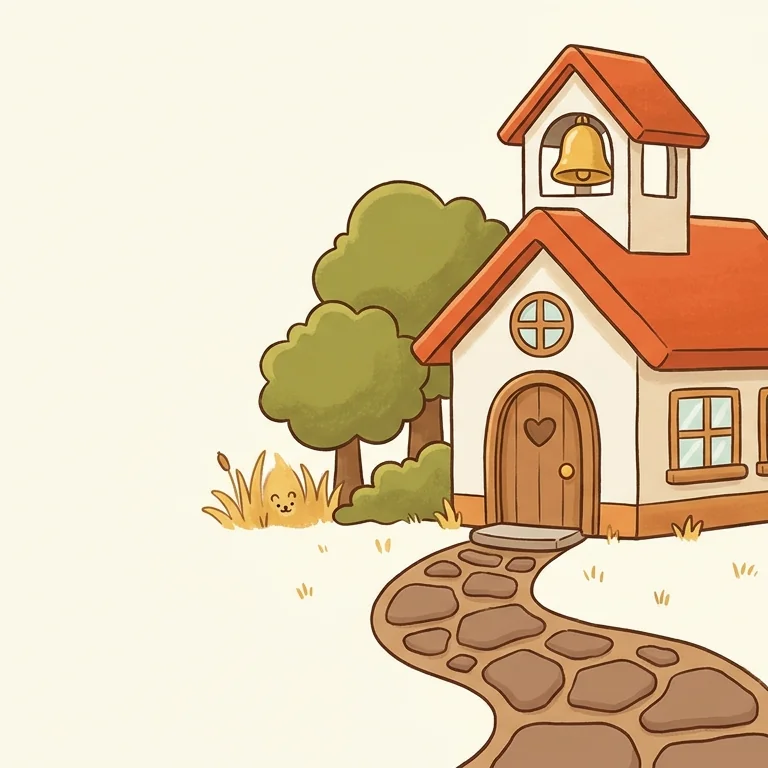
schoolhouse skool-hows -

powerhouse pow-er-hows -

penthouse pent-hows -

warehouse wair-hows -

icehouse ys-hows -
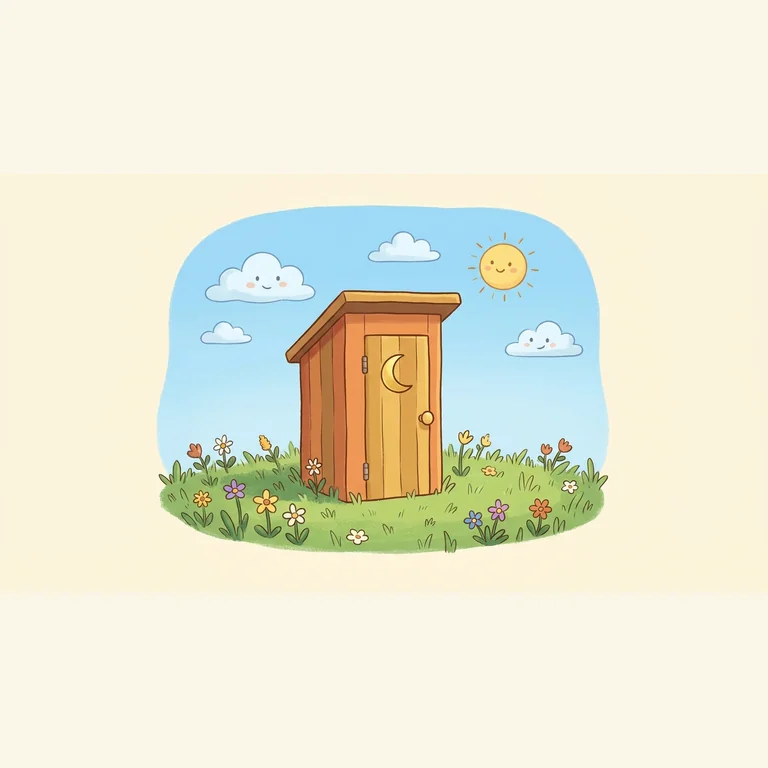
outhouse owt-hows -
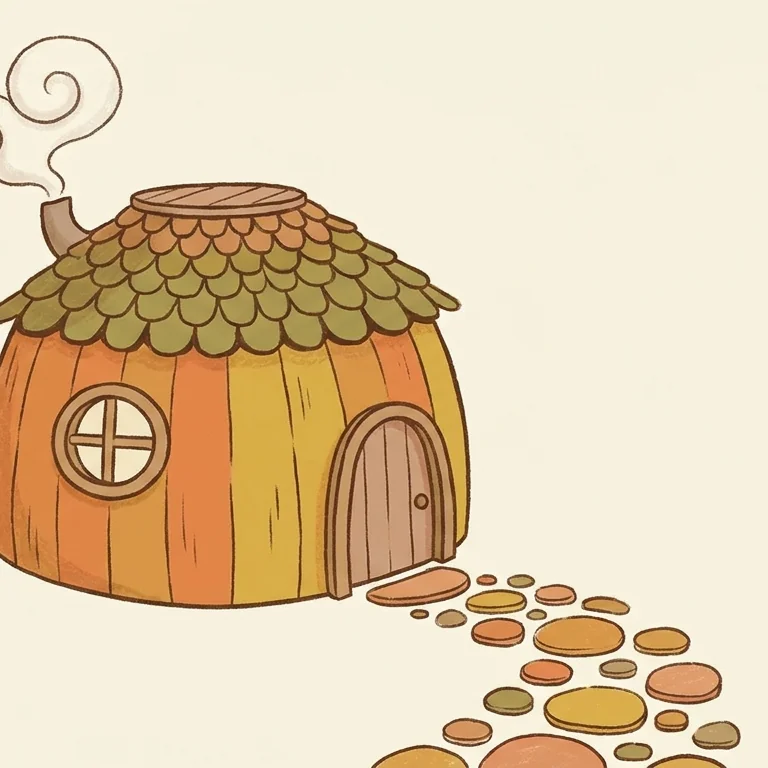
bathhouse bath-hows -
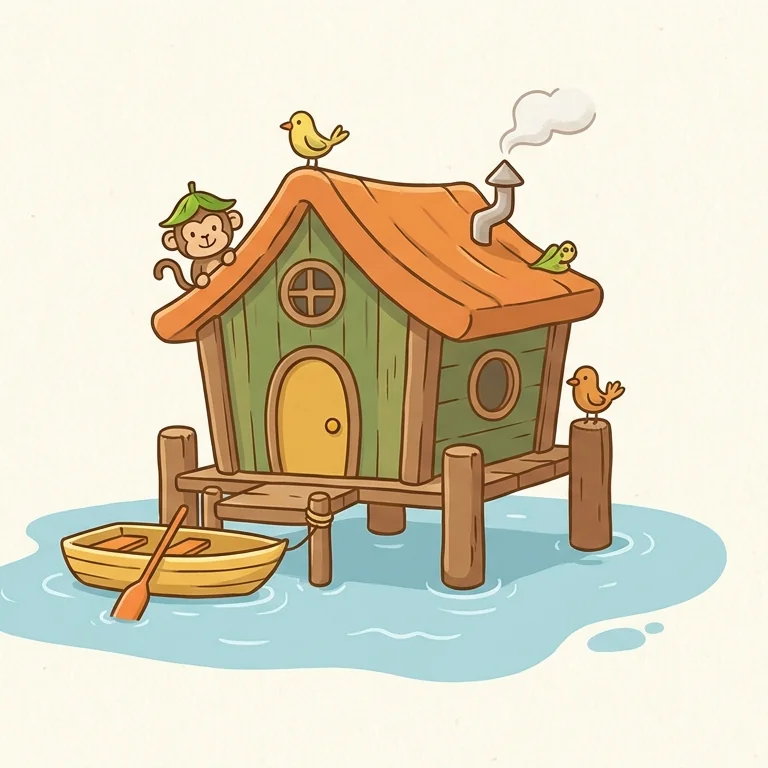
boathouse boht-hows -

roadhouse rohd-hows -

gatehouse gayt-hows -
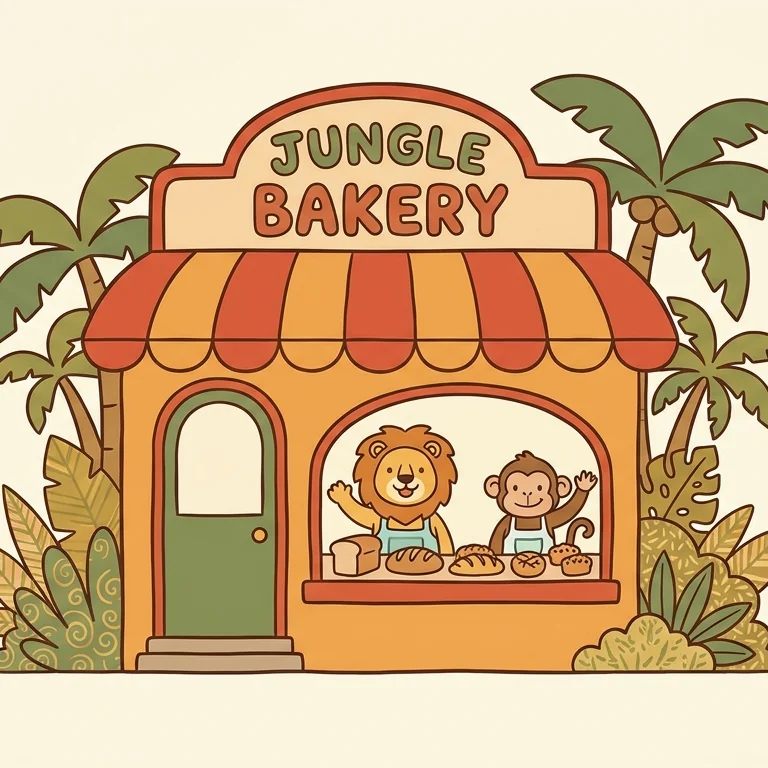
bakehouse bayk-hows -

jailhouse jayl-hows -
guesthouse gest-hows -

roundhouse rownd-hows -
poorhouse poor-hows -
cookhouse kook-hows
Minimal pairs for /h/
Minimal pairs differ by a single sound — the heart of phonological therapy. Tap a card to hear it, or tap “vs” to hear a pair back-to-back.
- Hat
 Bat
Bat - Hook
 Book
Book - Honey
 Bunny
Bunny
More /h/ minimal pairs — tap a contrast to explore
- half calf
- handy candy
- hard card
- hat cat
- hatch catch
- hatching catching
- have cave
- hit kit
- hook cook
- hopper copper
- horn corn
- hot cot
- hover cover
- hub cub
- huff cuff
- humming coming
- hurry curry
/h/ sound — frequently asked questions
At what age should my child say the /h/ sound? +
Most children produce /h/ correctly by age 3. About half can do it by age 2. /h/ is one of the earliest sounds to develop.
Is it normal for my child to drop /h/? +
Dropping /h/ ("at" for "hat") is common in early speech but should resolve by age 3. If it persists, talk to an SLP.
Why is the /h/ sound usually easy? +
/h/ is just breath — no tongue or lip movement required. It's one of the simplest sounds to produce.
How can I help my child practice /h/ at home? +
Have them blow gently like fogging a mirror, then add a vowel: "h-ah, h-ee, h-oh". Practice with words like "hat", "hop", "happy".
When should we see a speech therapist about /h/? +
If /h/ is being dropped or substituted past age 3, or if your child sounds breathy in general, see an SLP.
Can older children and adults still correct /h/? +
Yes — /h/ is highly treatable at any age, though it rarely needs correction at older stages.
Related sounds
Sounds that pair, contrast, or are commonly confused with /h/.