Sound Safari
Speech Sound Guide
The W Sound: Norms, Challenges & Word Lists
The /w/ sound typically develops by age 3. This guide covers when /w/ develops, what typically goes wrong, simple ways to practice it, and over 50 /w/ words organized by position.
When should a child say /w/?
Developmental norms — when the /w/ sound typically emerges and is mastered.
Source: McLeod & Crowe (2018); Crowe & McLeod (2020), AJSLP.
A child still substituting or distorting /w/ after age 3 is a good candidate for a speech-language evaluation — earlier if they're hard to understand or frustrated.
Find out where /w/ stands — in 5 minutes
Sound Safari's 24-sound screener checks against the McLeod & Crowe norms above.
Common challenges with /w/
What typically goes wrong — and whether it's age-appropriate.
The /w/ sound is rarely a source of articulation errors on its own.
How to practice the /w/ sound
Practical starting points for parents and SLPs. Always follow your SLP's plan if your child is in therapy.
- 1 Round the lips, then open. /w/ starts with rounded lips (like saying "oo") and quickly opens into the next vowel. Watch in a mirror so the child sees the rounding.
- 2 From "oo" to /w/. Have your child say "oo" with rounded lips, then slide into "ah" — "oo-ah" becomes "wah". That's exactly /w/.
- 3 Smooth and quick. /w/ is a glide — it slides from one position into the next. Don't hold it; let it move smoothly into the vowel.
- 4 Practice with vowels. Attach /w/ to vowels: "w-ah", "w-ee", "w-oh", then full words "wet", "web", "wig".
- 5 Lip-shape, not lip-pop. /w/ is about lip ROUNDING, not lip closure. Lips should not fully meet (that would make /b/ or /p/).
/w/ word lists by position over 50 words
Every word from the Sound Safari practice library. The /w/ in each word is bolded.
Initial — /w/ at the start of the word (29)
-

water wah-ter -

whale wayl -
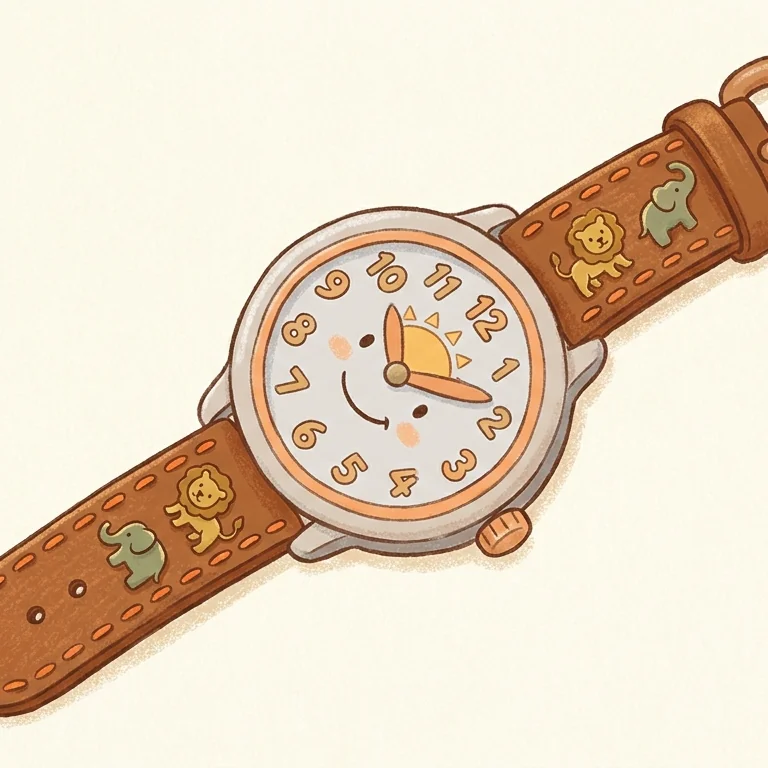
watch woch -

watermelon wah-ter-mel-un -

window win-doh -
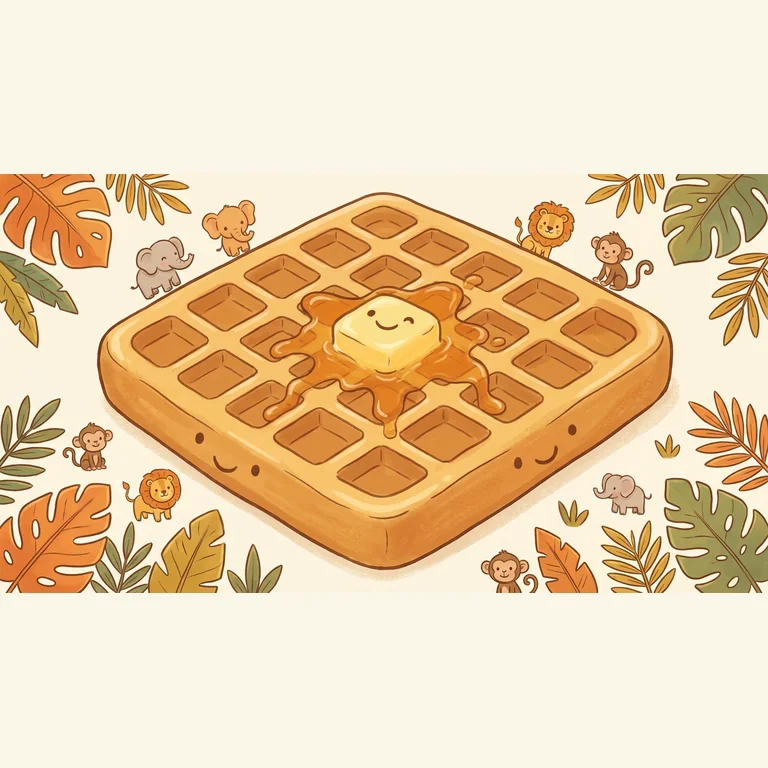
waffle wof-ul -
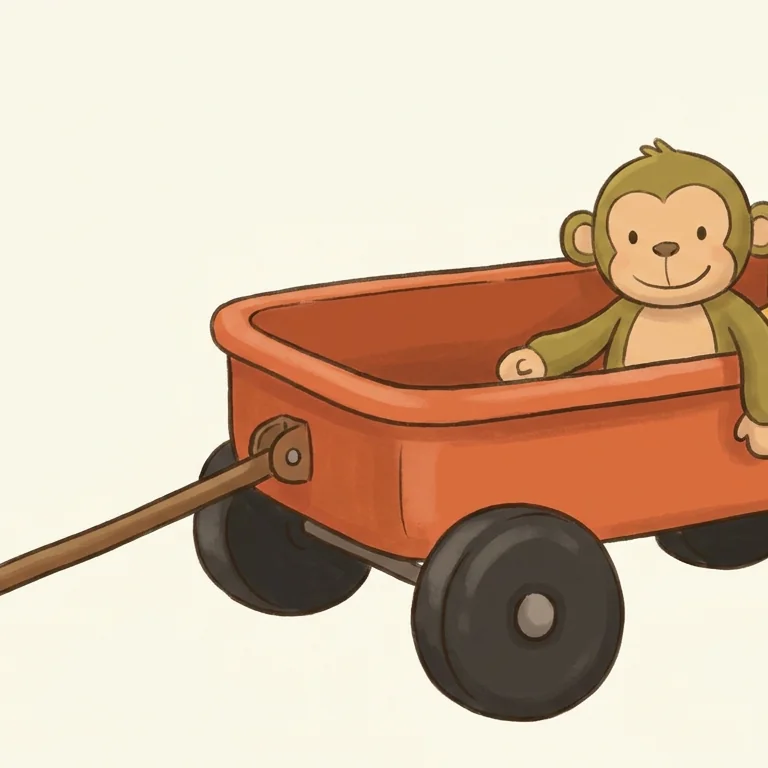
wagon wag-un -
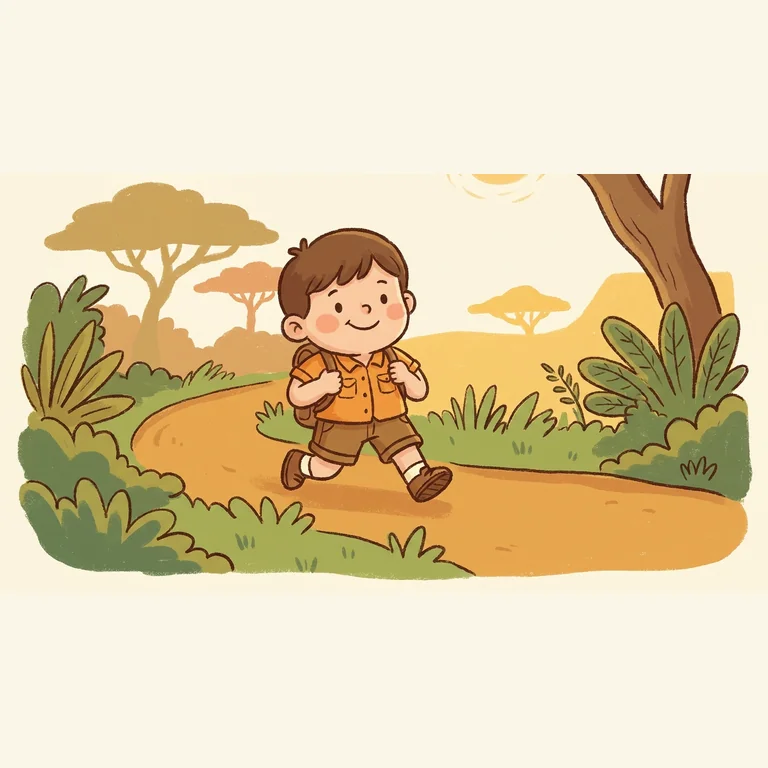
walk wok -
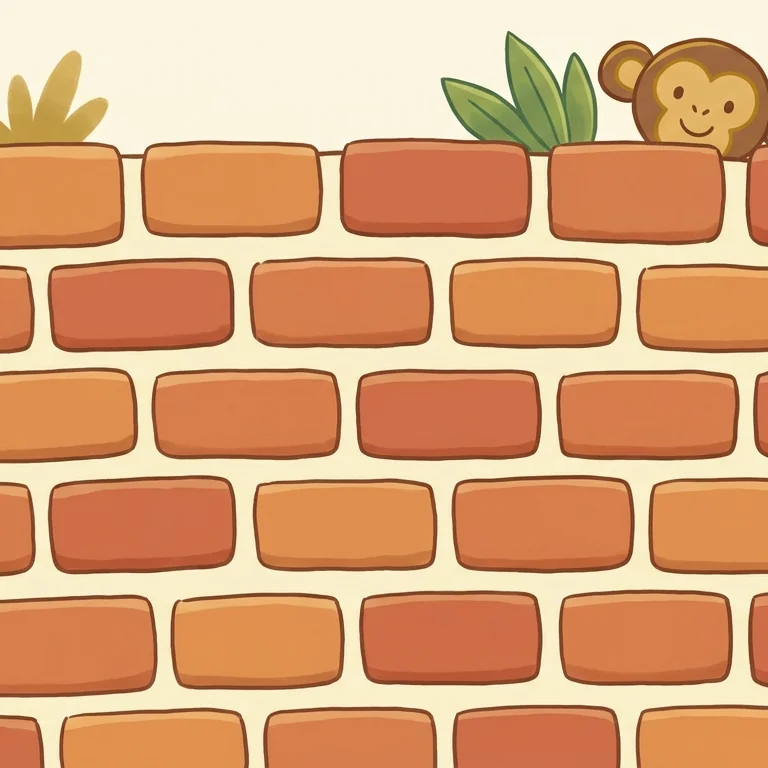
wall wol -
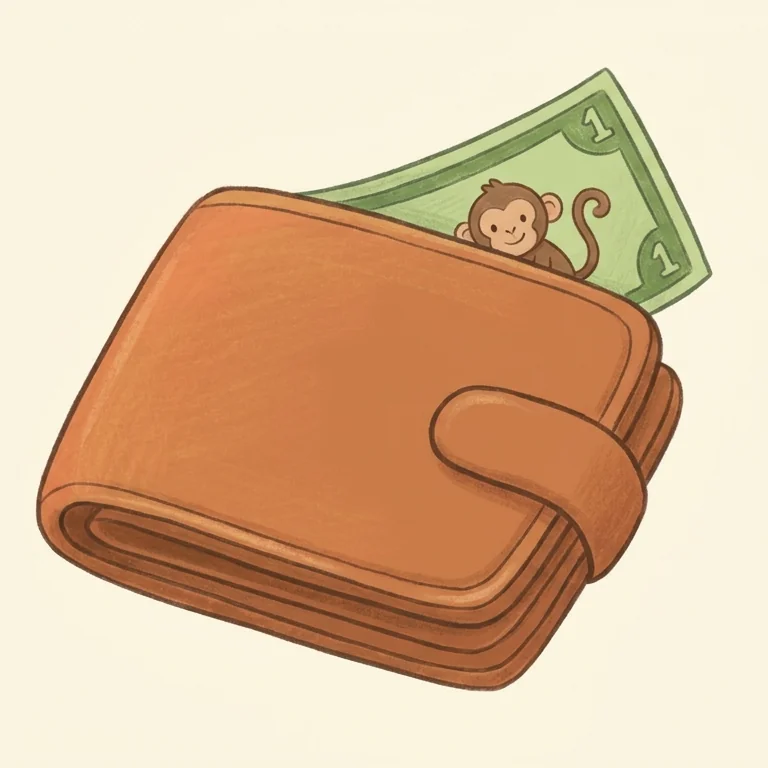
wallet wol-et -

walrus wol-rus -
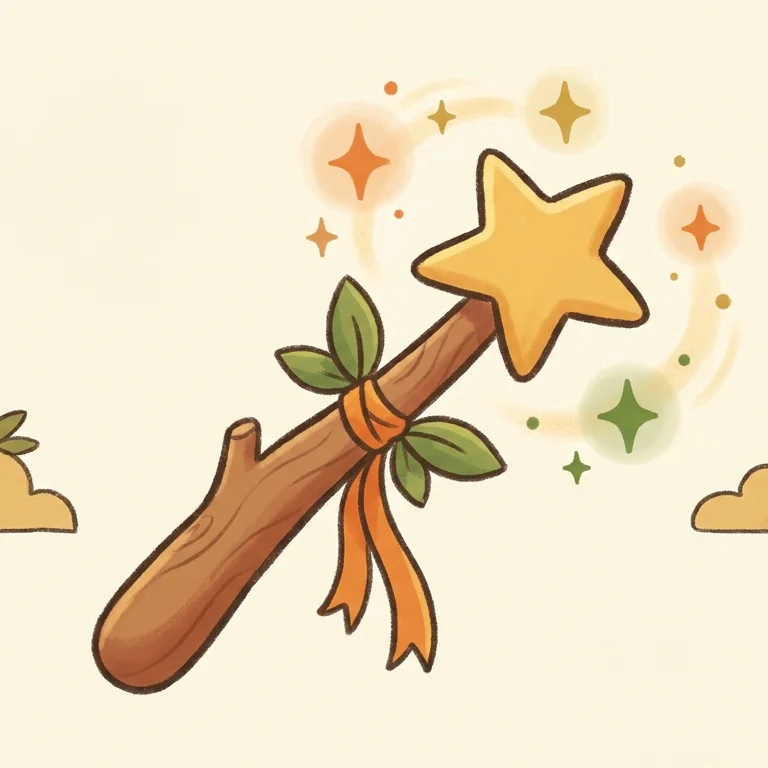
wand wond -

warm warm -
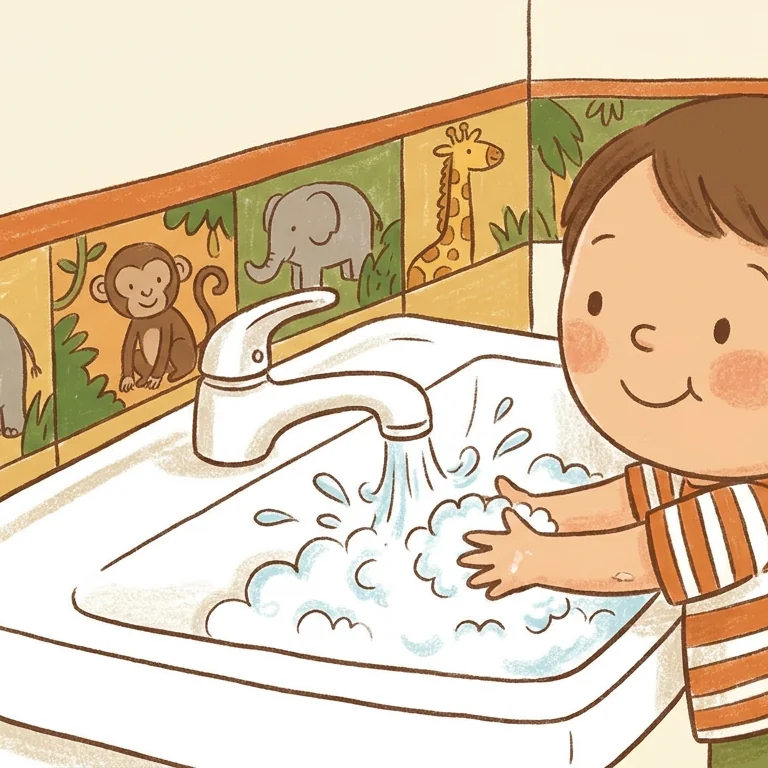
wash wosh -

wasp wosp -

wave wayv -
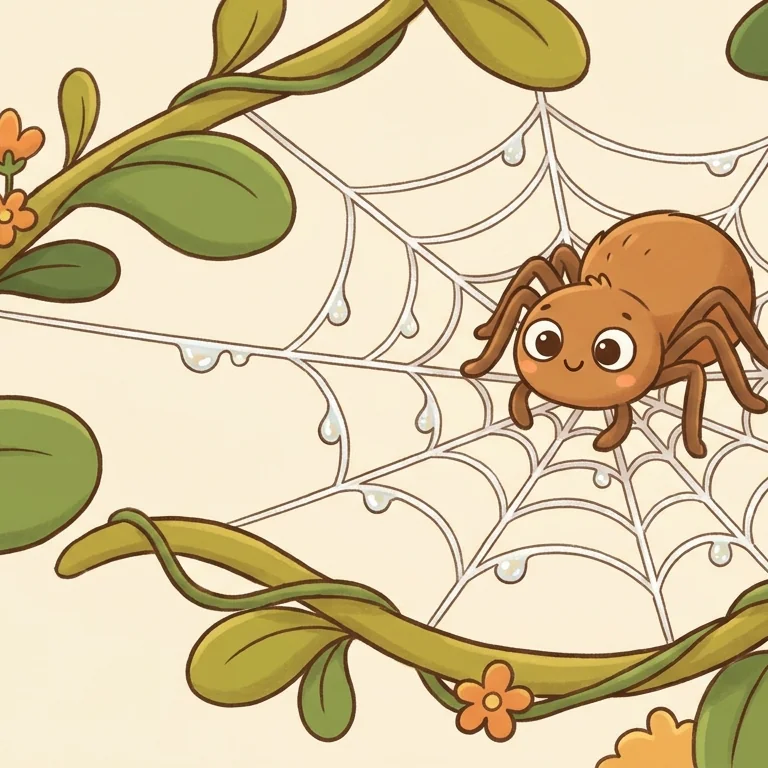
web web -
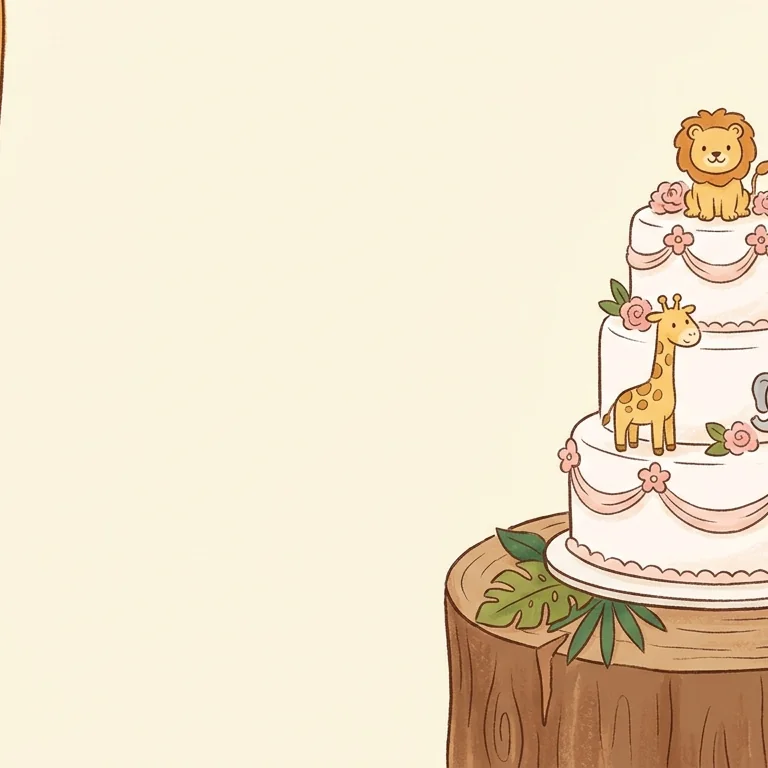
wedding wed-ing -
week week -

well wel -
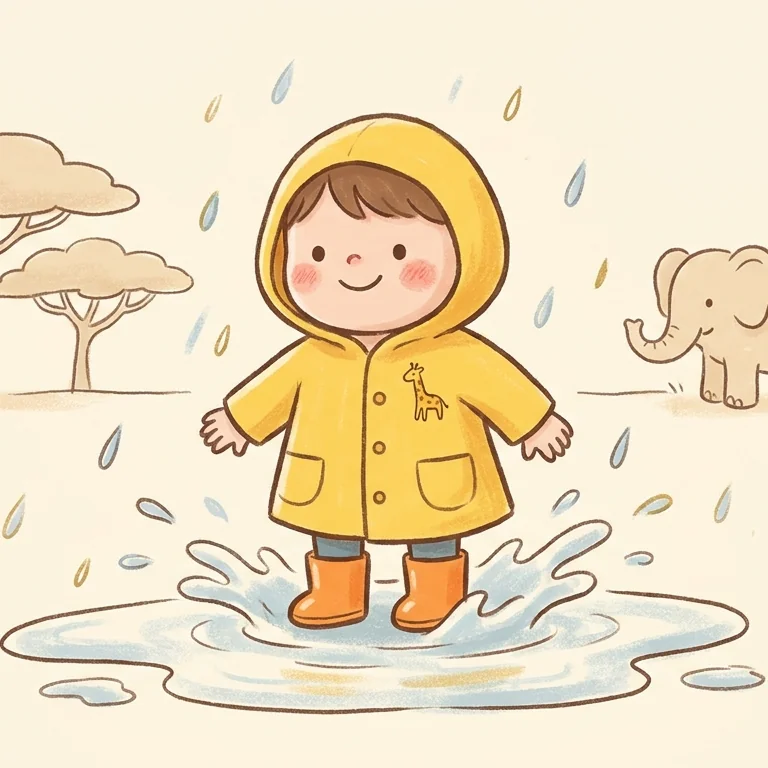
wet wet -

wig wig -
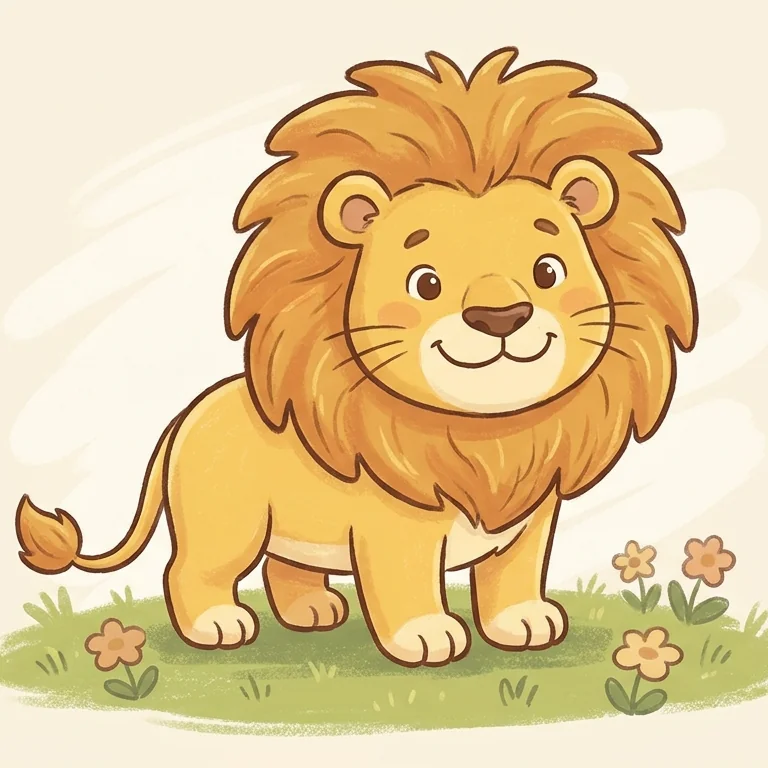
wild wyld -
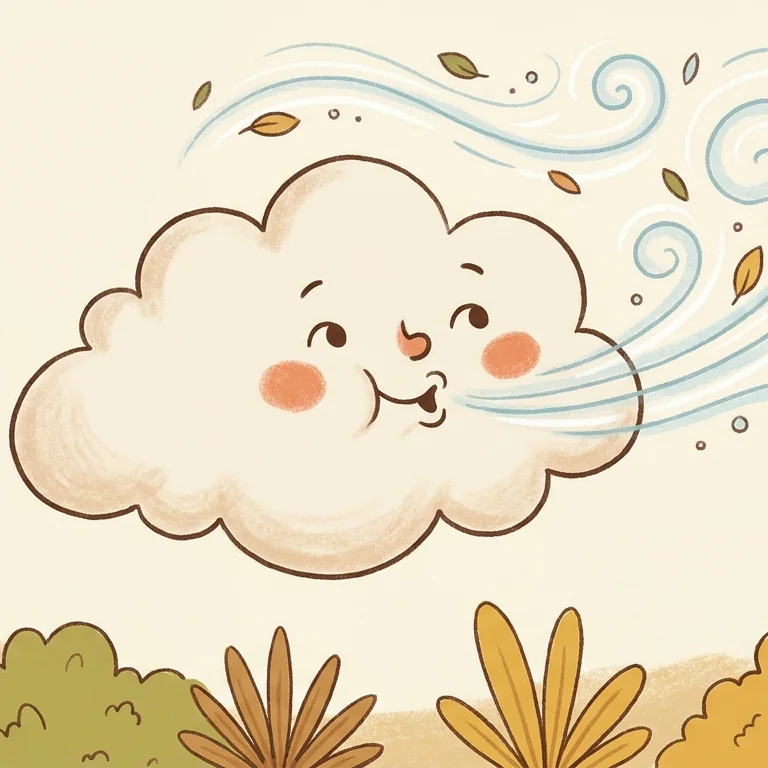
wind wind -
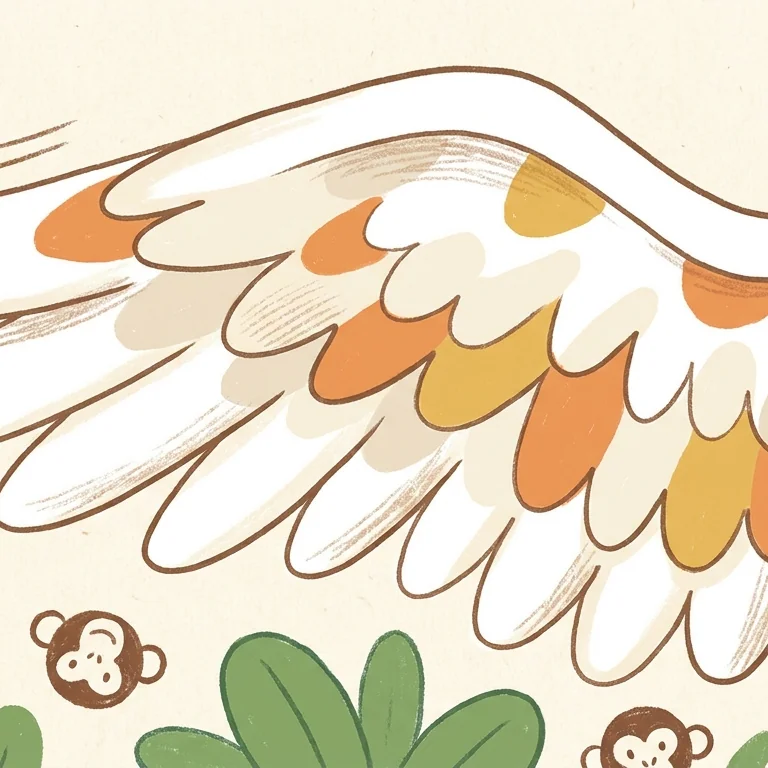
wing wing -

winter win-ter -
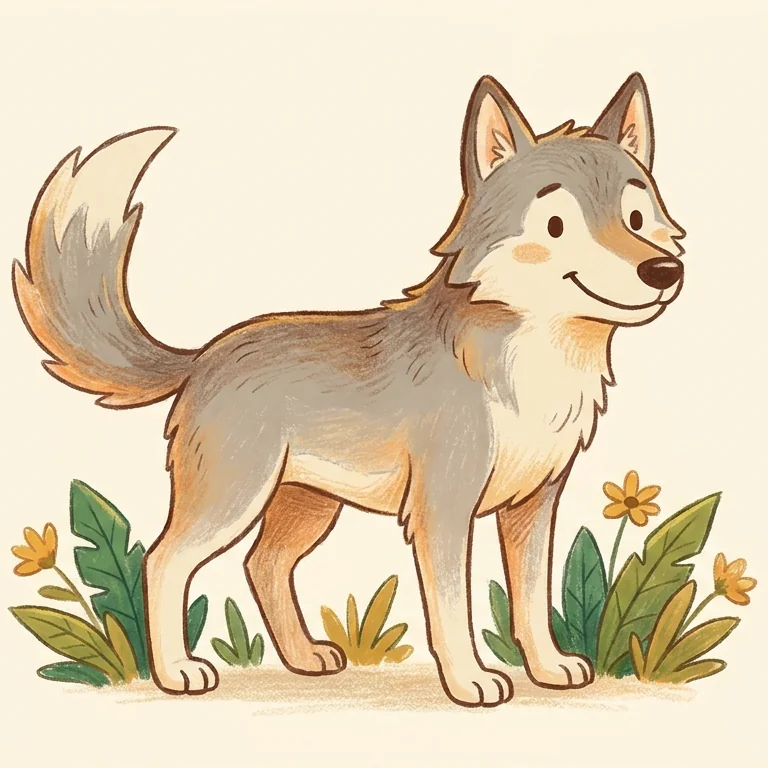
wolf woolf -

wood wood -
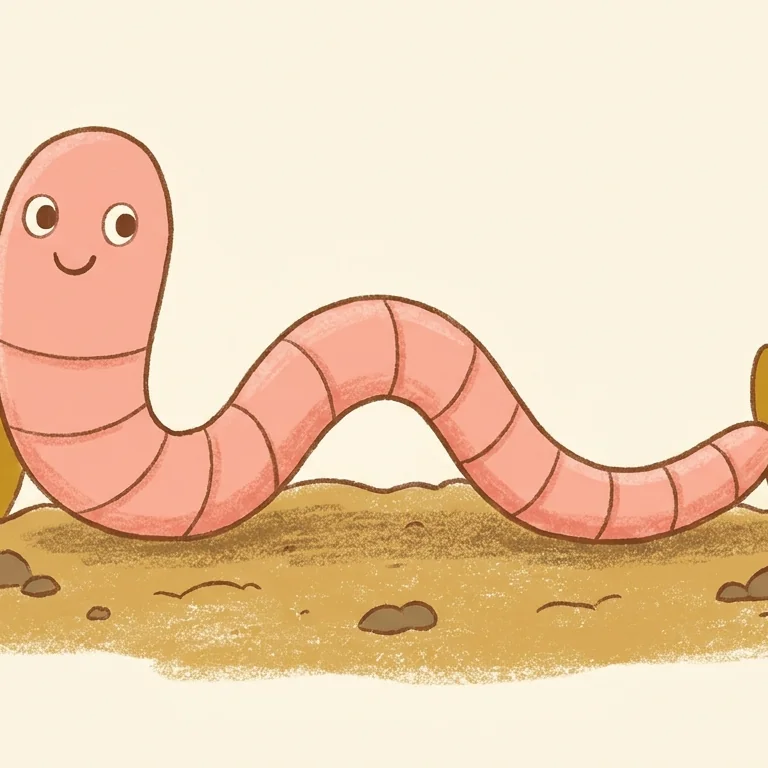
worm wurm
Medial — /w/ in the middle of the word (24)
-

sandwich sand-wich -

flower flow-er -
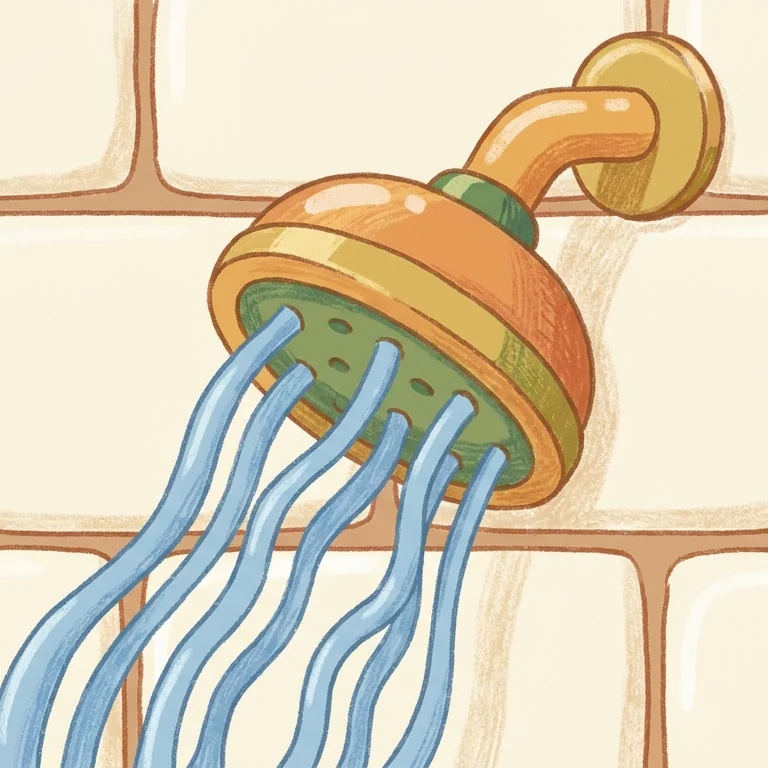
shower show-er -

always ol-wayz -
away uh-way -
beware bee-wair -

blowing bloh-wing -
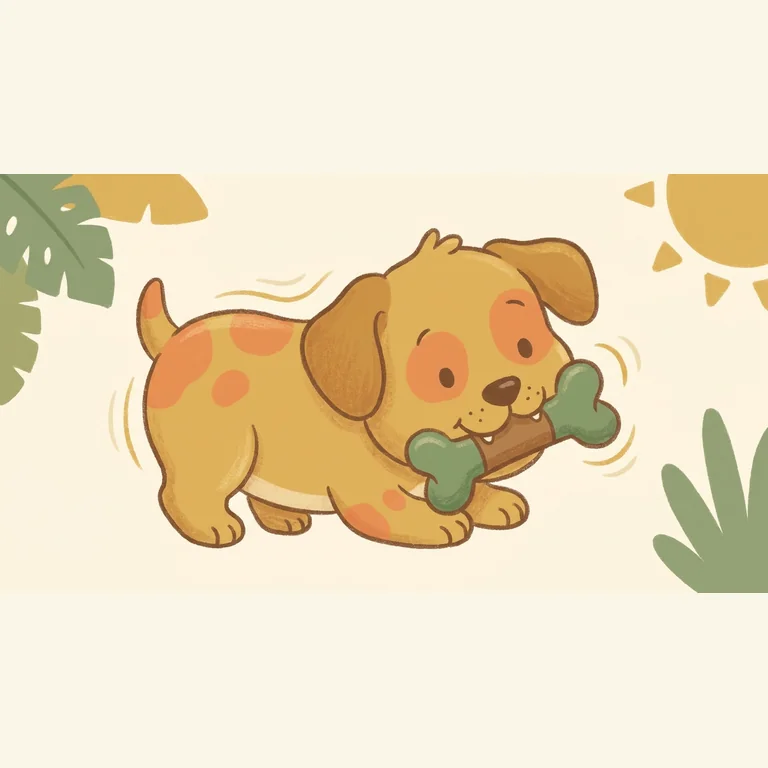
chewing choo-wing -
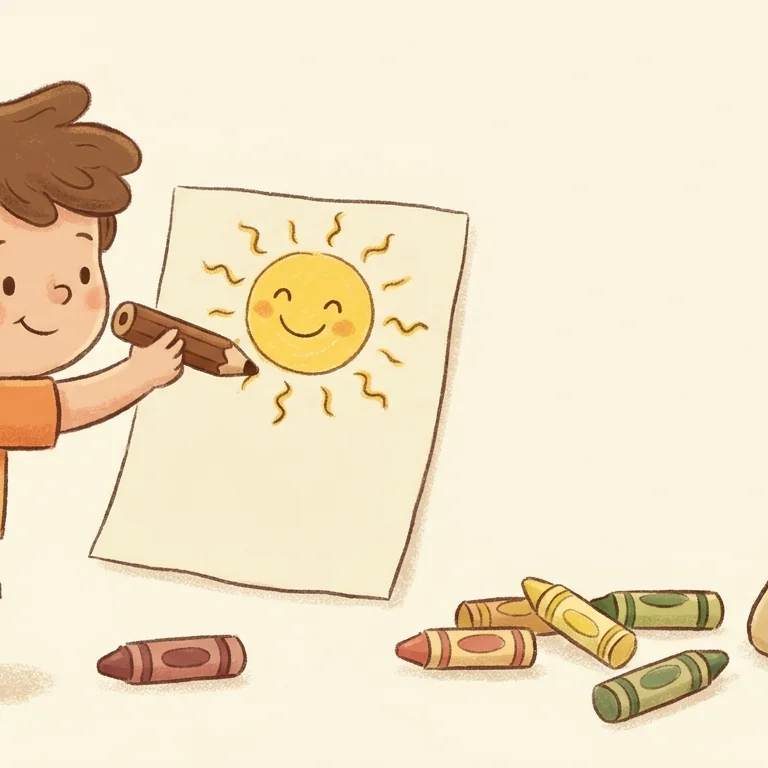
drawing draw-wing -
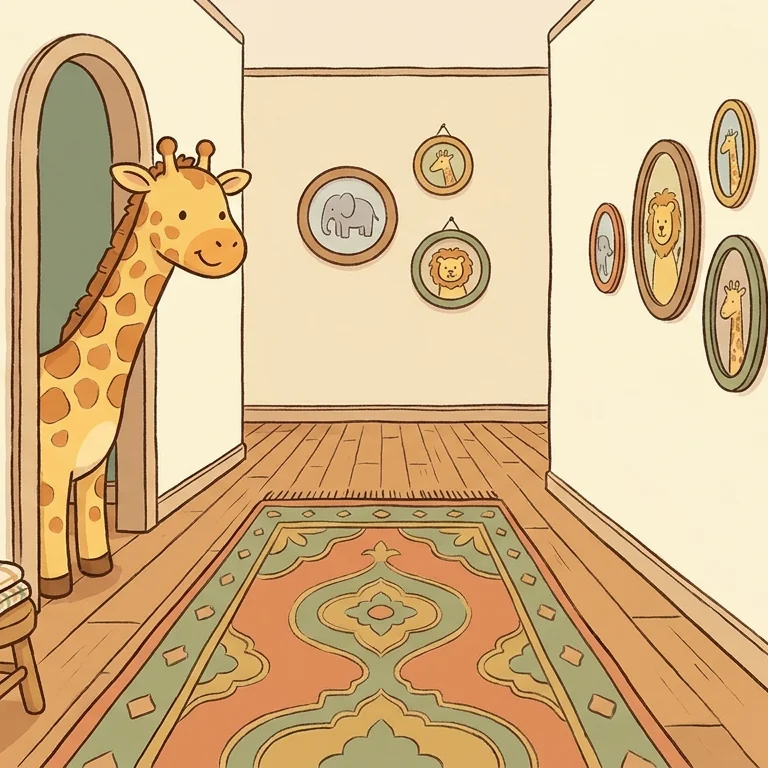
hallway hol-way -
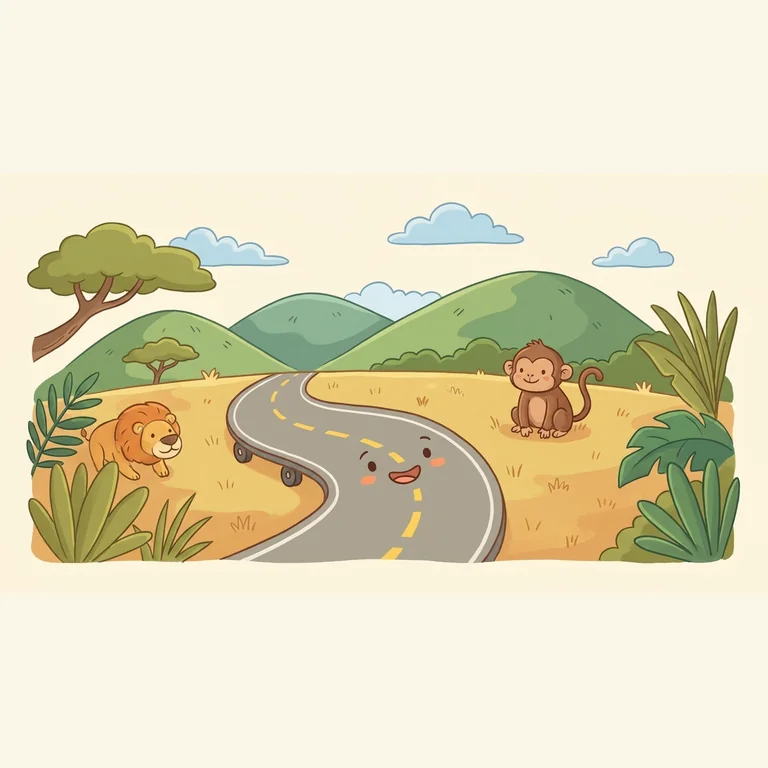
highway hy-way -
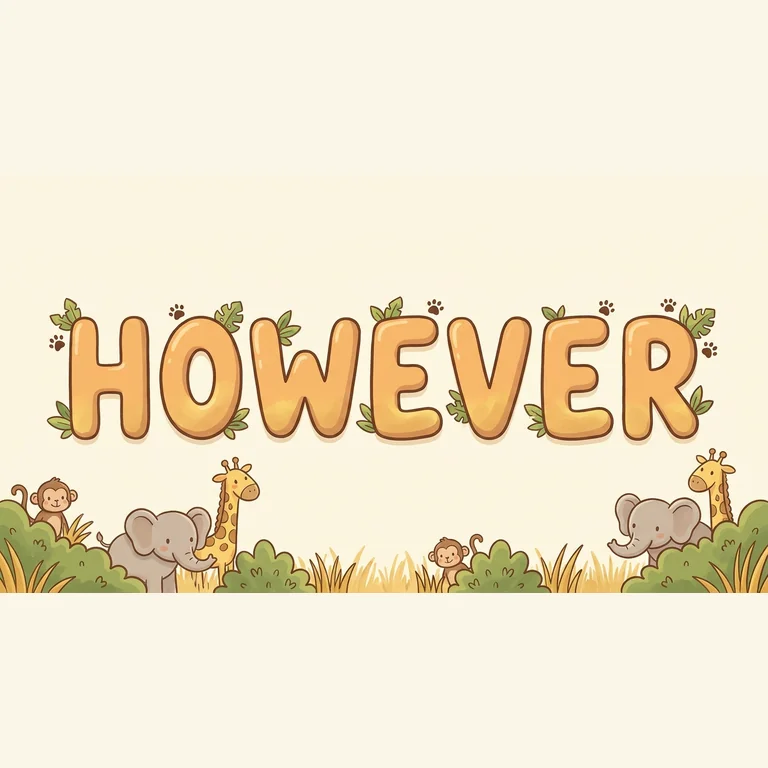
however how-ev-er -

knowing noh-wing -

meowing mee-ow-ing -

power pow-er -
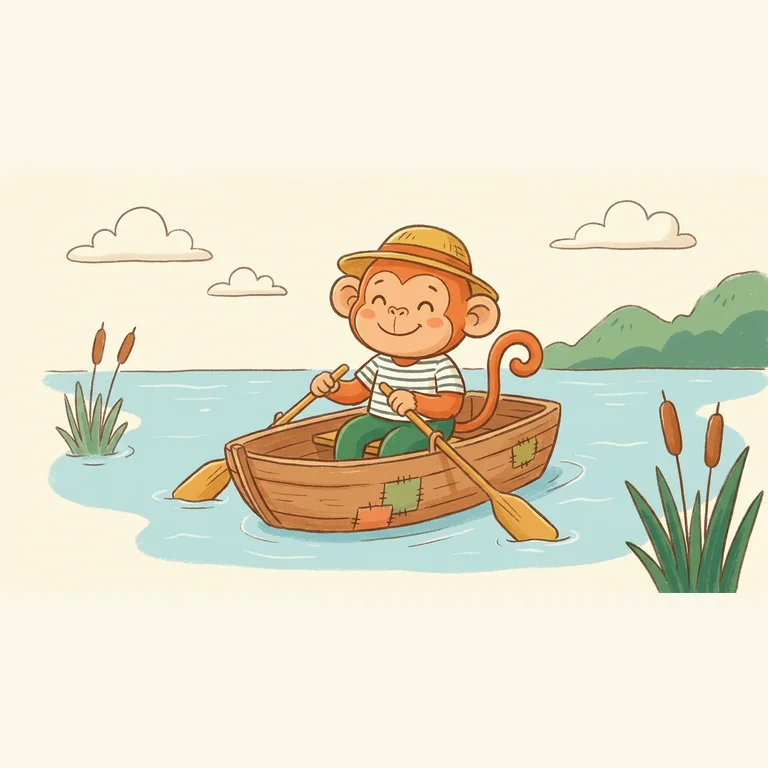
rowing roh-wing -
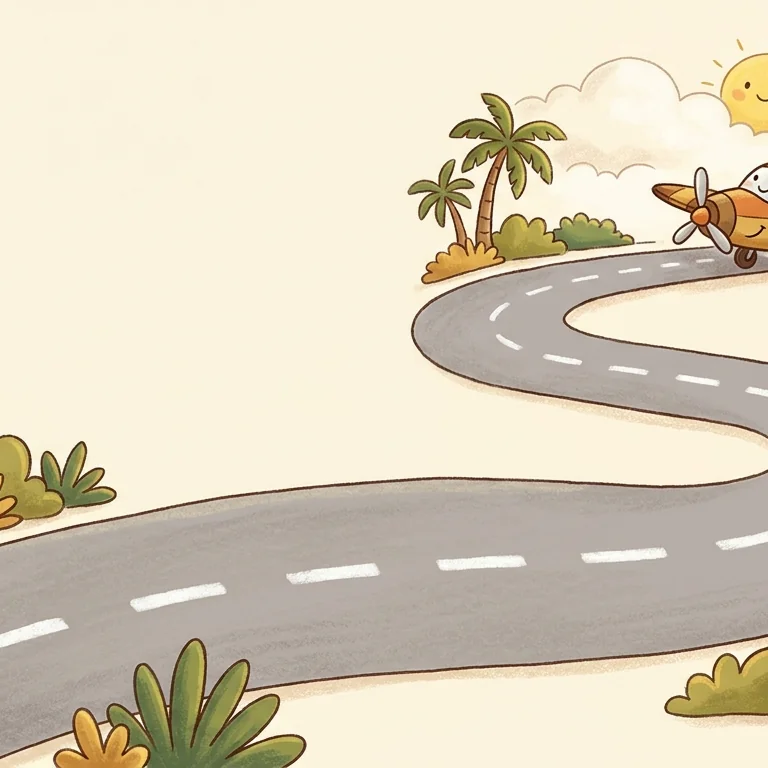
runway run-way -

sewing soh-wing -
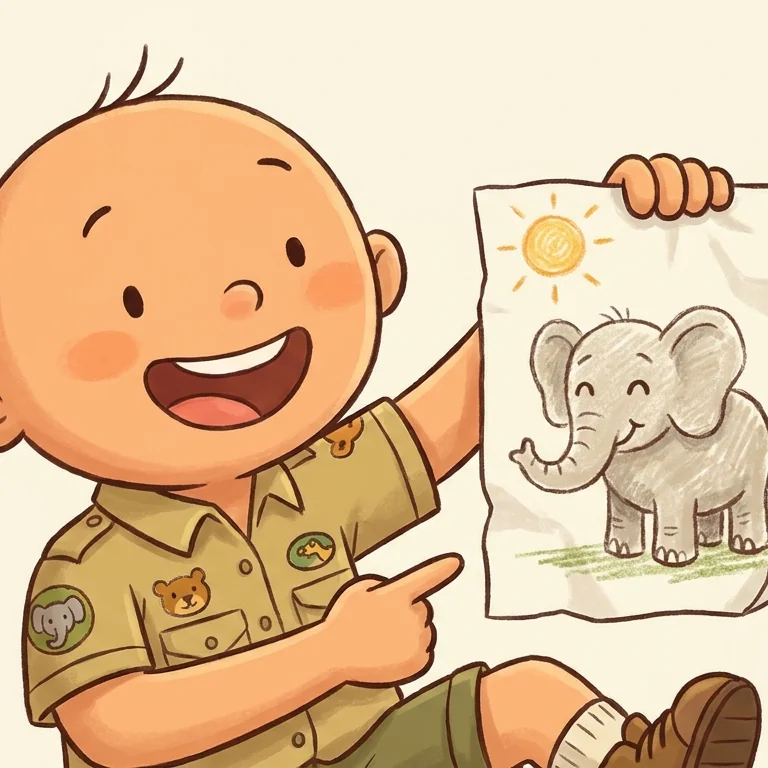
showing shoh-wing -
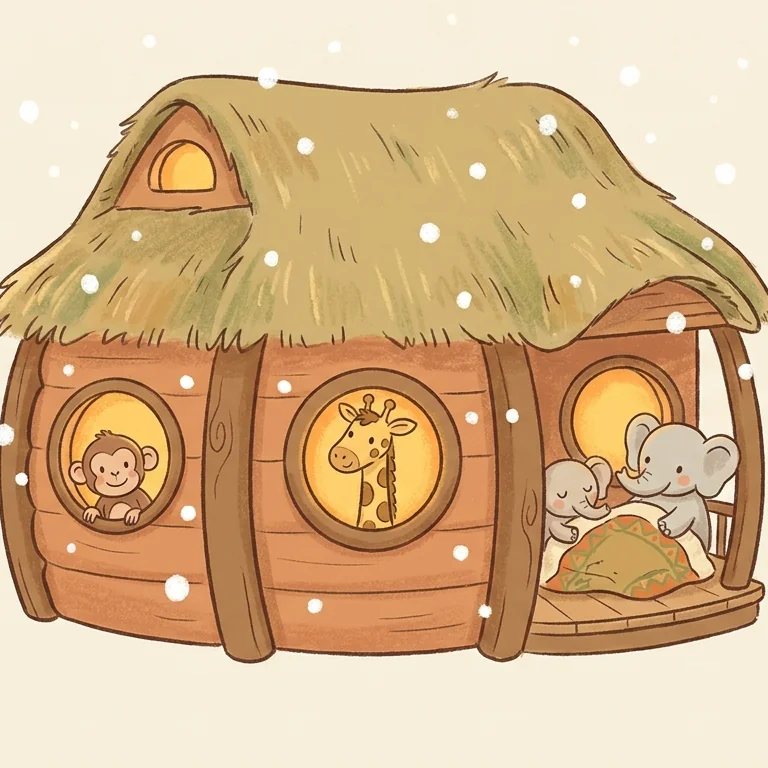
snowing snoh-wing -

subway sub-way -

sunflower sun-flow-er -
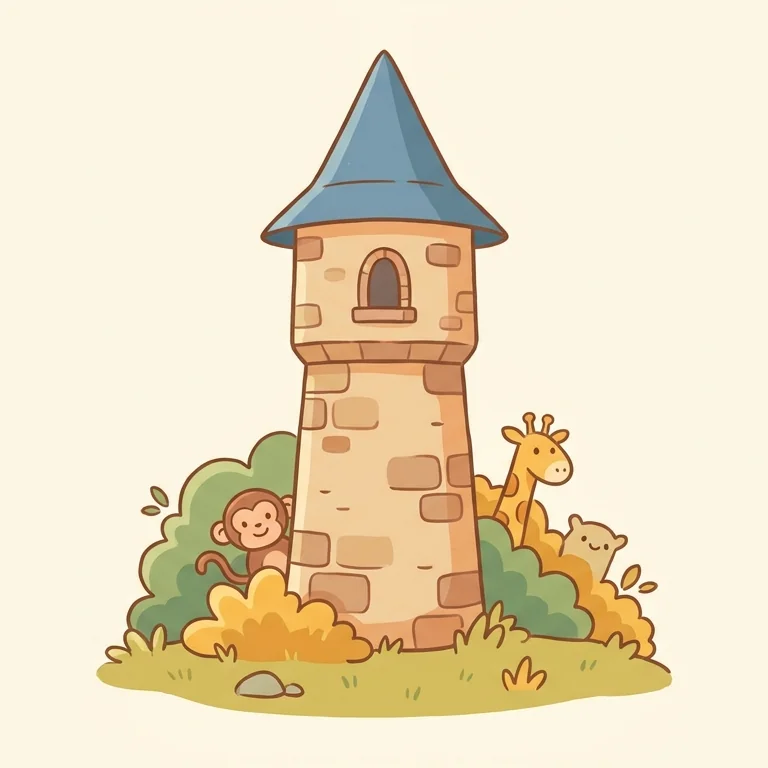
tower tow-er -
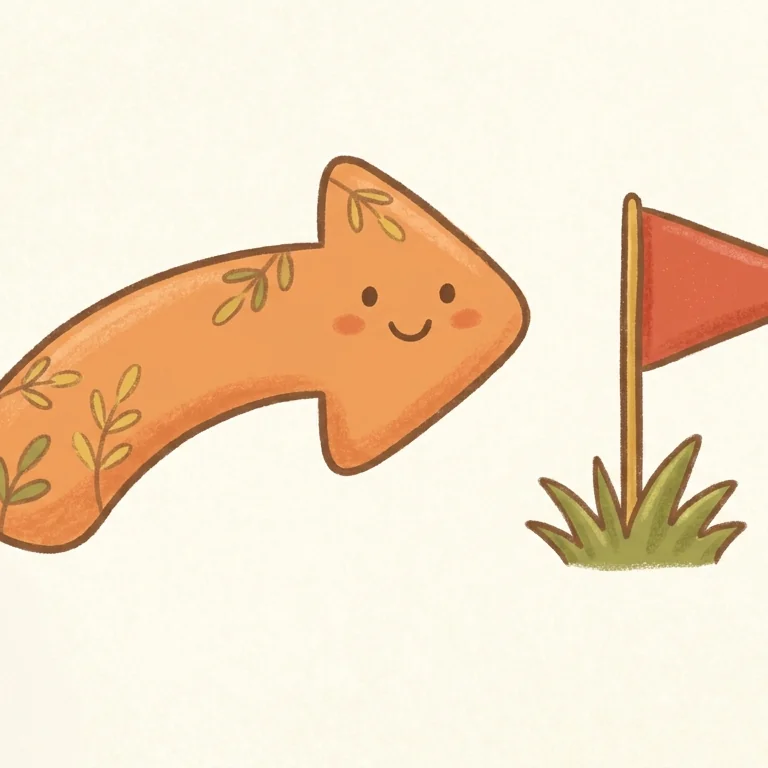
toward toh-ward
Minimal pairs for /w/
Minimal pairs differ by a single sound — the heart of phonological therapy. Tap a card to hear it, or tap “vs” to hear a pair back-to-back.
- Wall
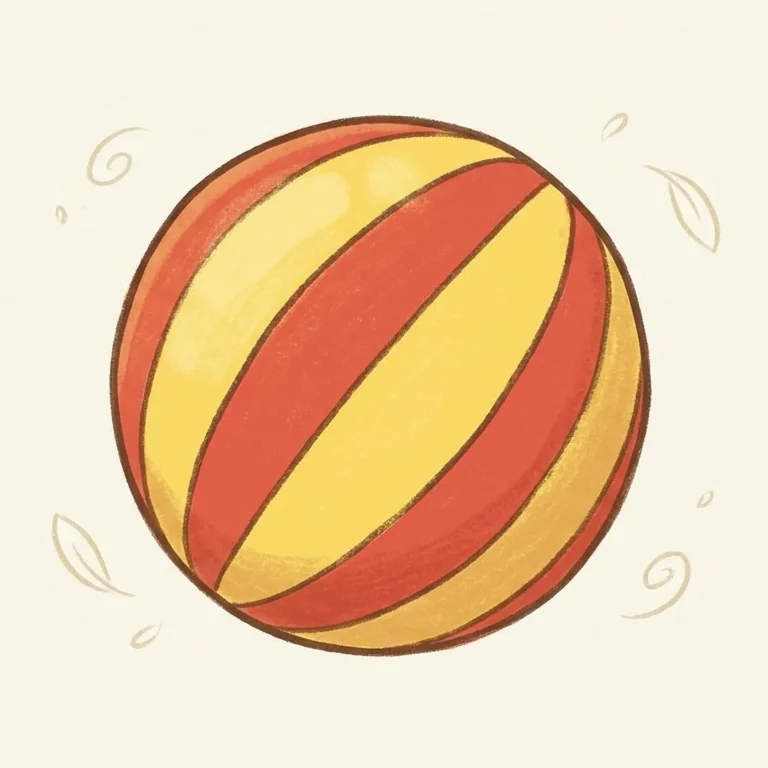 Ball
Ball - Well
 Bell
Bell
More /w/ minimal pairs — tap a contrast to explore
/w/ at the start · 19
- queen clean
- wake lake
- wand land
- watch latch
- wait late
- weep leap
- weather leather
- whether leather
- weave leave
- wedge ledge
- went lent
- wick lick
- wife life
- white light
- whine line
- whip lip
- wizard lizard
- wok lock
- wove love
/w/ in the middle · 2
- swab slab
- sweep sleep
/w/ sound — frequently asked questions
At what age should my child say the /w/ sound? +
Most children produce /w/ correctly by age 3. About half can do it by age 2. /w/ is one of the earliest sounds to develop.
My child says /w/ instead of /r/ or /l/ — is that normal? +
Yes — gliding /r/ or /l/ to /w/ ("wabbit" for "rabbit", "wamp" for "lamp") is developmentally typical through age 5–6. It's actually a sign /w/ is well-established.
Why is the /w/ sound usually easy? +
/w/ uses visible, simple lip rounding plus the voice — easy for kids to see and copy.
How can I help my child practice /w/ at home? +
Practice "oo" lips in a mirror, then slide into vowels: "oo-ah" = "wah". Use /w/ words like "wet", "web", "wagon", "water".
When should we see a speech therapist about /w/? +
Rarely needed — /w/ is very early-developing. If it's missing or omitted past age 3, an SLP check-in is worthwhile.
Can older children and adults still correct /w/? +
Yes — /w/ rarely needs correcting at older ages, but when it does, it responds quickly because the lip-rounding is so visible.
Related sounds
Sounds that pair, contrast, or are commonly confused with /w/.