Sound Safari
Speech Sound Guide
The Y Sound: Norms, Challenges & Word Lists
The /y/ sound typically develops by age 4. This guide covers when /y/ develops, what typically goes wrong, simple ways to practice it, and over 55 /y/ words organized by position.
When should a child say /y/?
Developmental norms — when the /y/ sound typically emerges and is mastered.
Source: McLeod & Crowe (2018); Crowe & McLeod (2020), AJSLP.
A child still substituting or distorting /y/ after age 4 is a good candidate for a speech-language evaluation — earlier if they're hard to understand or frustrated.
Find out where /y/ stands — in 5 minutes
Sound Safari's 24-sound screener checks against the McLeod & Crowe norms above.
Common challenges with /y/
What typically goes wrong — and whether it's age-appropriate.
The /y/ sound is rarely a source of articulation errors on its own.
How to practice the /y/ sound
Practical starting points for parents and SLPs. Always follow your SLP's plan if your child is in therapy.
- 1 Smile and lift the tongue. /y/ starts with a wide smile and the tongue lifted toward the roof of the mouth (like an "ee" position), then slides into the next vowel.
- 2 From "ee" to /y/. Have your child say "ee" with a smile, then slide into a vowel: "ee-ah" becomes "yah". That's exactly /y/.
- 3 Smooth and quick. /y/ is a glide — it should slide smoothly into the vowel. Don't hold it; let it transition.
- 4 Practice with vowels. Attach /y/ to vowels: "y-ah", "y-oo", "y-eh", then full words "yes", "yo-yo", "yard".
- 5 Contrast with /l/ and /w/. /y/ uses the tongue blade going up (smile shape); /l/ uses the tongue tip; /w/ uses lip rounding. Practice "y-l-w" to feel all three.
/y/ word lists by position over 55 words
Every word from the Sound Safari practice library. The /y/ in each word is bolded.
Initial — /y/ at the start of the word (29)
-
yellow yel-oh -
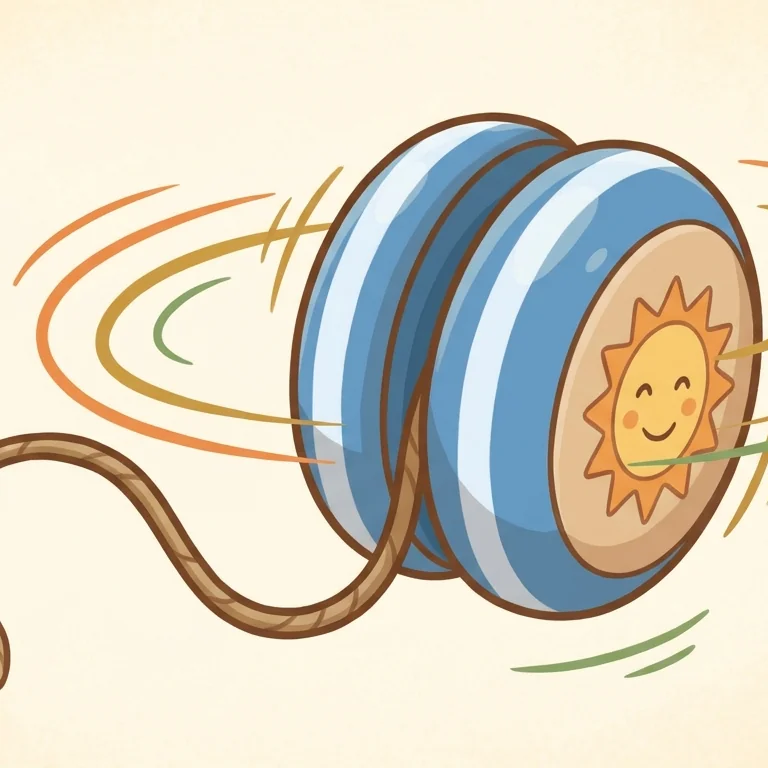
yo-yo yoh-yoh -
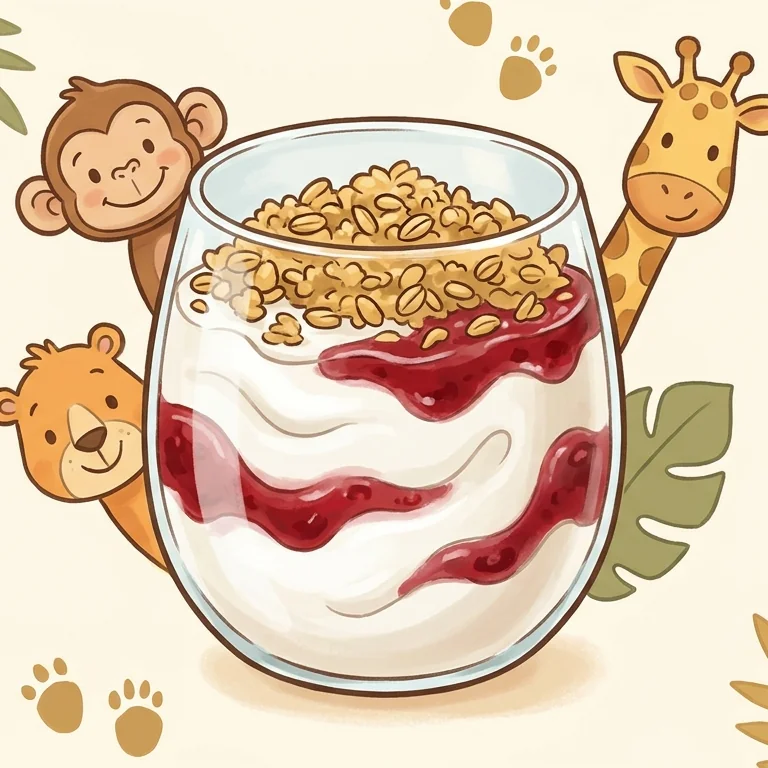
yogurt yoh-gurt -
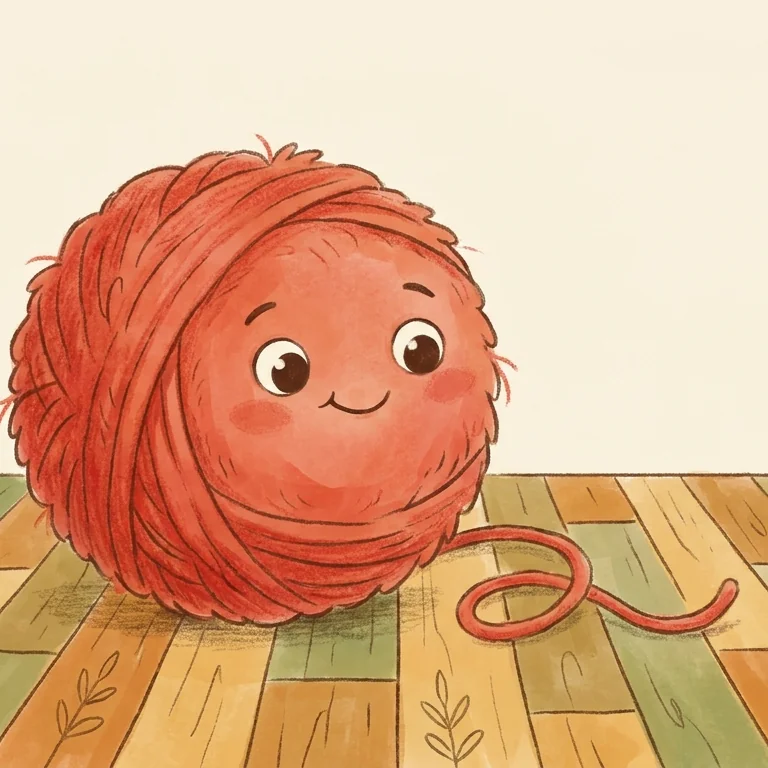
yarn yarn -
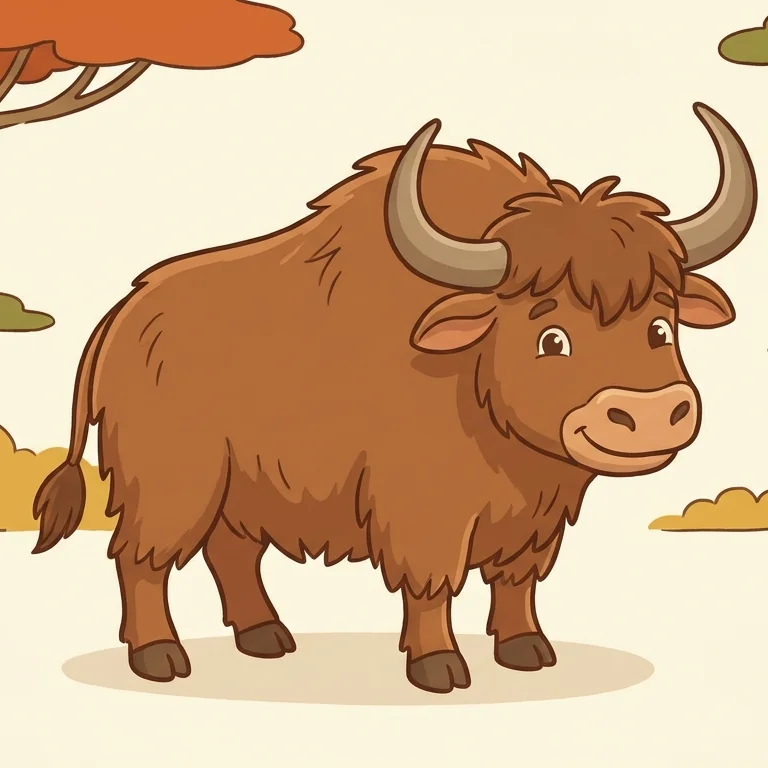
yak yak -
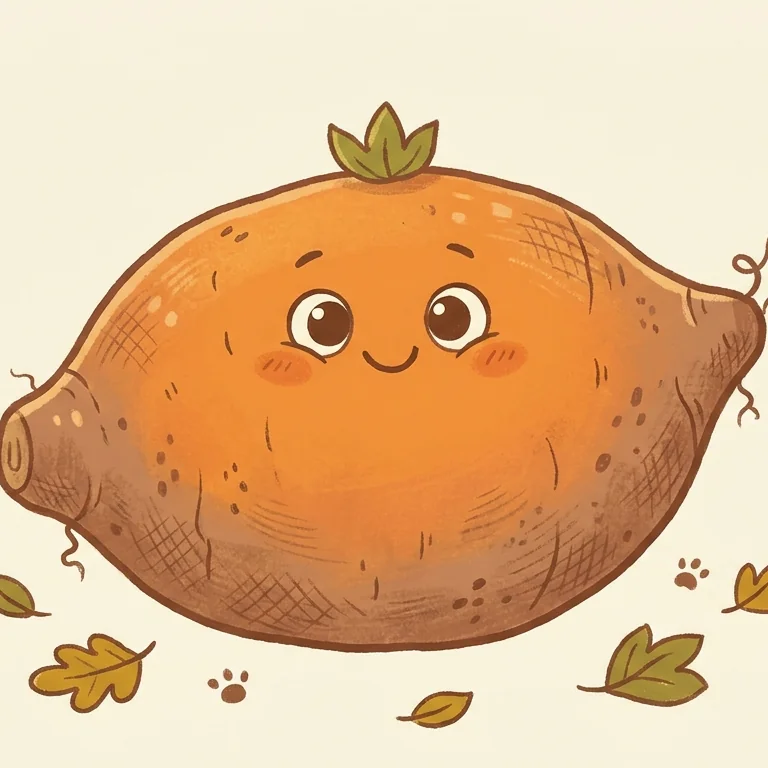
yam yam -
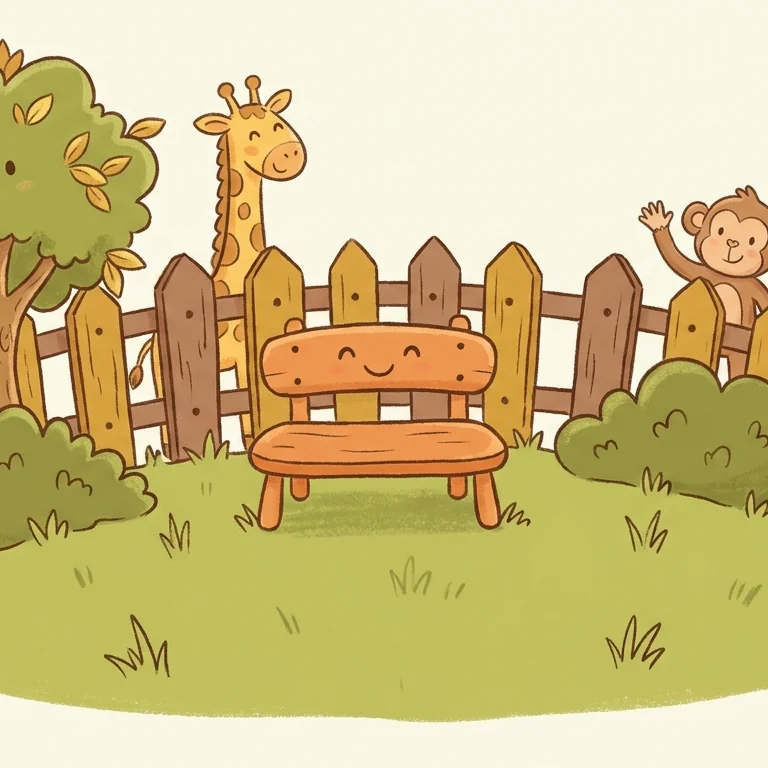
yard yard -
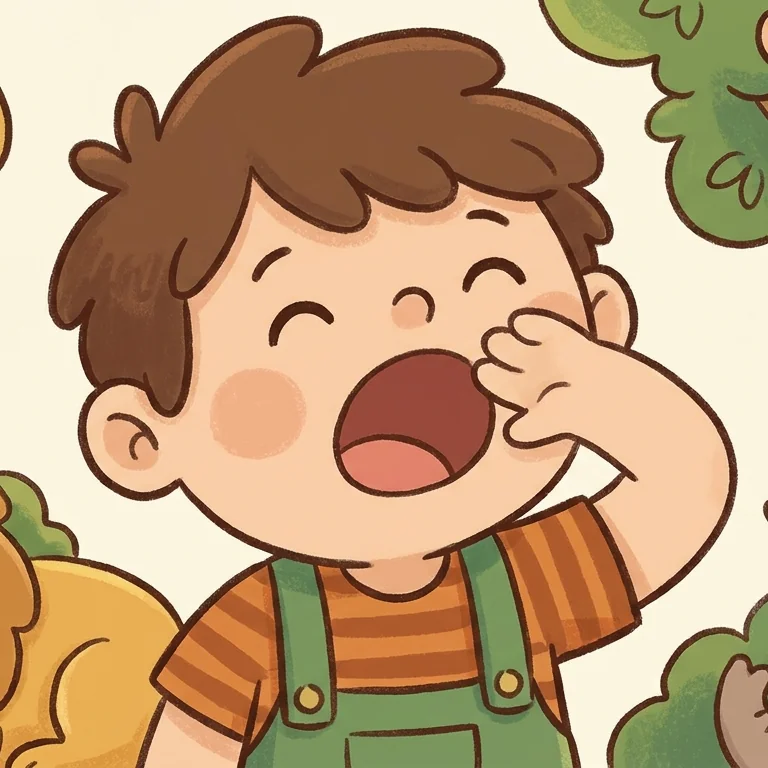
yawn yawn -
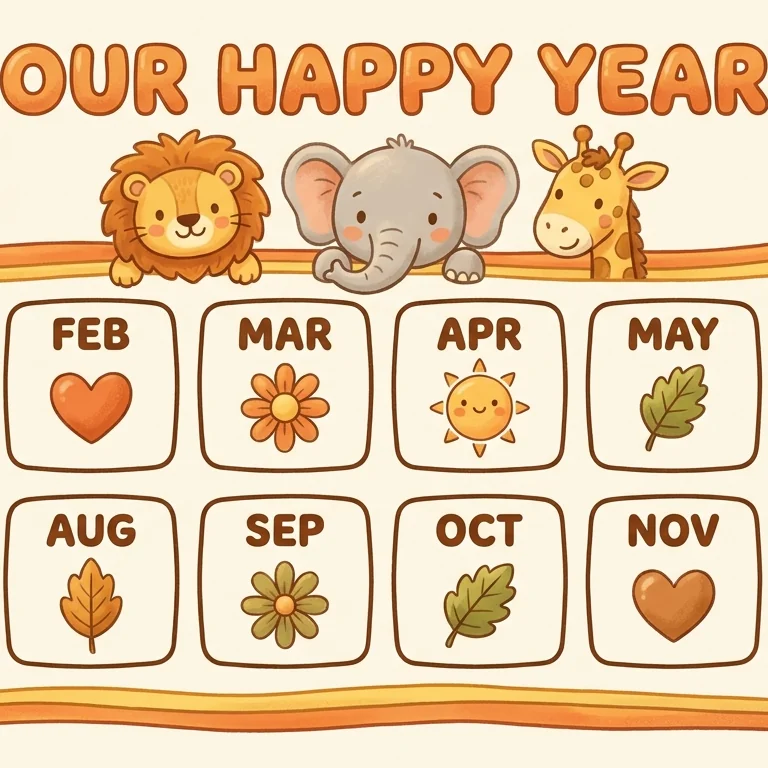
year yeer -
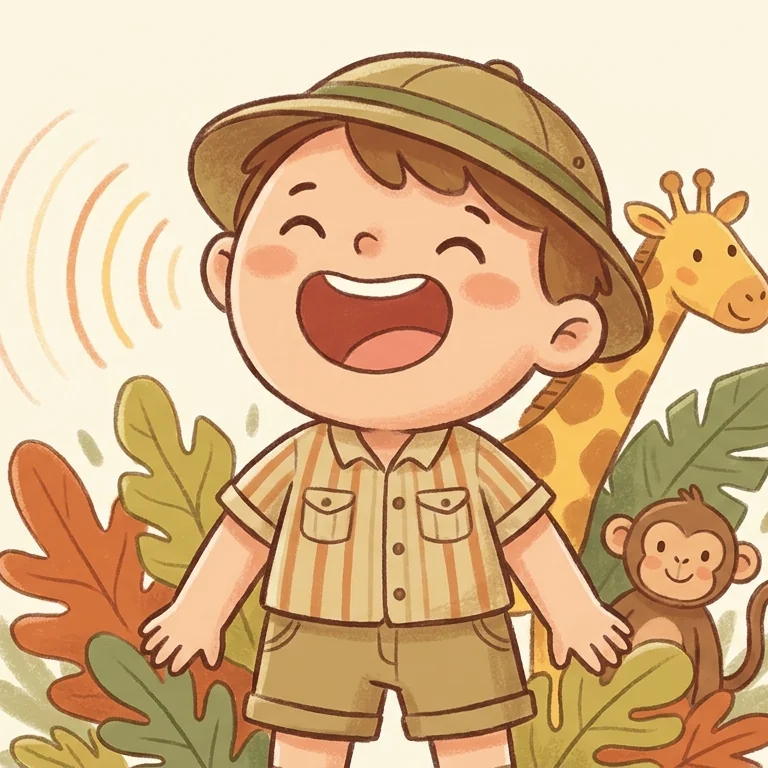
yell yel -
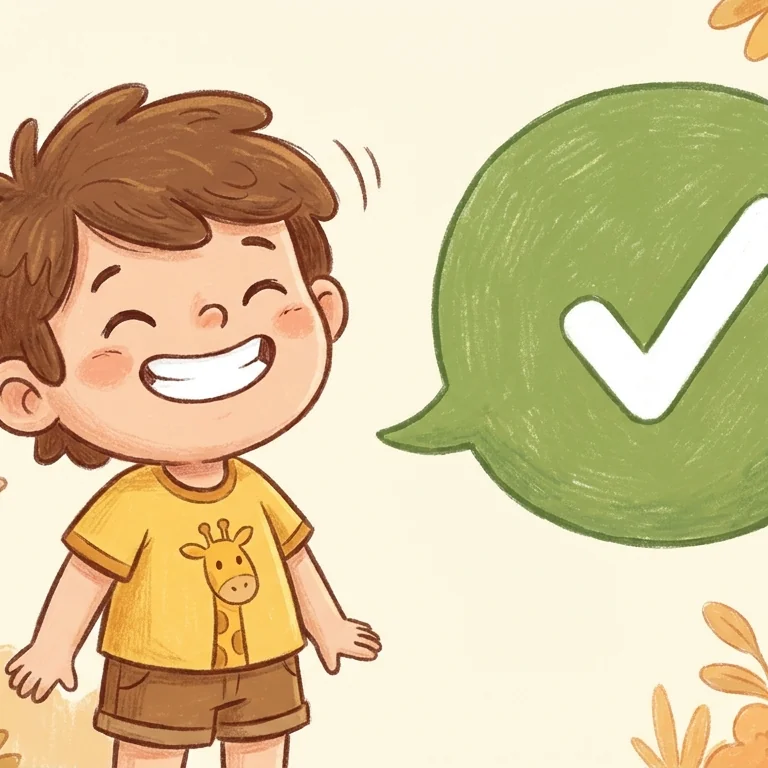
yes yes -
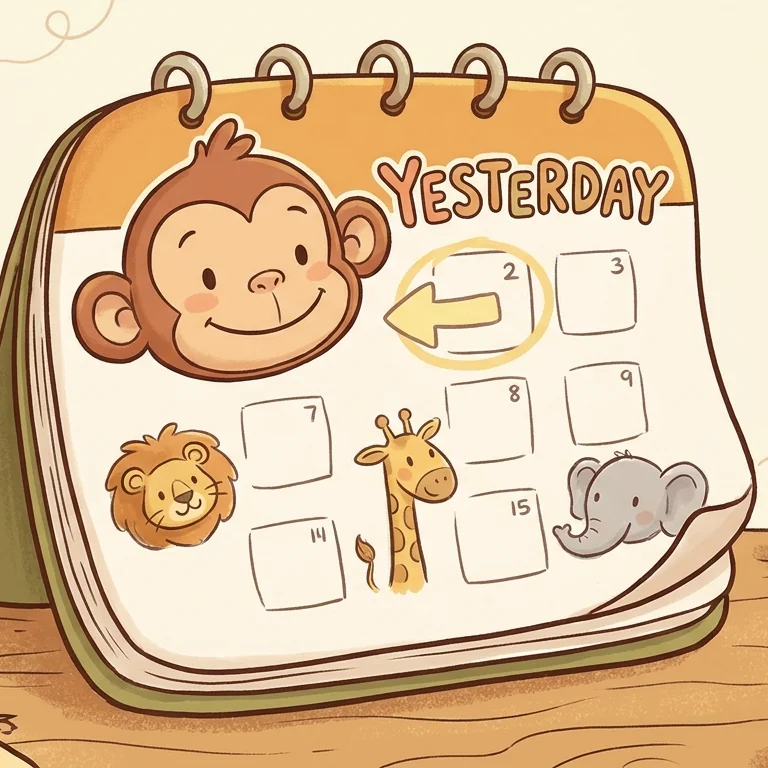
yesterday yes-ter-day -
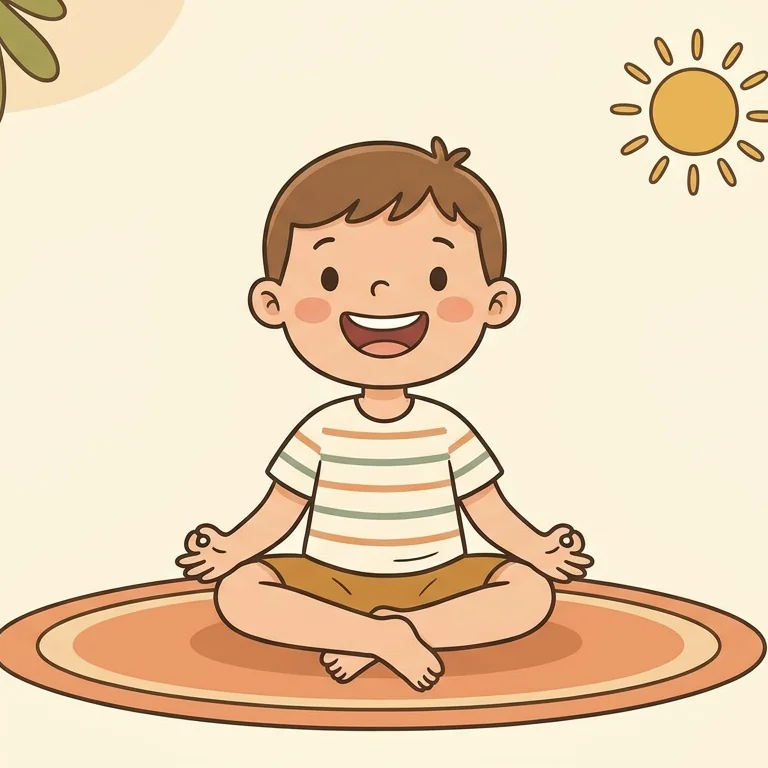
yoga yoh-guh -

yolk yohk -
you yoo -
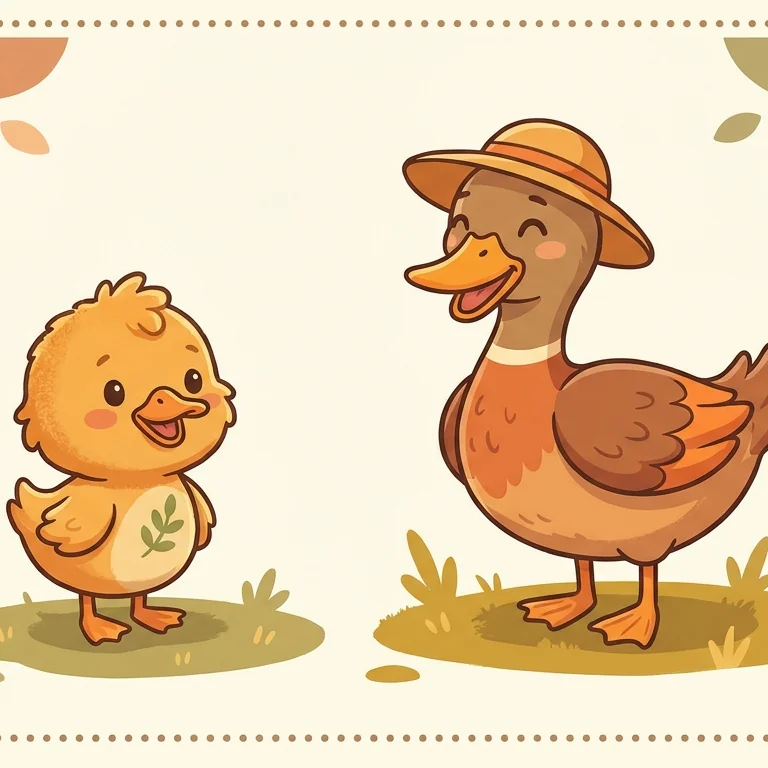
young yung -
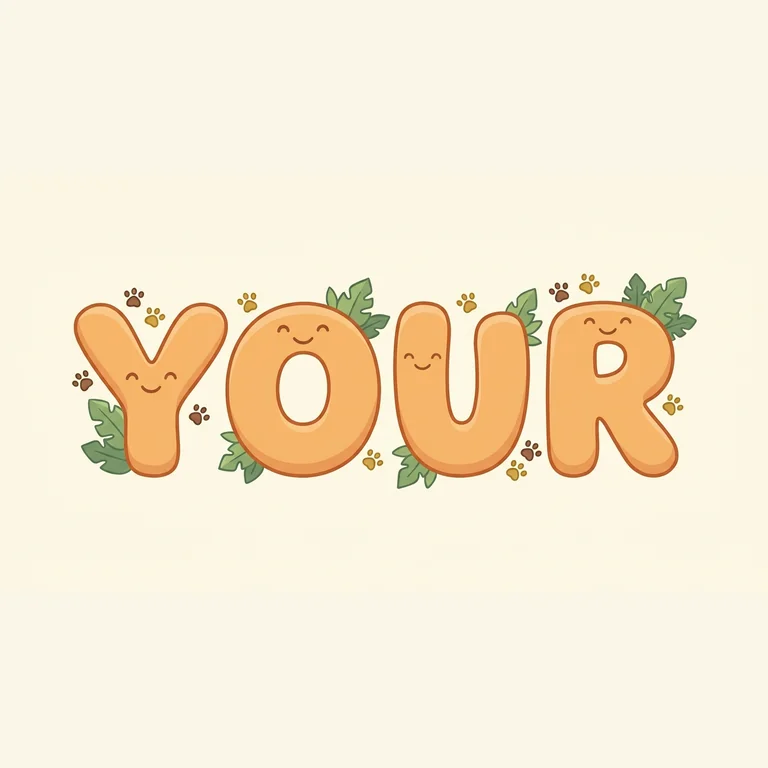
your yor -
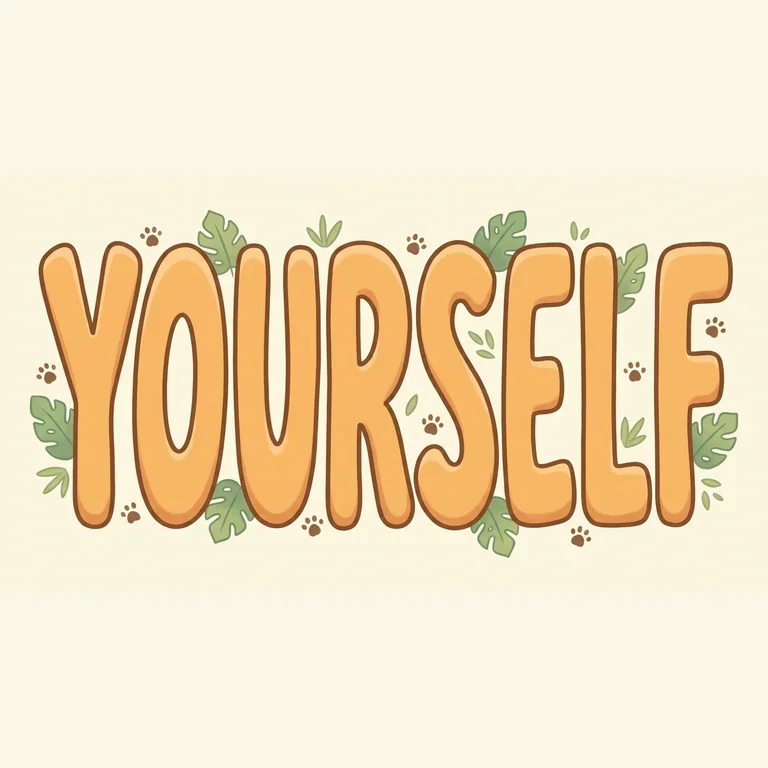
yourself yor-self -
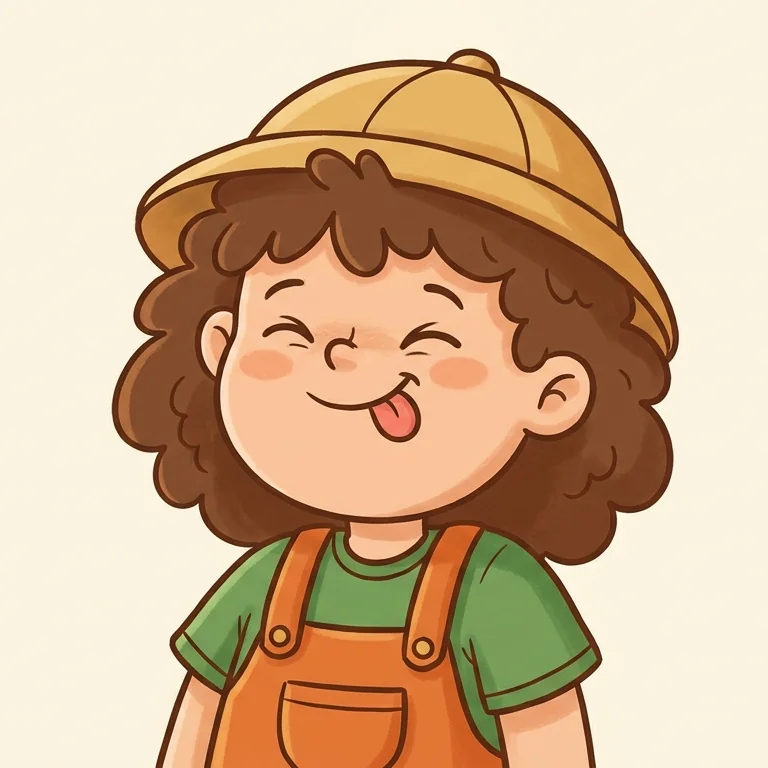
yucky yuk-ee -
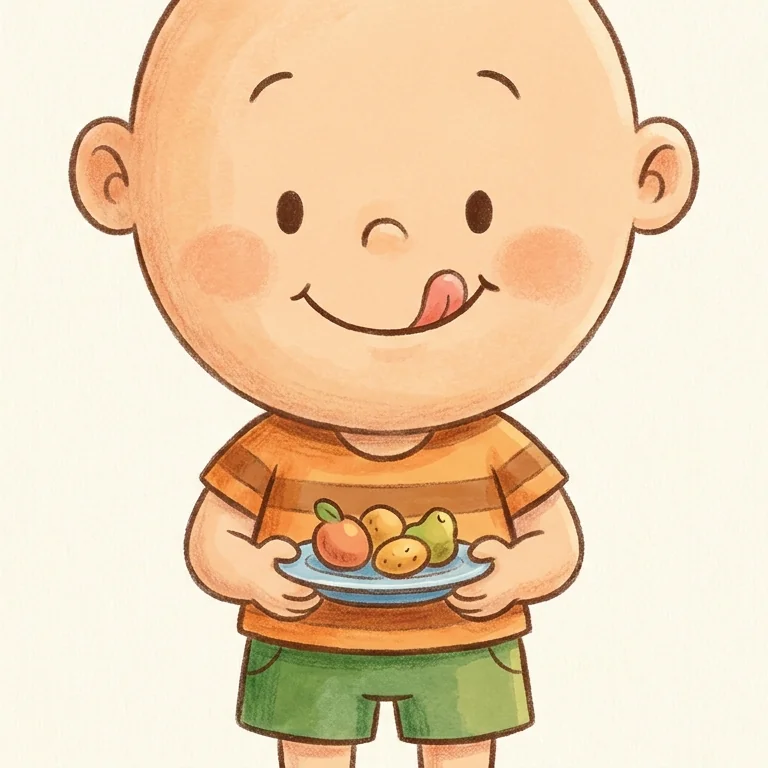
yummy yum-ee -

yacht yot -
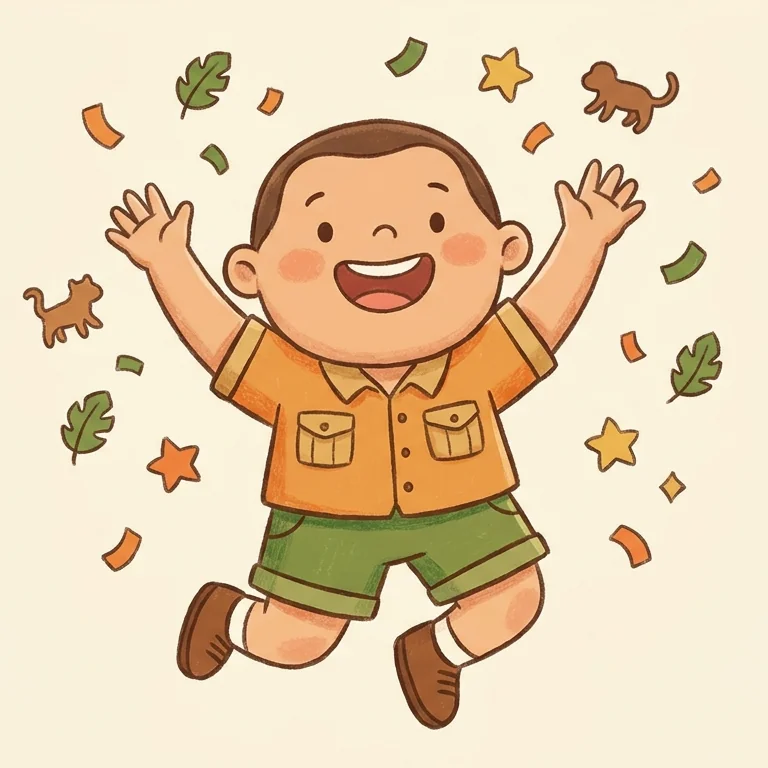
yahoo yah-hoo -
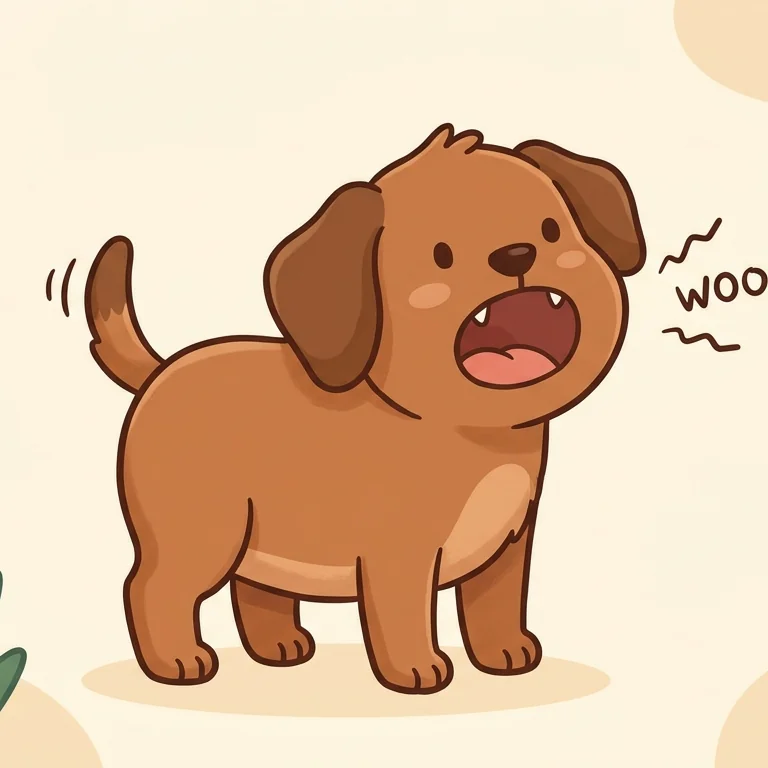
yap yap -
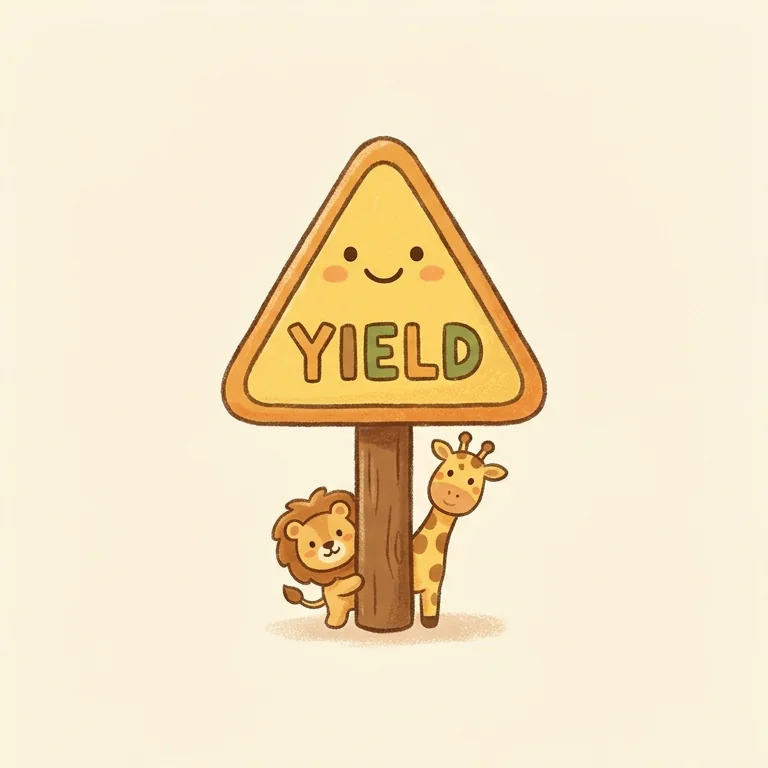
yield yeeld -
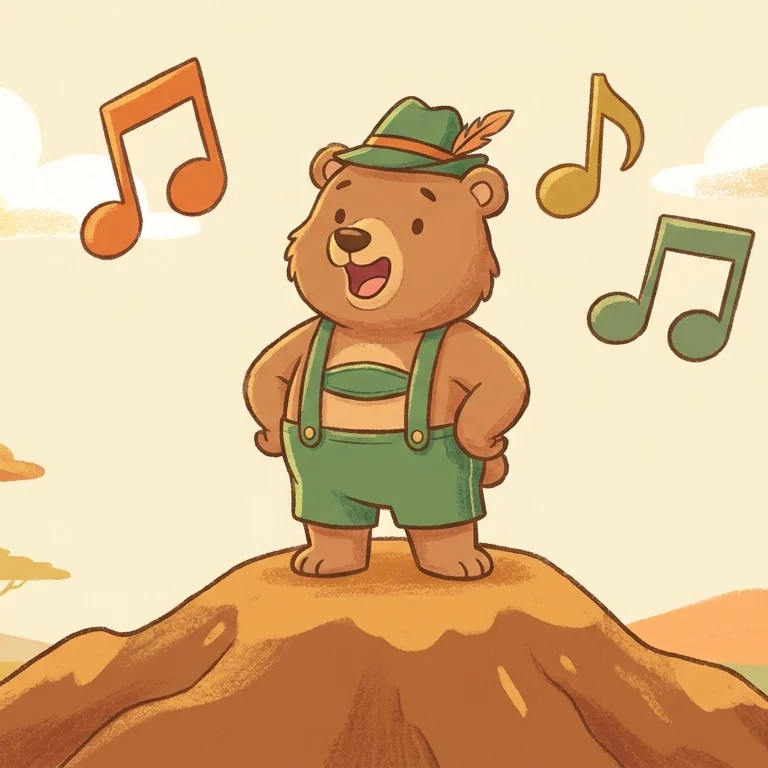
yodel yoh-dul -
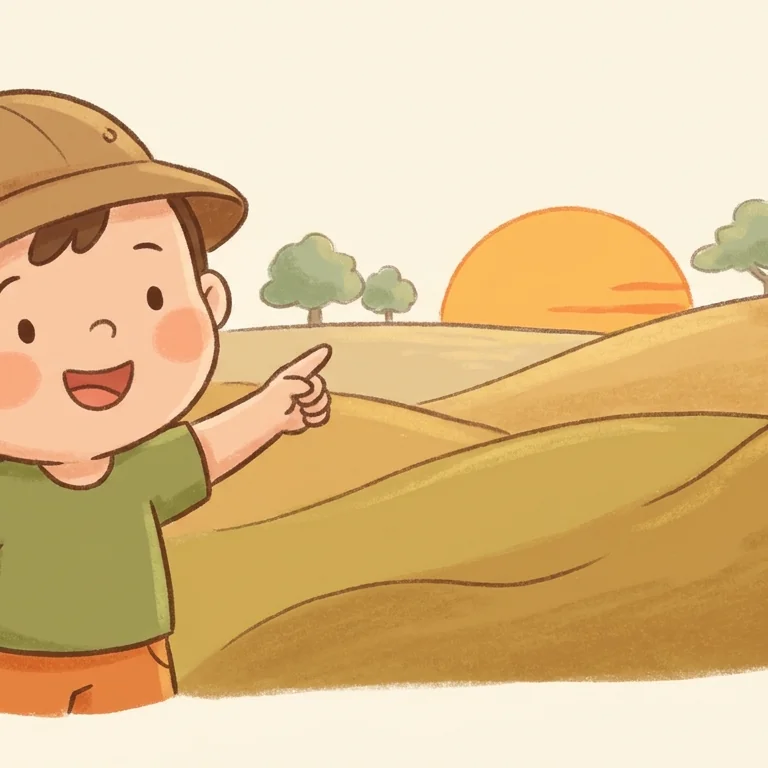
yonder yon-der -
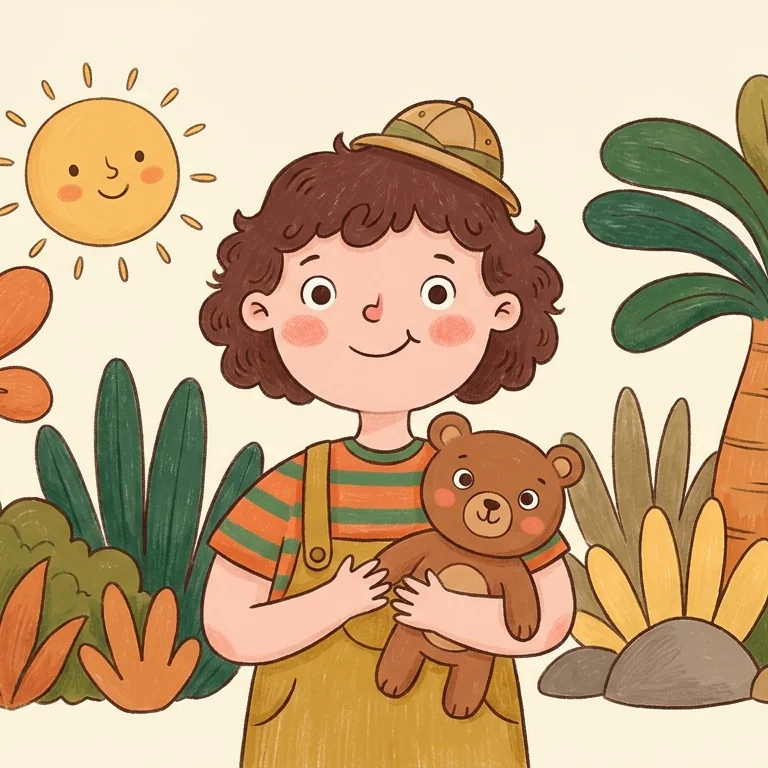
younger yung-ger -
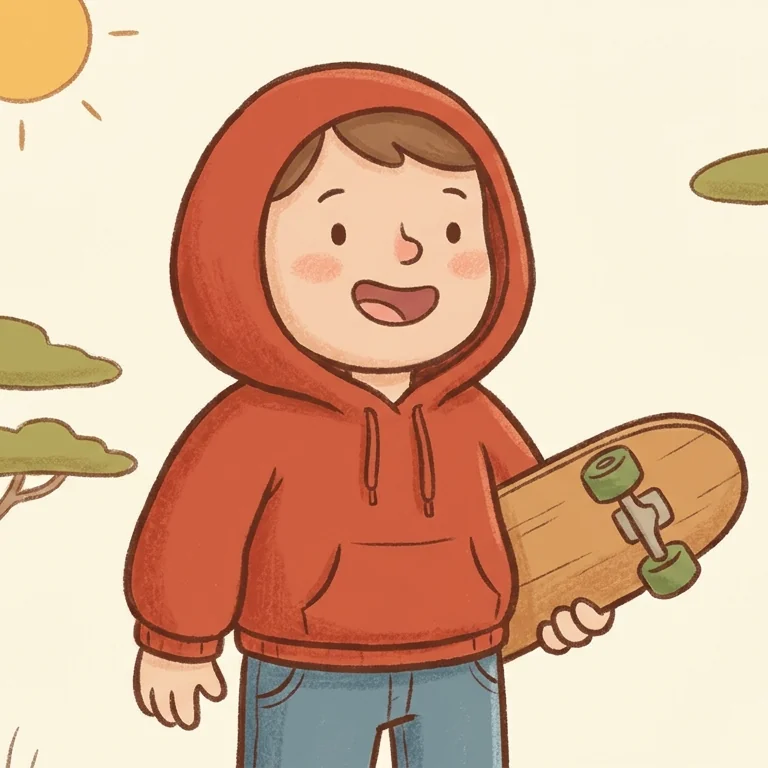
youth yooth -
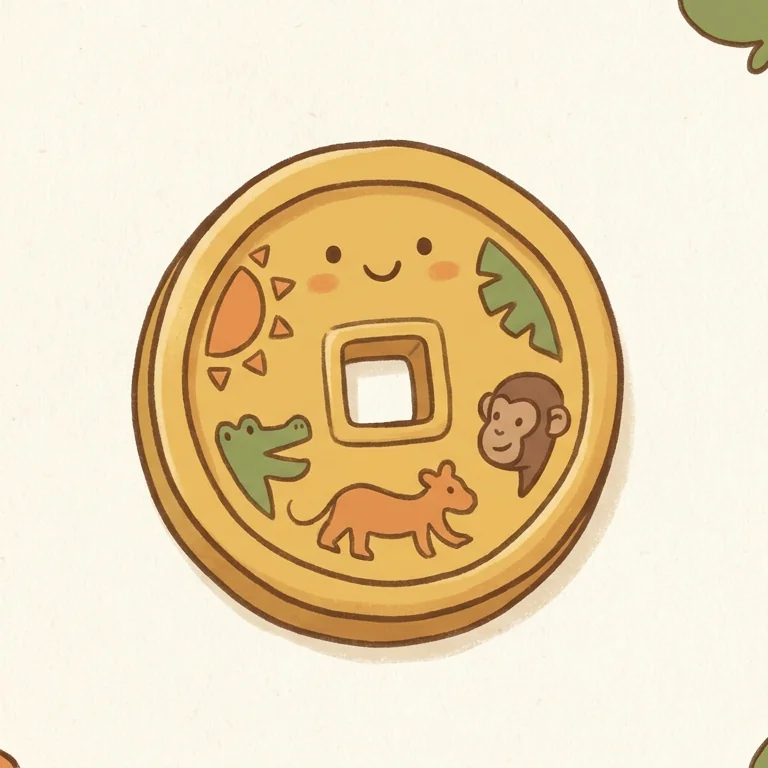
yuan yoo-ahn
Medial — /y/ in the middle of the word (26)
-
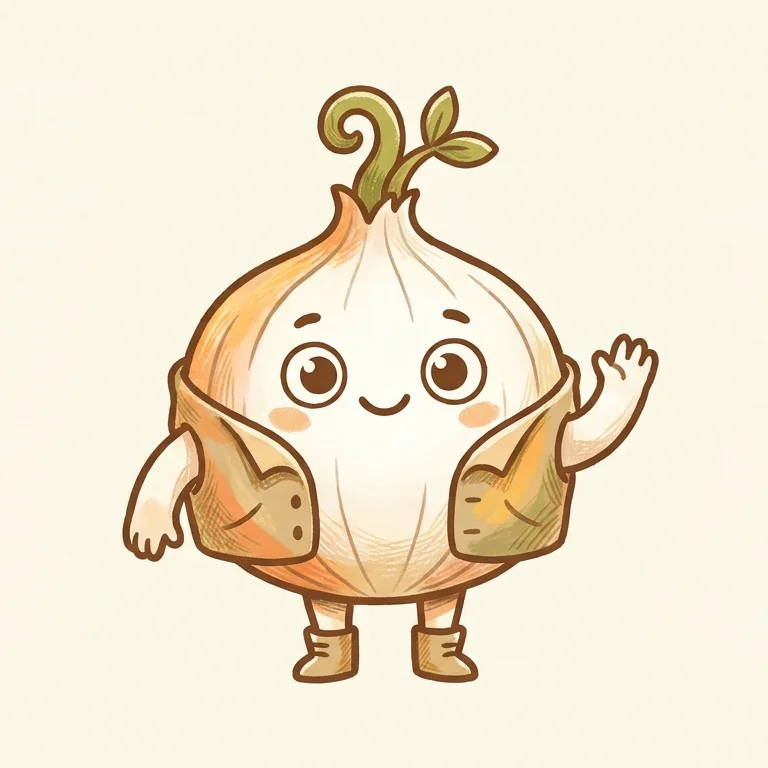
onion un-yun -

canyon kan-yun -
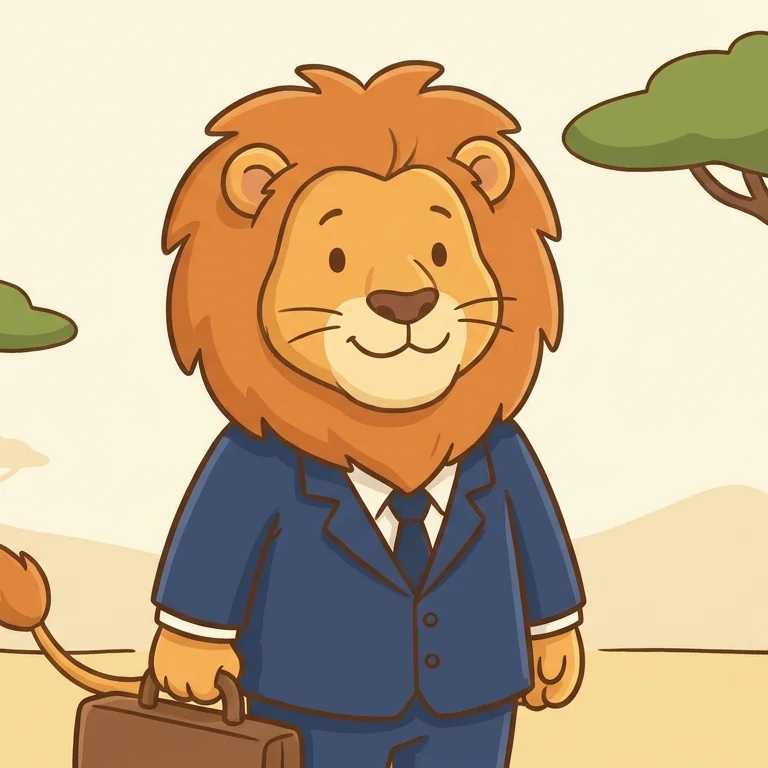
lawyer law-yer -
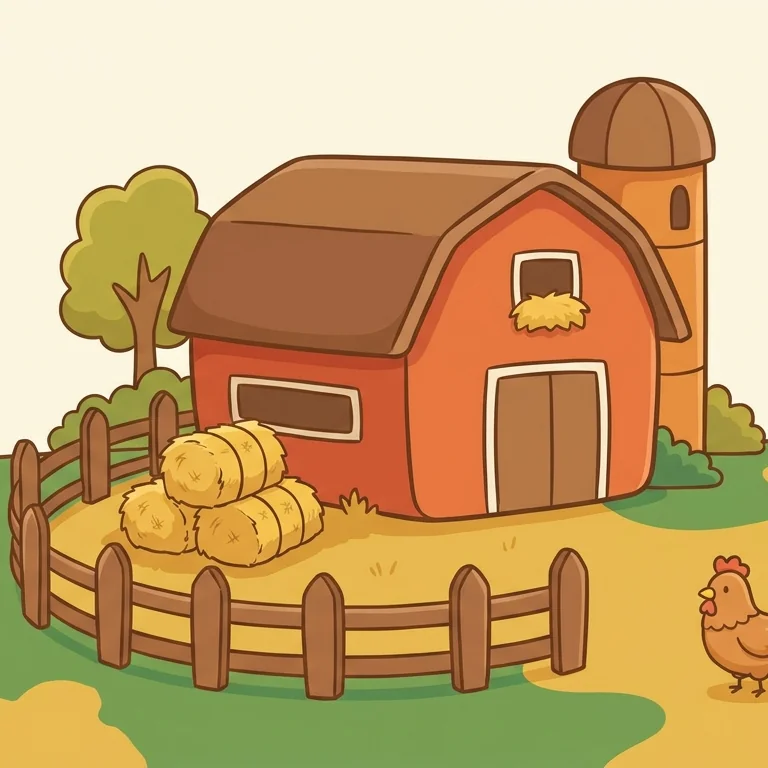
barnyard barn-yard -
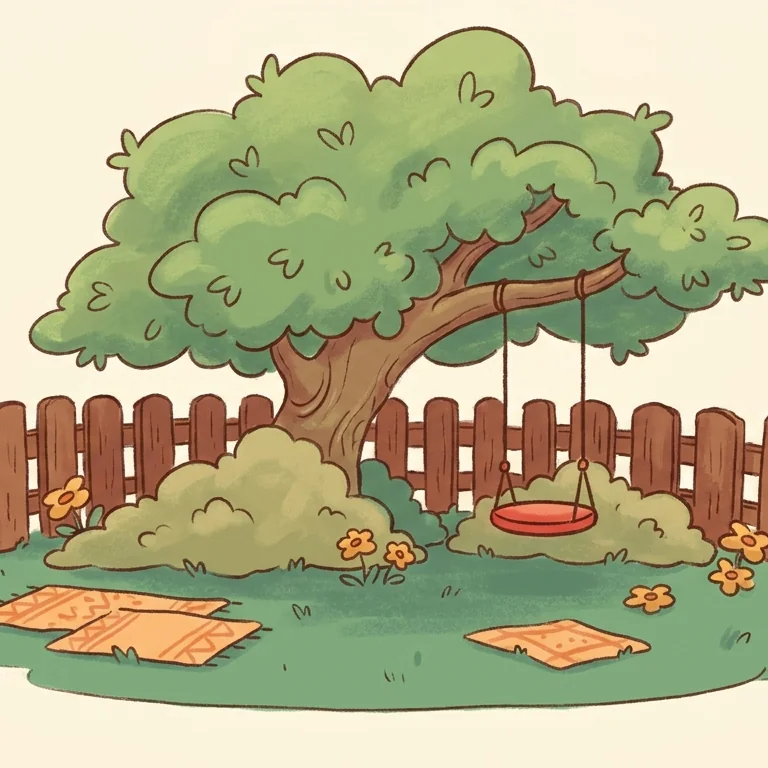
backyard bak-yard -
beyond bee-yond -

billion bil-yun -
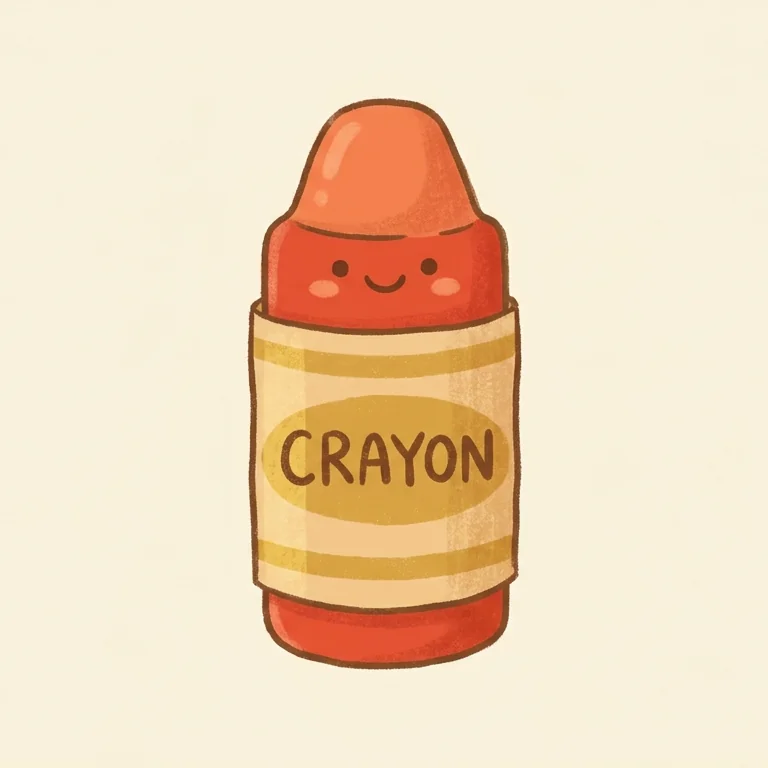
crayon kray-on -
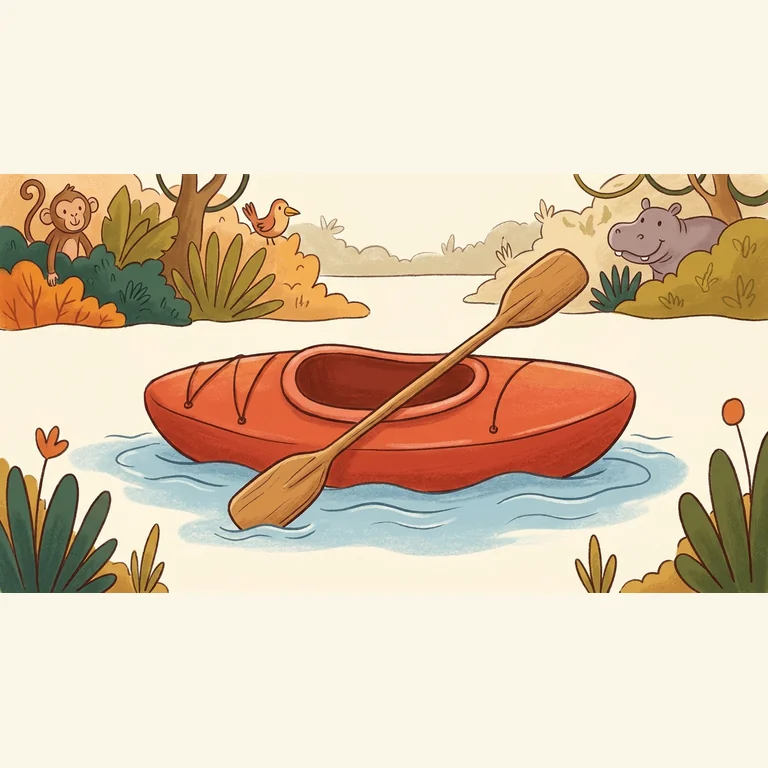
kayak ky-ak -
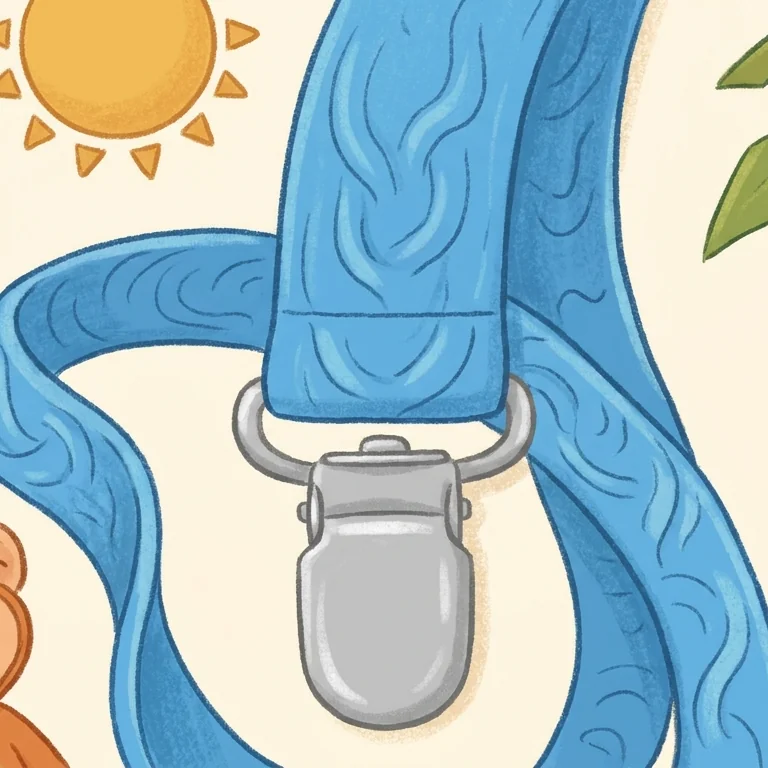
lanyard lan-yard -
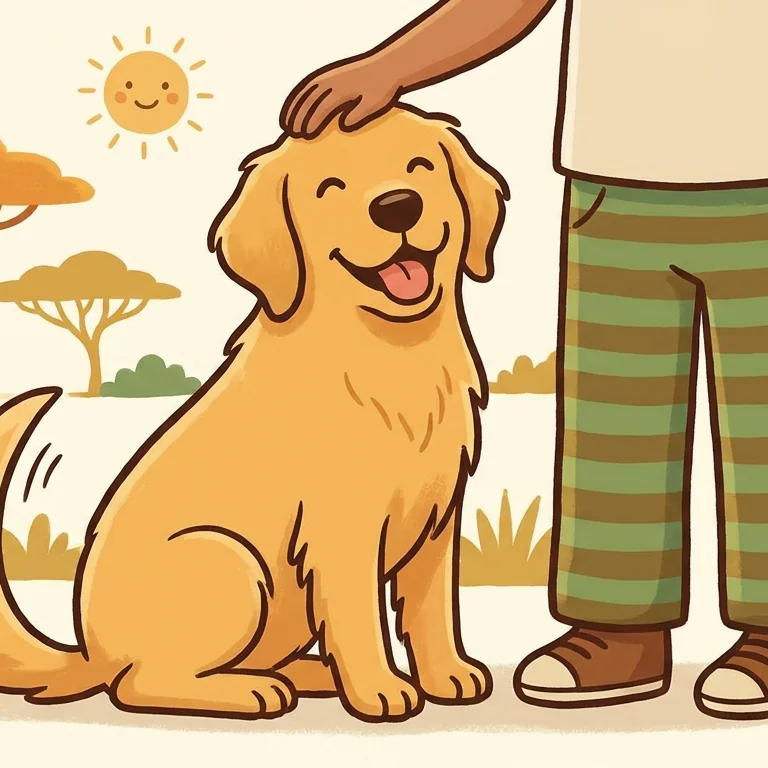
loyal loy-ul -
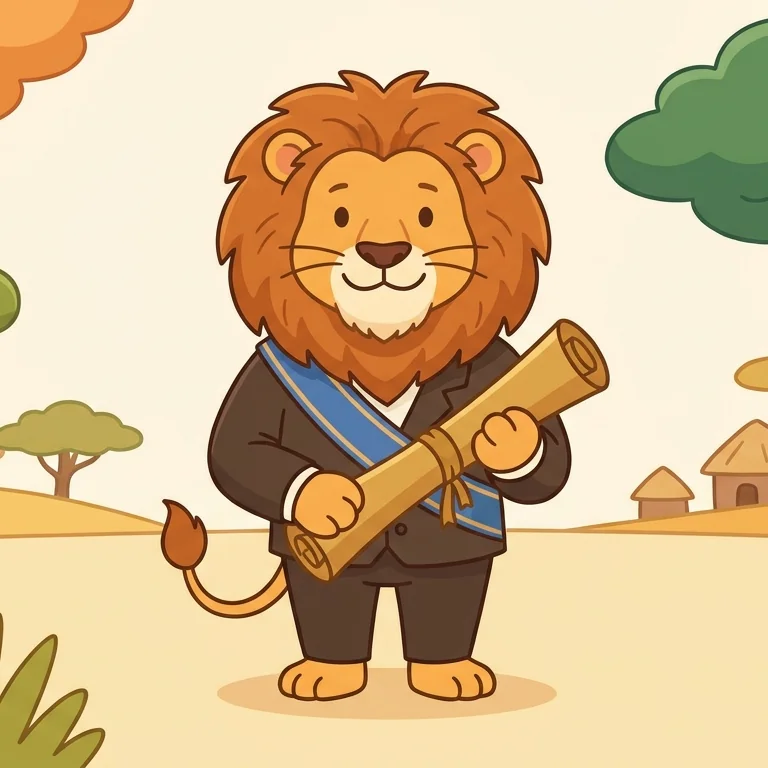
mayor may-er -

million mil-yun -
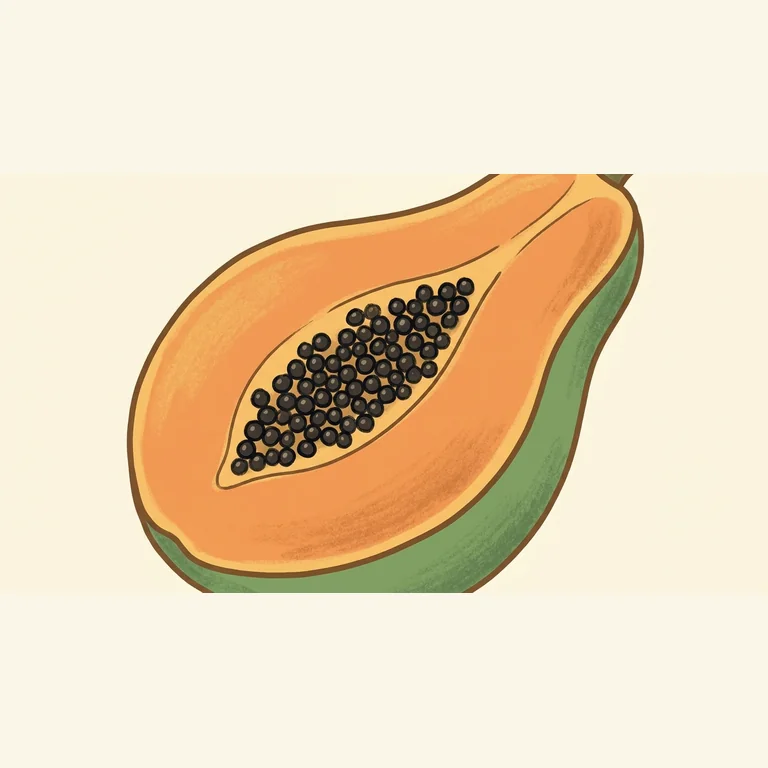
papaya puh-py-uh -
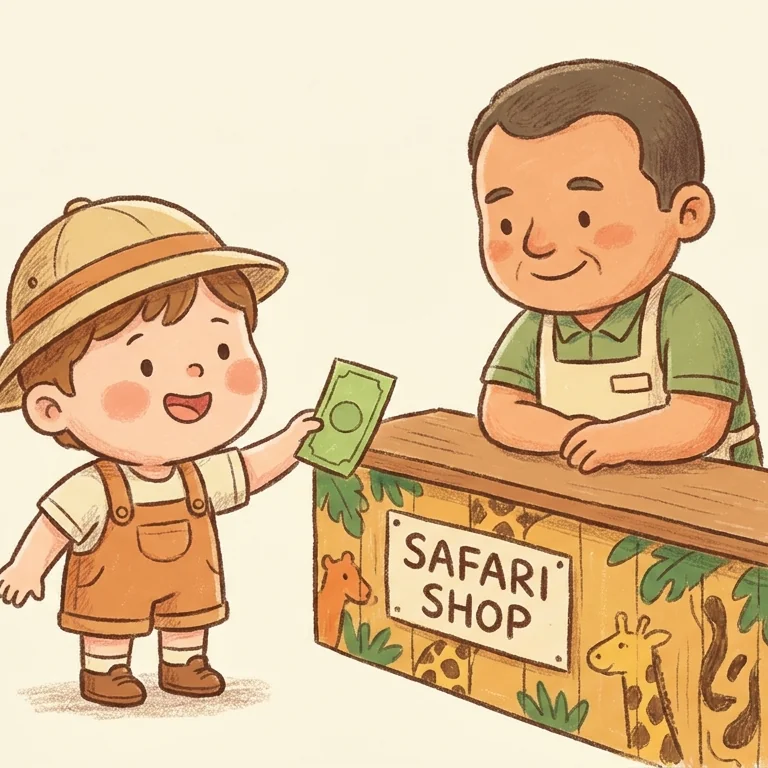
paying pay-ing -
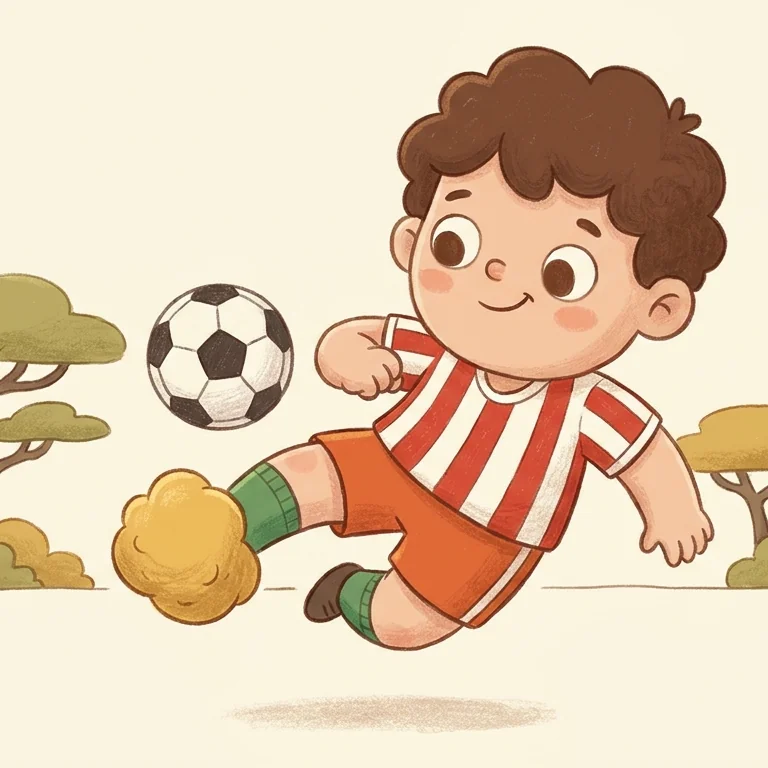
player play-er -
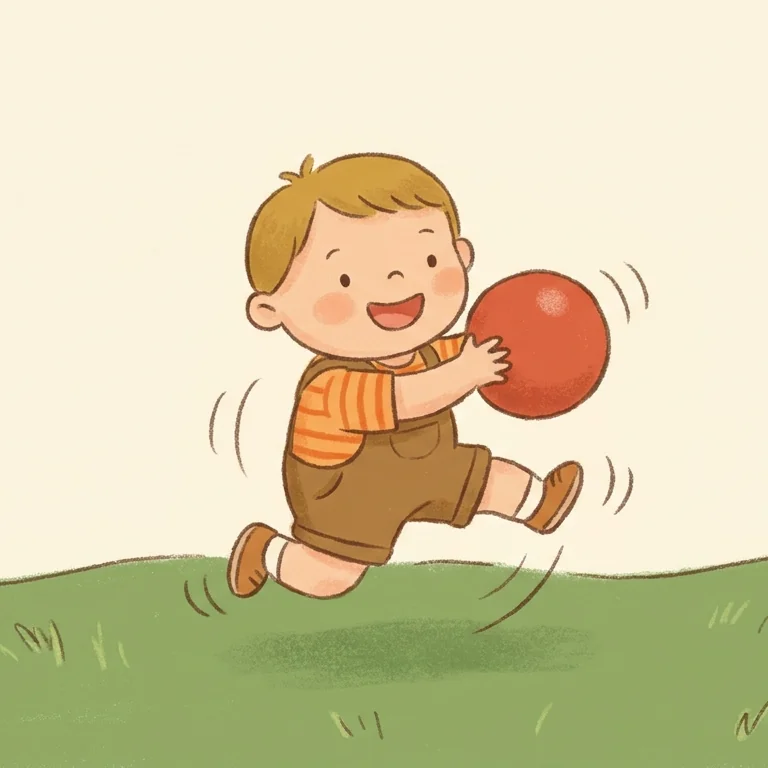
playing play-ing -
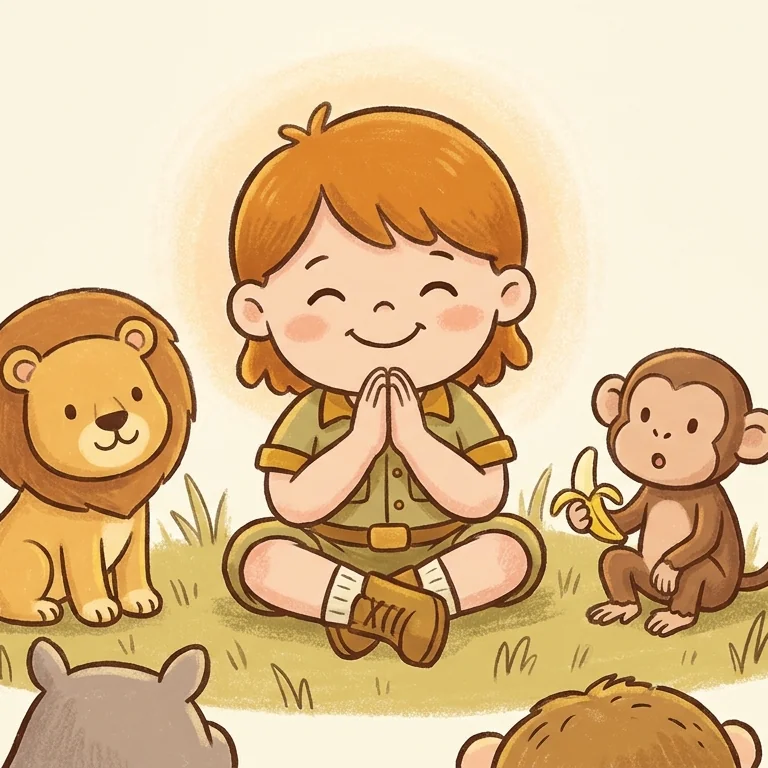
prayer pray-er -
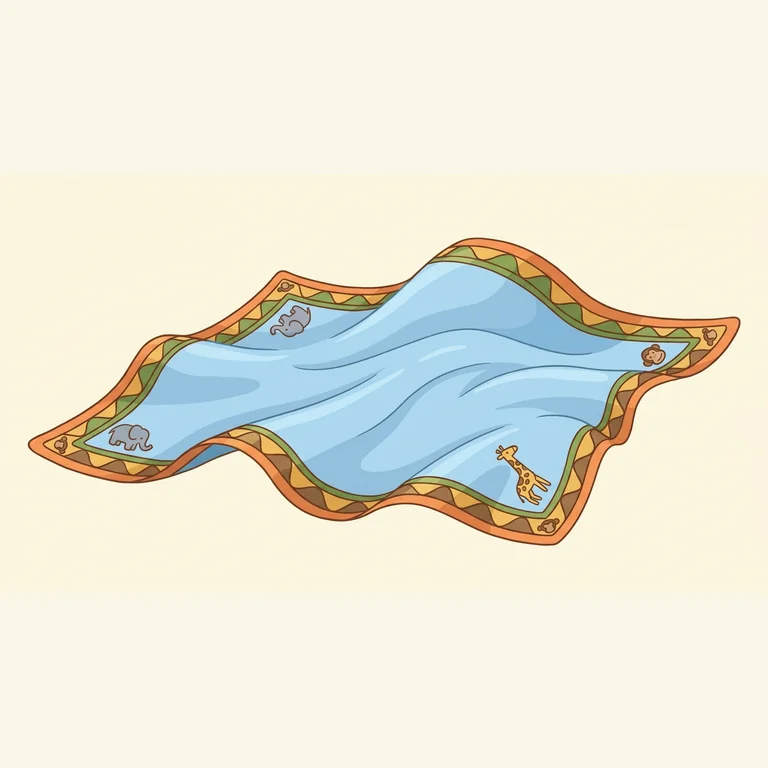
rayon ray-on -

royal roy-ul -
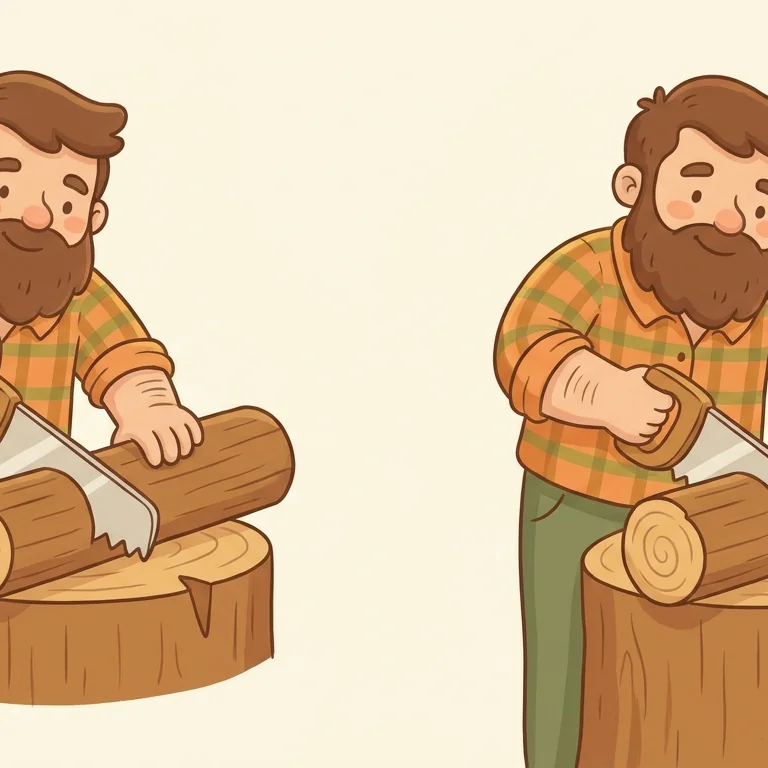
sawyer saw-yer -
saying say-ing -
slayer slay-er -
sprayer spray-er -
staying stay-ing -
swaying sway-ing
Minimal pairs for /y/
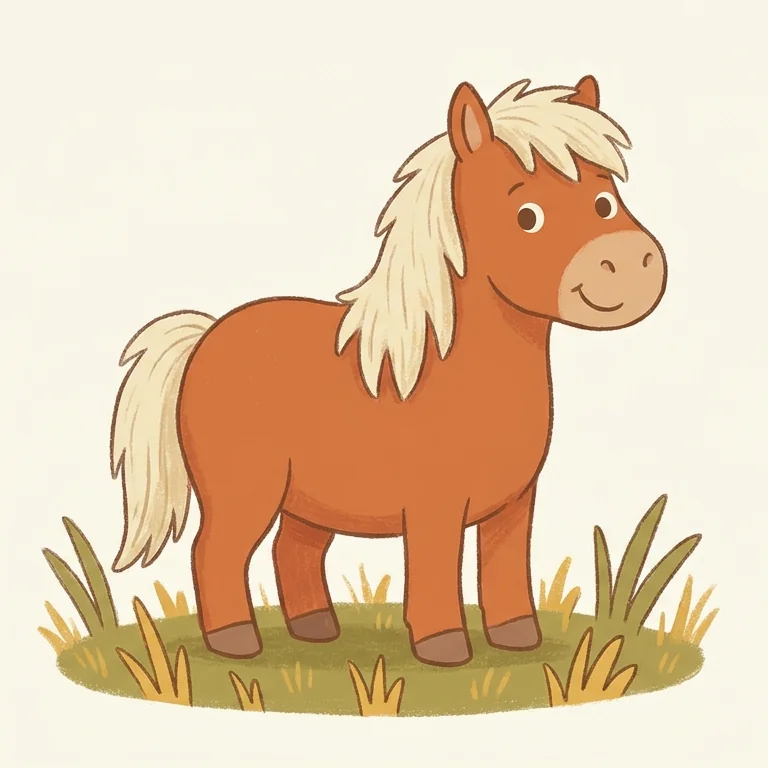
Minimal pairs differ by a single sound — the heart of phonological therapy. Tap a card to hear it, or tap “vs” to hear a pair back-to-back.
-
 Pony
Pony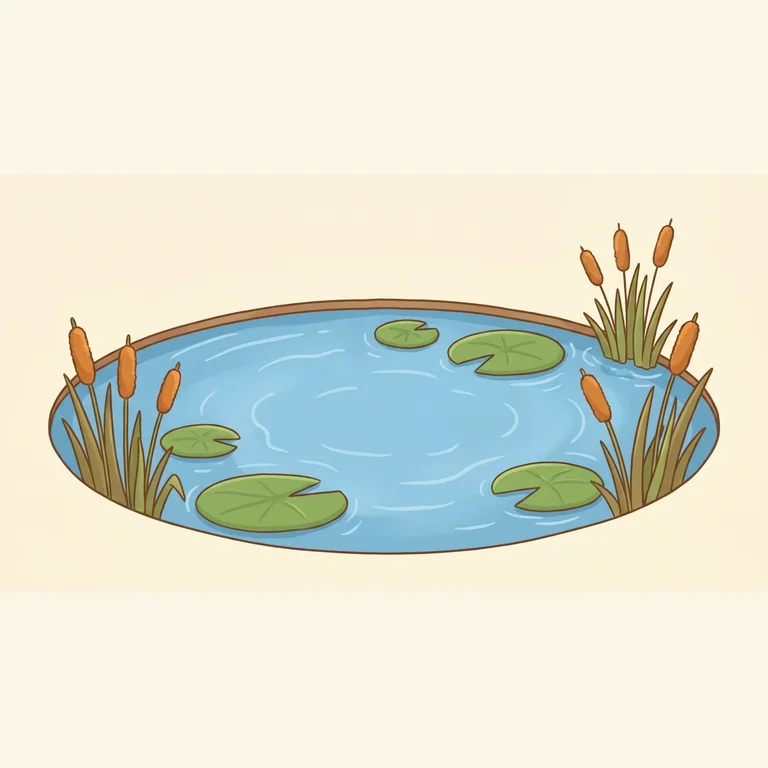 Pond
Pond
More /y/ minimal pairs — tap a contrast to explore
/y/ at the start · 5
- year deer
- your door
- yacht dot
- yucky ducky
- yummy dummy
/y/ at the end · 1
- pony pond
/y/ sound — frequently asked questions
At what age should my child say the /y/ sound? +
Most children produce /y/ correctly by age 4. About half can do it by age 2;6. /y/ is a mid-early developing sound.
Is it normal for my child to substitute /y/? +
Occasional substitutions ("wes" for "yes" or "es" for "yes") are common in early speech. By age 4, /y/ should be reliable.
Why might the /y/ sound be hard? +
/y/ requires a specific tongue blade position that the child can't easily see. Some children glide it to /w/ (lip-based) because it's more visible.
How can I help my child practice /y/ at home? +
Have them say "ee" with a big smile, then slide into vowels: "ee-ah, ee-oh, ee-oo". Play with /y/ words like "yes", "yo-yo", "yard", "yawn".
When should we see a speech therapist about /y/? +
If /y/ is being substituted or omitted past age 4, see an SLP.
Can older children and adults still correct /y/? +
Yes — /y/ is highly treatable at any age, though it rarely needs correction at older stages.
Related sounds
Sounds that pair, contrast, or are commonly confused with /y/.