 Sound Safari
Gliding
/r/ → /w/
Typically resolves on its own by around age 6; worth a check-in if it persists.
What helps →
Find their best /r/ context (often the "er" in butter) and build from there with a mirror.
Speech Sound Guide
The /r/ sound is one of the later sounds children master — typically by age 6. This guide covers when /r/ develops, what typically goes wrong, simple ways to practice it, and over 85 /r/ words organized by position.
Developmental norms — when the /r/ sound typically emerges and is mastered.
Source: McLeod & Crowe (2018); Crowe & McLeod (2020), AJSLP.
A child still substituting or distorting /r/ after age 6 is a good candidate for a speech-language evaluation — earlier if they're hard to understand or frustrated.
Sound Safari's 24-sound screener checks against the McLeod & Crowe norms above.
What typically goes wrong — and whether it's age-appropriate.
/r/ → /w/
Typically resolves on its own by around age 6; worth a check-in if it persists.
What helps →
Find their best /r/ context (often the "er" in butter) and build from there with a mirror.
/r/ → /y/
Typically resolves on its own by around age 6; worth a check-in if it persists.
What helps →
Practice slow, exaggerated tongue retraction; the "tiger growl" cue helps anchor the bunched position.
/r/ distortion
Worth a speech-language evaluation when noticed at any age.
What helps →
Use a mirror and a placement cue like "tiger growl" to find the bunched-tongue position; record and play back so the child hears the difference.
Practical starting points for parents and SLPs. Always follow your SLP's plan if your child is in therapy.
Every word from the Sound Safari practice library. The /r/ in each word is bolded.





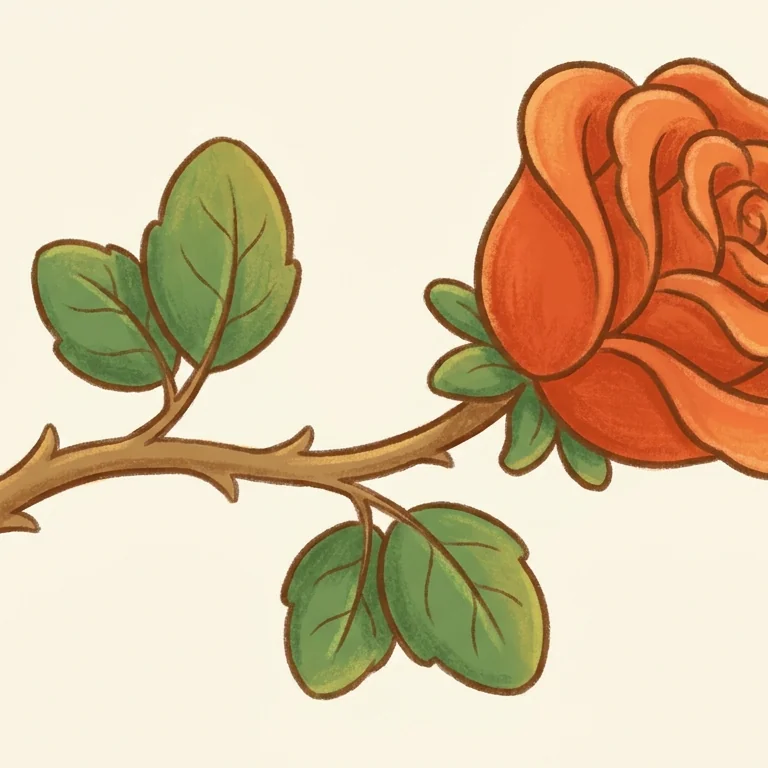

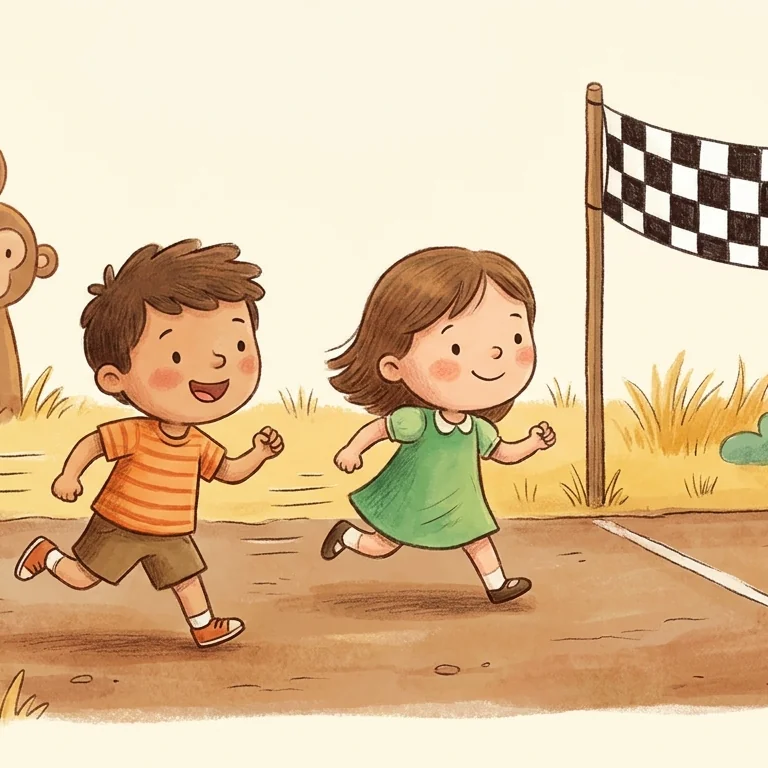
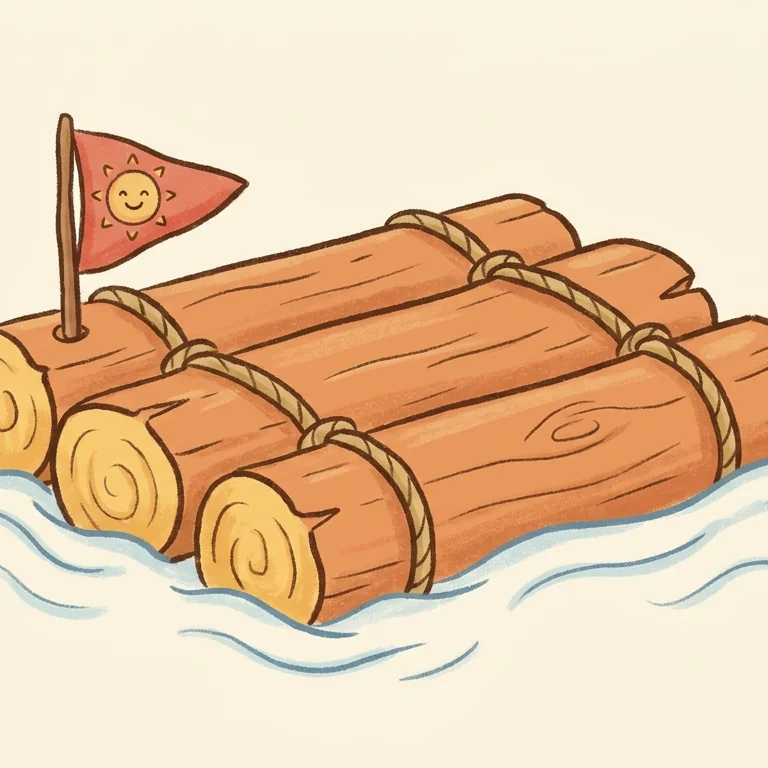
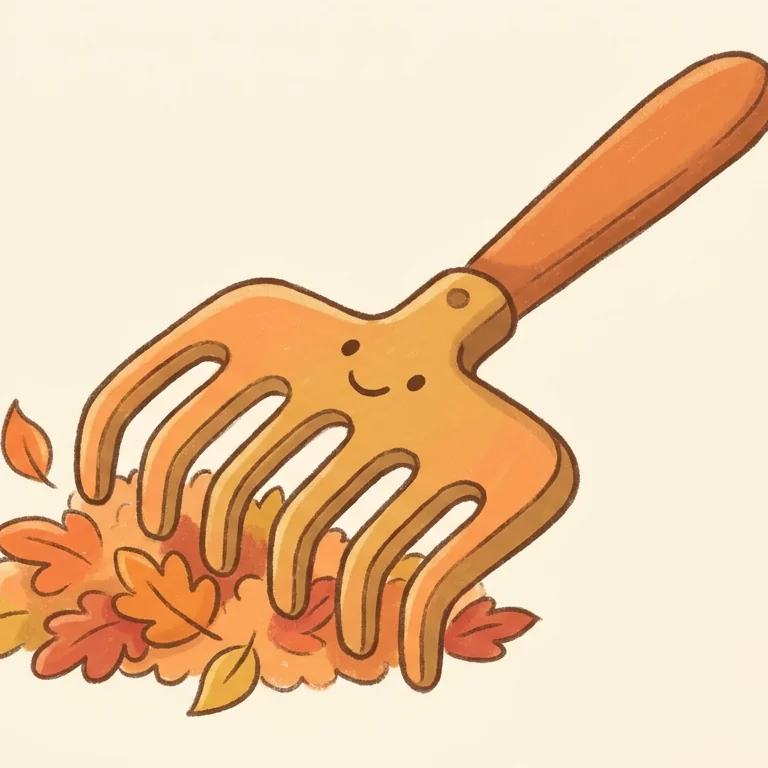




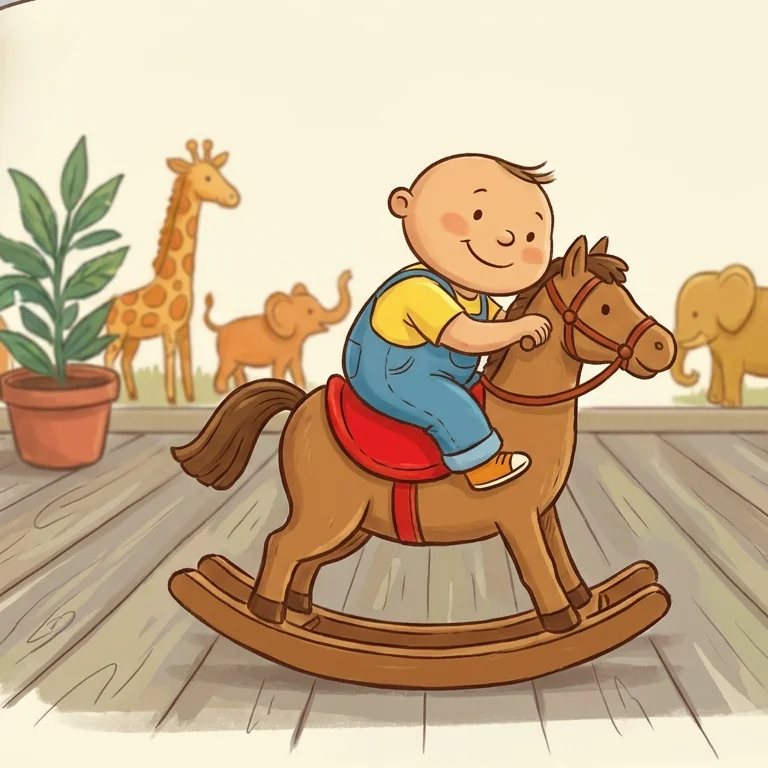






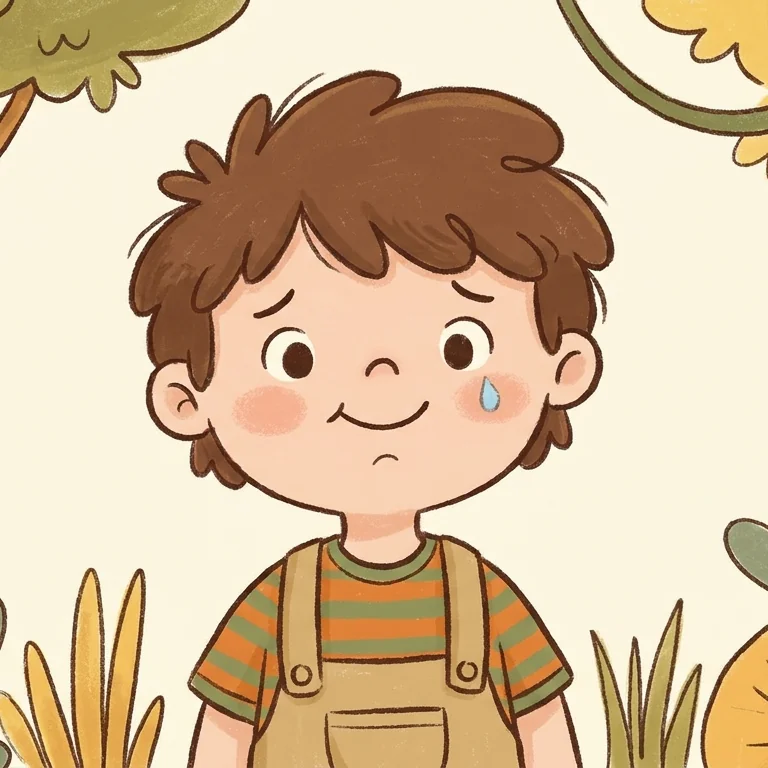
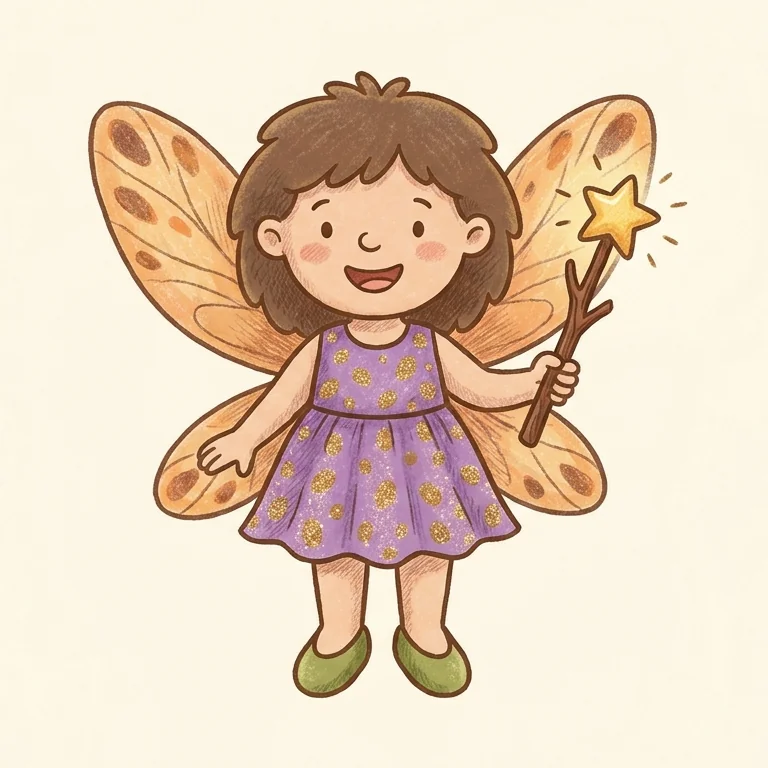
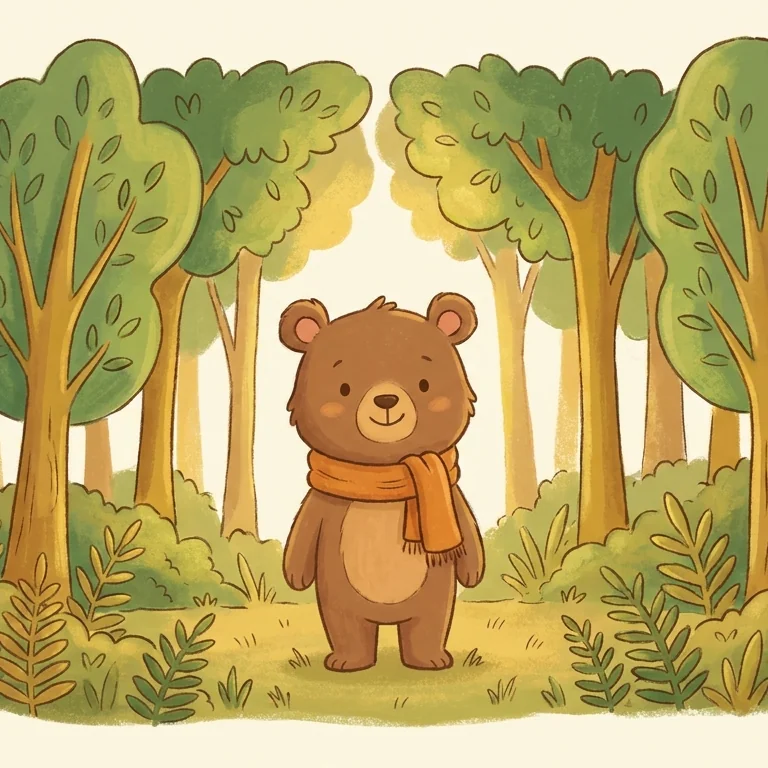
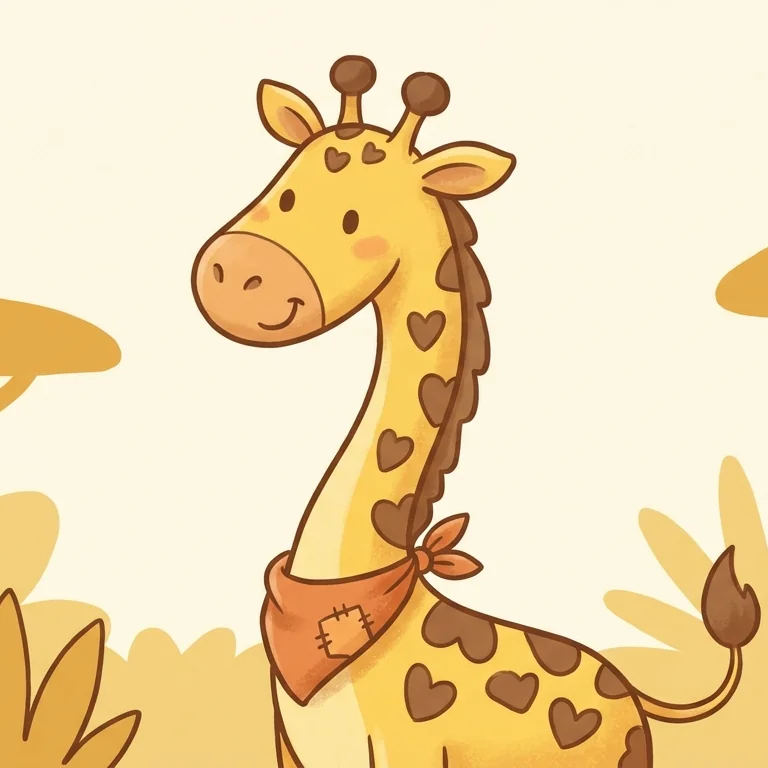

















Minimal pairs differ by a single sound — the heart of phonological therapy. Tap a card to hear it, or tap “vs” to hear a pair back-to-back.
More /r/ minimal pairs — tap a contrast to explore
/r/ at the start · 14
/r/ in the middle · 19
/r/ at the end · 7
A starting point for SLPs writing articulation goals — across the six therapy levels.
Goal progression — tap a level to see the goal
Sample goal — word level
"Given a verbal model, [student] will produce /r/ in the initial position of words with 80% accuracy across 3 consecutive sessions."
Sound Safari logs every trial against your goals and writes the SOAP note for you.
Most children produce /r/ correctly by age 6. About half can do it by age 4. Earlier substitutions — like "w" for "r" — are a normal part of development.
Yes. Replacing /r/ with /w/ ("wabbit" for "rabbit") is called gliding and is developmentally typical through about age 5–6. If it continues past age 6, it's worth a speech-language evaluation.
/r/ has many forms — consonantal /r/ plus seven r-colored vowel contexts — and the tongue posture is hidden inside the mouth, so it's hard for children to see and copy.
Start where they already succeed, use a mirror, try a placement cue, and practice with the word lists above a few minutes at a time. See the "How to practice" section for step-by-step guidance.
If /r/ errors persist past age 6, or sooner if your child is frequently misunderstood or frustrated by their speech.
Yes. /r/ is treatable at any age. It can take focused, consistent practice, but clear /r/ is an achievable goal well beyond childhood.
Sounds that pair, contrast, or are commonly confused with /r/.
 Tap on iPhone or iPad