Sound Safari Sound Safari

Speech Sound Guide

The K Sound: Norms, Challenges & Word Lists

The /k/ sound typically develops by age 4. This guide covers when /k/ develops, what typically goes wrong, simple ways to practice it, and over 85 /k/ words organized by position.

When should a child say /k/?

Developmental norms — when the /k/ sound typically emerges and is mastered.

4
Age of 90% mastery
years;months notation
50% mastery
Age 3
90% mastery
Age 4
Manner
stop Stop sounds briefly block the airflow, then release (like /p/, /t/, /k/).
Voicing
Voiceless Voiceless sounds don't vibrate the vocal cords — just air, no buzz.
Where /k/ falls on the speech-sound timeline
2 yrs4 yrs6 yrs8 yrs

Source: McLeod & Crowe (2018), AJSLP.

A child still substituting or distorting /k/ after age 4 is a good candidate for a speech-language evaluation — earlier if they're hard to understand or frustrated.

Find out where /k/ stands — in 5 minutes

Sound Safari's 23-sound screener checks against the McLeod & Crowe norms above.

Try the screener

Common challenges with /k/

What typically goes wrong — and whether it's age-appropriate.

Fronting

/k/ → /t/

Typically resolves on its own by around age 4; worth a check-in if it persists.

What helps →

Pull the tongue BACK — /k/ uses the back of the tongue against the soft palate. Try lying the child on their back so gravity helps the tongue drop back.
Try these /k/ words ↓

Voicing

/k/ → /g/

Worth a speech-language evaluation when noticed at any age.

What helps →

Touch the throat — /k/ is silent, /g/ buzzes. /k/ should be a quick, dry release with no voice.

Try these /k/ words ↓

How to practice the /k/ sound

Practical starting points for parents and SLPs. Always follow your SLP's plan if your child is in therapy.

  1. 1 Pull the tongue back. /k/ is made by the back of the tongue touching the soft palate at the back of the mouth. Most kids who substitute /t/ are using the tongue tip instead — the back has to do the work.
  2. 2 Lie down to help. Having the child lie on their back can help — gravity pulls the tongue back, making it easier to find the /k/ position. Practice "k-ah" lying down first.
  3. 3 Quick + silent. /k/ is a fast, dry release with no voice. Touch the throat — there should be no buzz. Compare with /g/ (buzzy) to feel the contrast.
  4. 4 Practice with vowels. Attach /k/ to vowels: "k-ah", "k-ee", "k-oh", then full words "cat", "cup", "car". Easier vowels first (back vowels like "oh").
  5. 5 Minimal pairs — /k/ vs /t/. Use pairs like cat/tat, cap/tap, key/tea so the child hears /k/ vs /t/ and feels the placement difference.

/k/ word lists by position over 85 words

Every word from the Sound Safari practice library. The /k/ in each word is bolded.

Initial — /k/ at the start of the word (29)

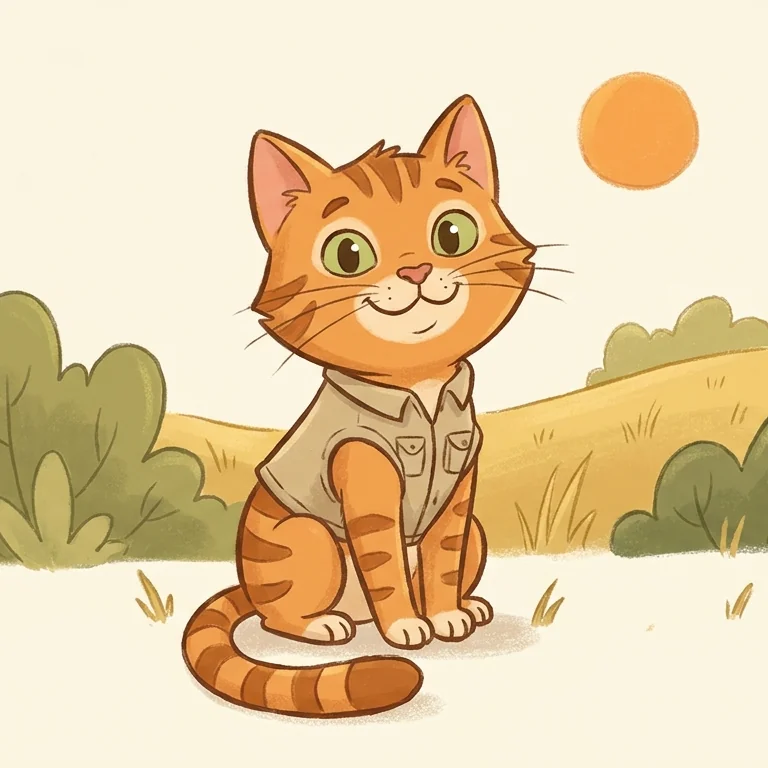
cat
cat
kat
cow
cow
kow
cake
cake
kayk
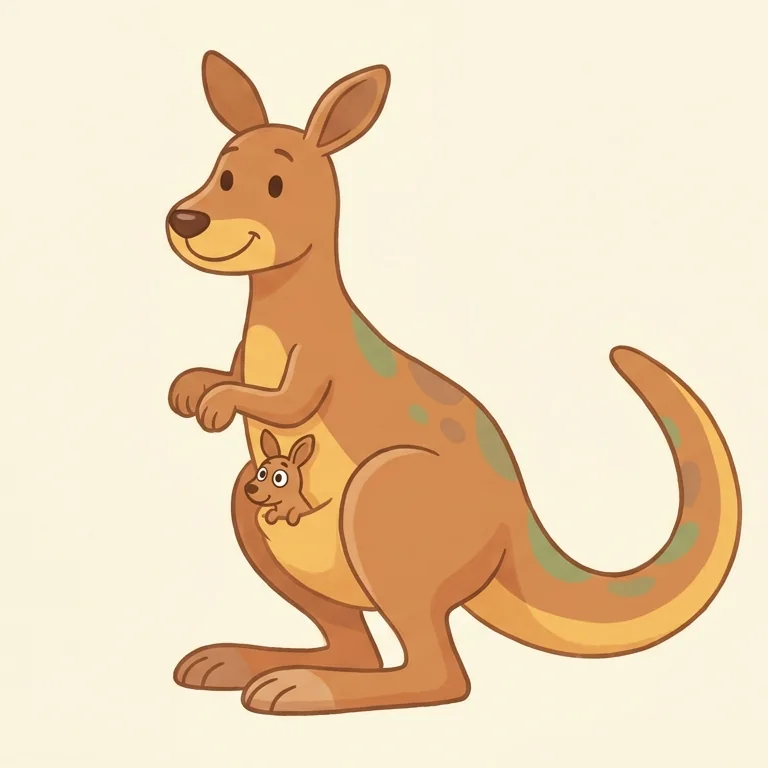
kangaroo
kangaroo
kang-guh-roo
king
king
king
kite
kite
kyt
koala
koala
koh-ah-luh
cab
cab
kab
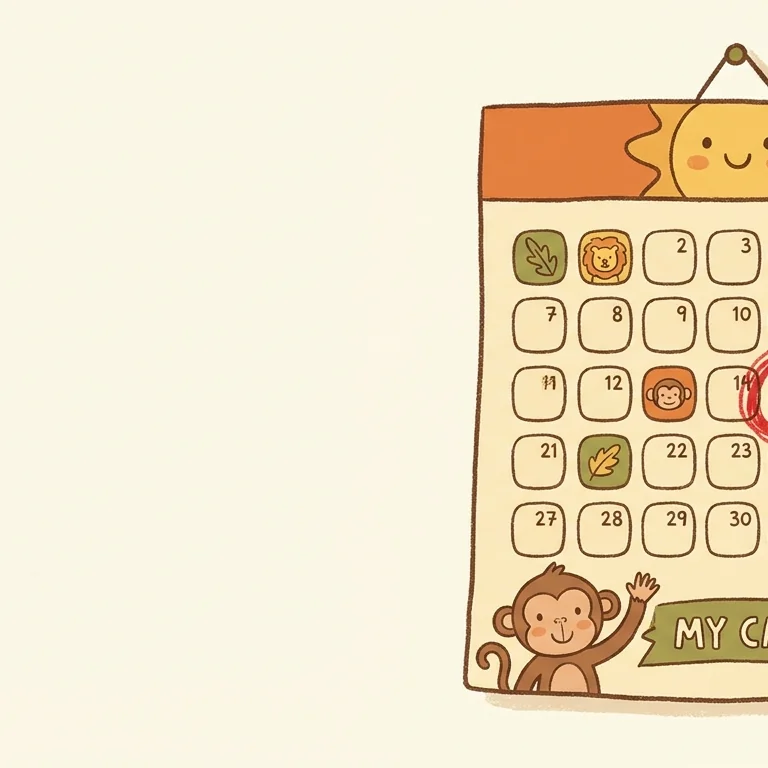
calendar
calendar
kal-en-der
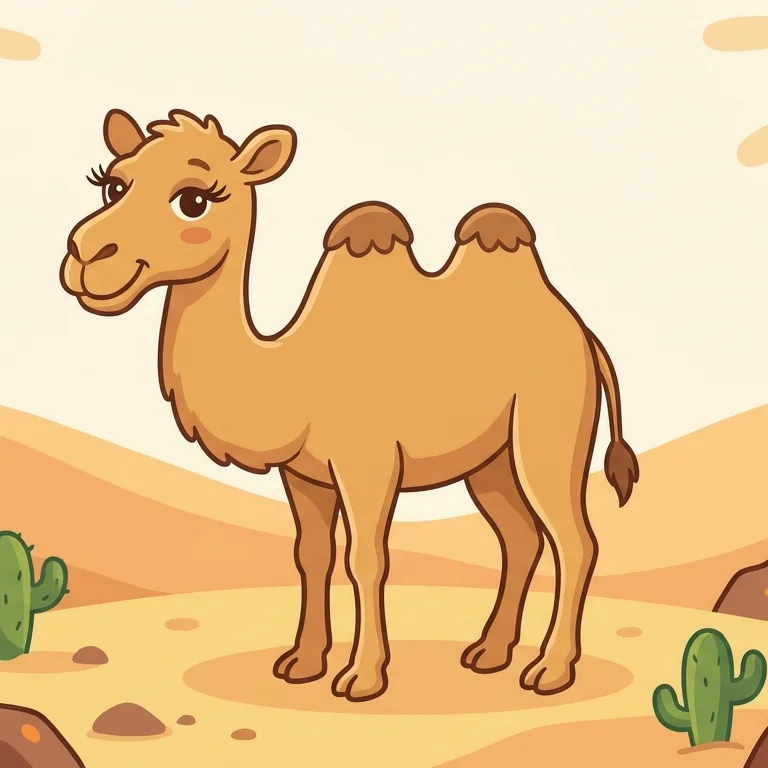
camel
camel
kam-ul
camera
camera
kam-er-uh
candle
candle
kan-dul
candy
candy
kan-dee
cap
cap
kap
car
car
kar
card
card
kard
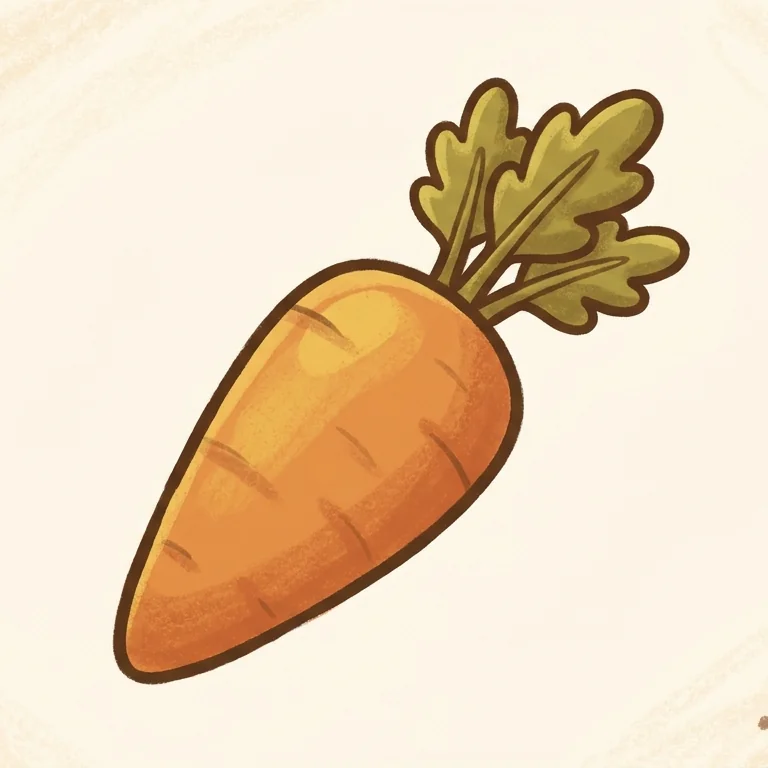
carrot
carrot
kar-ut
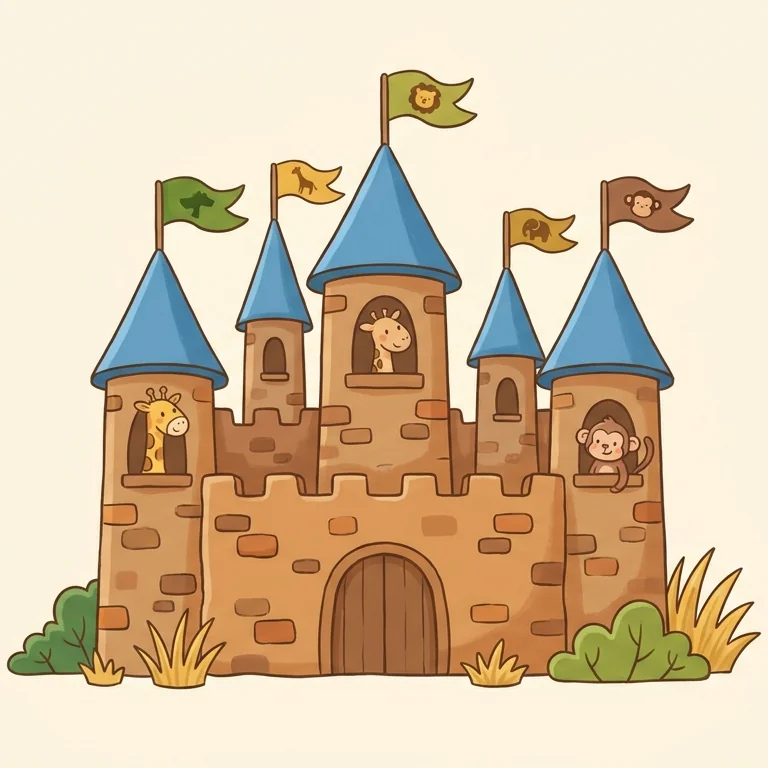
castle
castle
kas-ul
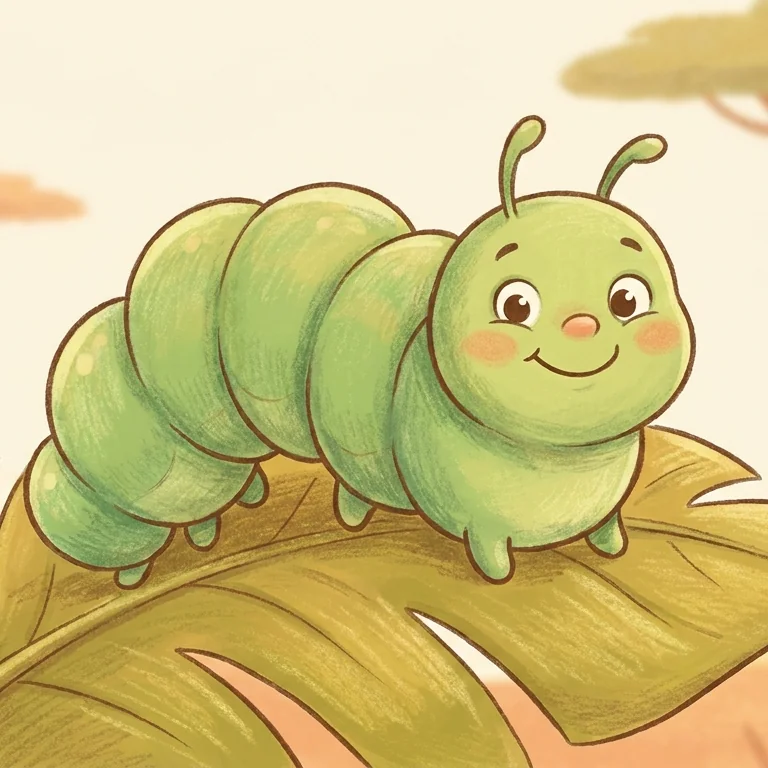
caterpillar
caterpillar
kat-er-pil-er
coin
coin
koyn
cookie
cookie
koo-kee
corn
corn
korn
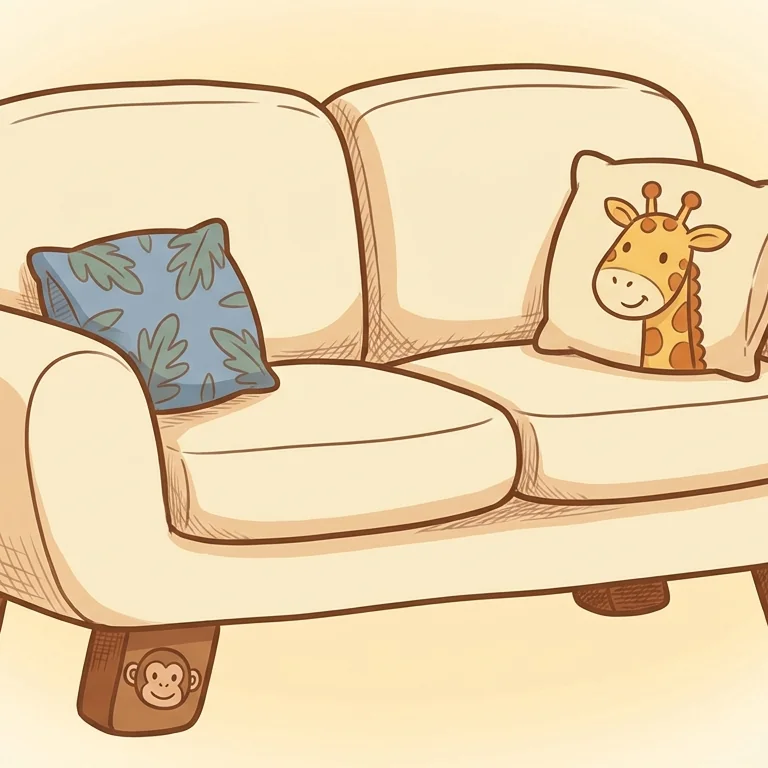
couch
couch
kowch
crab
crab
krab
crown
crown
krown
cup
cup
kup
cupcake
cupcake
kup-kayk
key
key
kee
kitten
kitten
kit-en

Medial — /k/ in the middle of the word (29)

monkey
monkey
mun-kee
chicken
chicken
chik-en
rocket
rocket
rok-et
bacon
bacon
bay-kun
jacket
jacket
jak-et
acorn
acorn
ay-korn
baker
baker
bay-ker
basket
basket
bas-ket
blanket
blanket
blank-et
broccoli
broccoli
brok-uh-lee
bucket
bucket
buk-et
checker
checker
chek-er
cracker
cracker
krak-er
cricket
cricket
krik-et
doctor
doctor
dok-ter
icky
icky
ik-ee
locker
locker
lok-er
lucky
lucky
luk-ee
necklace
necklace
nek-lus
package
package
pak-ij
picnic
picnic
pik-nik
pocket
pocket
pok-et
soccer
soccer
sok-er
sticker
sticker
stik-er
sticky
sticky
stik-ee
tractor
tractor
trak-ter
tricky
tricky
trik-ee
turkey
turkey
tur-kee
wicker
wicker
wik-er

Final — /k/ at the end of the word (29)

book
book
book
duck
duck
duk
truck
truck
truk
shark
shark
shark
milk
milk
milk
snack
snack
snak
back
back
bak
beak
beak
beek
black
black
blak
block
block
blok
brick
brick
brik
cake
cake
kayk
check
check
chek
chick
chick
chik
clock
clock
klok
cook
cook
kook
crack
crack
krak
kick
kick
kik
lake
lake
layk
lock
lock
lok
neck
neck
nek
pack
pack
pak
pick
pick
pik
rock
rock
rok
sick
sick
sik
snake
snake
snayk
sock
sock
sok
stack
stack
stak
stick
stick
stik

IEP goals for /k/

A starting point for SLPs writing articulation goals — across the six therapy levels.

Goal progression — tap a level to see the goal

Sample goal — word level

"Given a verbal model, [student] will produce /k/ in the initial position of words with 80% accuracy across 3 consecutive sessions."

See 5 SMART /k/ goal templates (one per level) →

Track /k/ progress automatically

Sound Safari logs every trial against your goals and writes the SOAP note for you.

Show me how

/k/ sound — frequently asked questions

At what age should my child say the /k/ sound? +

Most children produce /k/ correctly by age 4. About half can do it by age 3. /k/ develops alongside other early stops.

Is it normal for my child to say "t" for "k"? +

Yes — fronting (saying "t" for "k", like "tat" for "cat") is one of the most common phonological processes. It's developmentally typical up to about age 3;6. If it persists past age 4, it's worth a check-in.

Why is the /k/ sound hard? +

/k/ requires the back of the tongue to move, which children can't see in a mirror. Many kids substitute /t/ (using the tongue tip, which IS visible) until they learn to move the back.
How can I help my child practice /k/ at home? +

Have them lie on their back to help the tongue drop back, practice "k-ah" with a back vowel first, and use minimal pairs (cat/tat) to train placement.

When should we see a speech therapist about /k/? +

If /k/ is still being replaced with /t/ or /g/ after age 4, see an SLP. Fronting is one of the most common — and most treatable — patterns.

Can older children and adults still correct /k/? +

Yes — /k/ responds well to direct instruction at any age. The back-of-tongue placement is teachable once the child understands the target.

Try Sound Safari free for 14 days