Sound Safari Sound Safari

Speech Sound Guide

The V Sound: Norms, Challenges & Word Lists

The /v/ sound typically develops by age 5. This guide covers when /v/ develops, what typically goes wrong, simple ways to practice it, and over 90 /v/ words organized by position.

When should a child say /v/?

Developmental norms — when the /v/ sound typically emerges and is mastered.

5
Age of 90% mastery
years;months notation
50% mastery
Age 4
90% mastery
Age 5
Manner
fricative Fricatives are made by forcing air through a narrow gap — they hiss or buzz (like /s/, /f/, /sh/).
Voicing
Voiced Voiced sounds vibrate the vocal cords. Put your hand on your throat — voiced sounds buzz.
Where /v/ falls on the speech-sound timeline
2 yrs4 yrs6 yrs8 yrs

Source: McLeod & Crowe (2018), AJSLP.

A child still substituting or distorting /v/ after age 5 is a good candidate for a speech-language evaluation — earlier if they're hard to understand or frustrated.

Find out where /v/ stands — in 5 minutes

Sound Safari's 23-sound screener checks against the McLeod & Crowe norms above.

Try the screener

Common challenges with /v/

What typically goes wrong — and whether it's age-appropriate.

Stopping

/v/ → /b/

Typically resolves on its own by around age 4; worth a check-in if it persists.

What helps →

Stretch /v/ as a long buzzy "vvvv" — /v/ is a fricative (held), /b/ is a stop (quick pop). Have the child feel the buzz on their lip.

Try these /v/ words ↓

Devoicing

/v/ → /f/

Typically resolves on its own by around age 4; worth a check-in if it persists.

What helps →

Touch the throat — /v/ buzzes, /f/ is silent. Have the child feel the vocal cord vibration on each /v/.

Try these /v/ words ↓

How to practice the /v/ sound

Practical starting points for parents and SLPs. Always follow your SLP's plan if your child is in therapy.

  1. 1 Bottom lip to top teeth, voice on. /v/ is made by lightly touching the top teeth to the bottom lip — same position as /f/ — but with the voice on, producing a buzz.
  2. 2 Feel the lip buzz. /v/ should make the bottom lip buzz. Touch the throat too — it should vibrate. Both signals confirm /v/ (not /f/).
  3. 3 Stretch it long. /v/ is a fricative — it can be held. Practice "vvvvv" while the lip-and-teeth position stays still. Breaks the stopping-to-/b/ habit.
  4. 4 Practice with vowels. Attach /v/ to vowels: "v-ah", "v-ee", "v-oh", then "van", "vase", "vine".
  5. 5 Minimal pairs. Use pairs like vine/fine, vase/face, vest/best to train both voicing (v vs f) AND manner (v vs b).

/v/ word lists by position over 90 words

Every word from the Sound Safari practice library. The /v/ in each word is bolded.
Initial — /v/ at the start of the word (30)

van
van
van
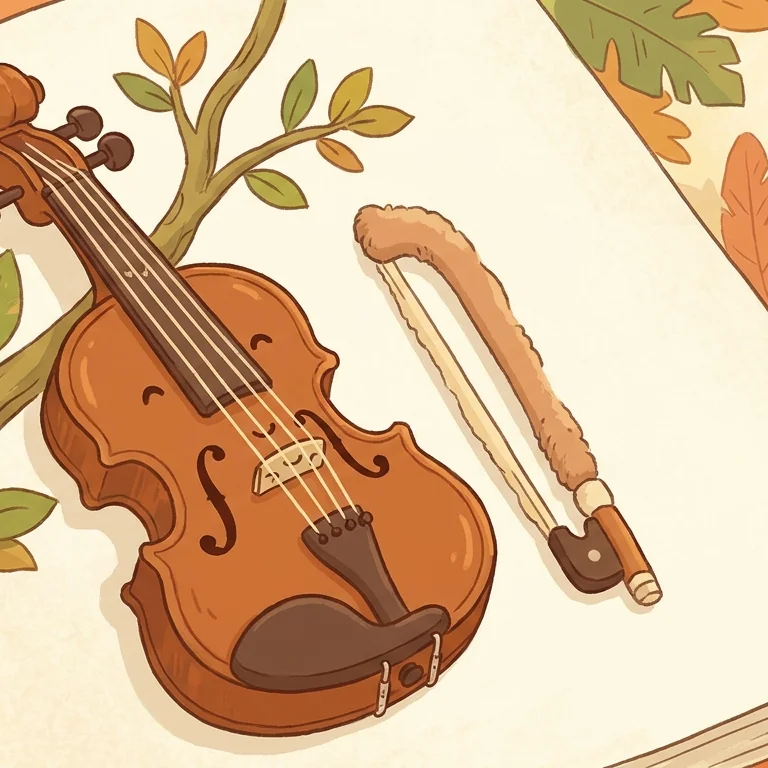
violin
violin
vy-uh-lin
volcano
volcano
vol-kay-noh
vegetable
vegetable
vej-tuh-bul
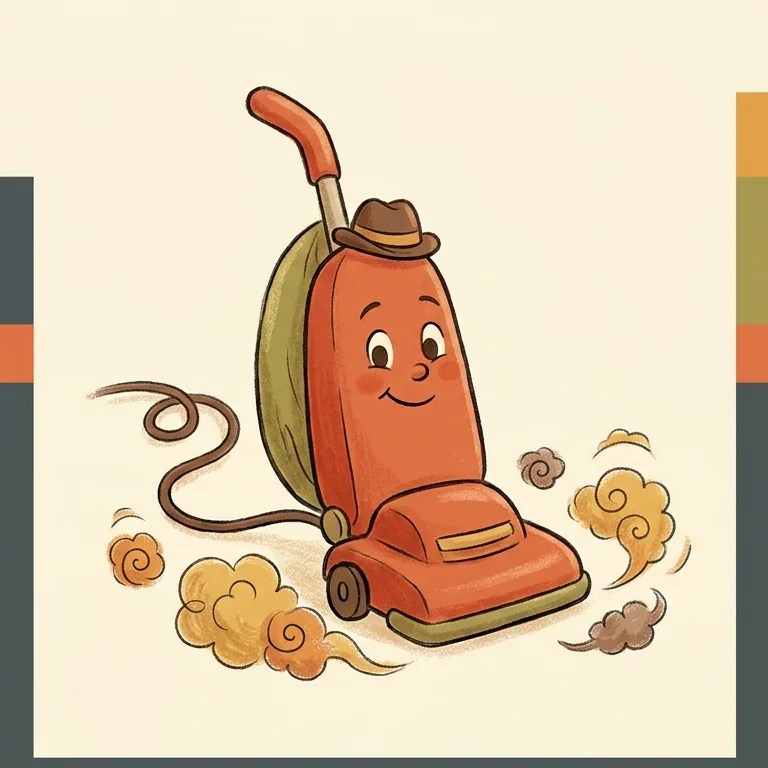
vacuum
vacuum
vak-yoo-um
valentine
valentine
val-en-tyn
valley
valley
val-ee
vampire
vampire
vam-pyr
vanilla
vanilla
vuh-nil-uh
vase
vase
vays
vegetables
vegetables
vej-tuh-bulz
velvet
velvet
vel-vet
vest
vest
vest
vet
vet
vet
video
video
vid-ee-oh
village
village
vil-ij
vine
vine
vyn
violet
violet
vy-uh-let
visit
visit
viz-it
voice
voice
voys
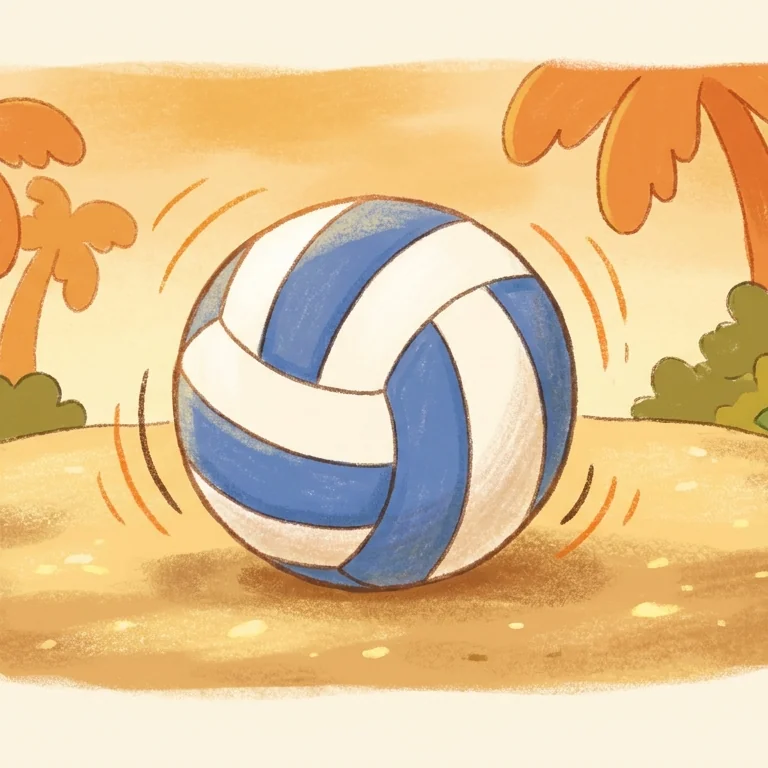
volleyball
volleyball
vol-ee-ball
vote
vote
voht
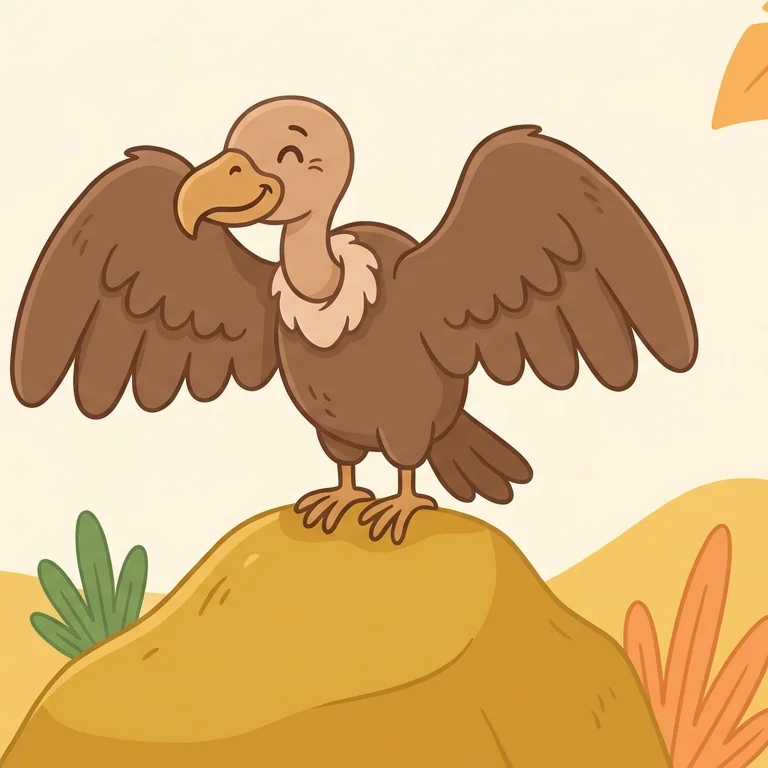
vulture
vulture
vul-cher
value
value
val-yoo
vapor
vapor
vay-per
vegan
vegan
vee-gun
very
very
veh-ree
view
view
vyoo
vinegar
vinegar
vin-uh-ger
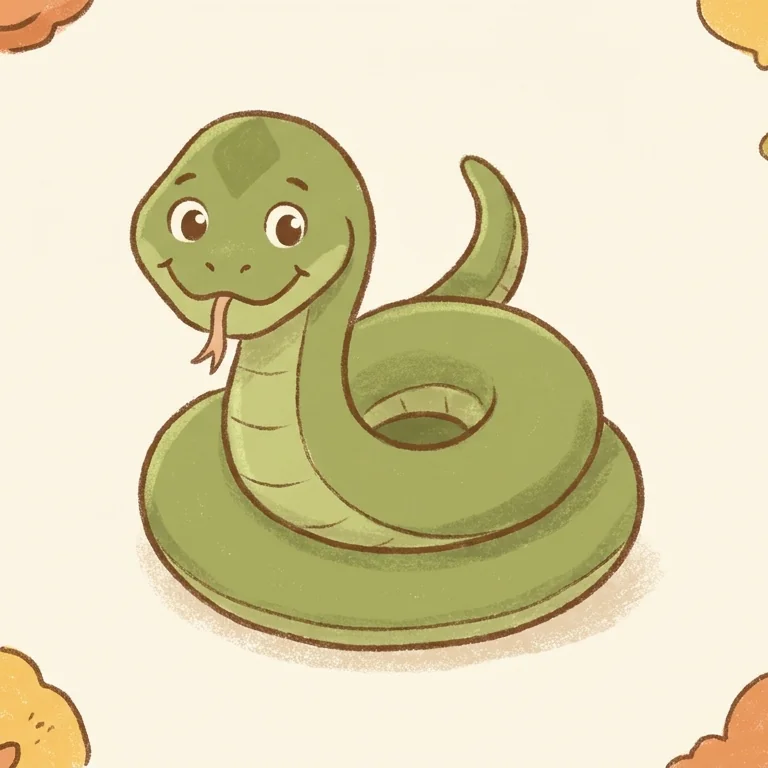
viper
viper
vy-per

Medial — /v/ in the middle of the word (30)

movie
movie
moo-vee
river
river
riv-er
seven
seven
sev-en
over
over
oh-ver
beaver
beaver
bee-ver
clover
clover
kloh-ver
cover
cover
kuv-er
diver
diver
dy-ver
driver
driver
dry-ver
eleven
eleven
ee-lev-en
ever
ever
ev-er
favor
favor
fay-ver
fever
fever
fee-ver
flavor
flavor
flay-ver
gavel
gavel
gav-ul
giving
giving
giv-ing
gravy
gravy
gray-vee
having
having
hav-ing
heavy
heavy
hev-ee
hover
hover
huv-er
leaving
leaving
leev-ing
lever
lever
lev-er
living
living
liv-ing
loving
loving
luv-ing
moving
moving
moov-ing
never
never
nev-er
oven
oven
uv-en
raven
raven
ray-ven
shaving
shaving
shay-ving
silver
silver
sil-ver

Final — /v/ at the end of the word (30)

wave
wave
wayv
five
five
fyv
hive
hive
hyv
love
love
luv
above
above
uh-buv
alive
alive
uh-lyv
arrive
arrive
uh-ryv
brave
brave
brayv
cave
cave
kayv
curve
curve
kurv
dive
dive
dyv
dove
dove
duv
drive
drive
dryv
gave
gave
gayv
give
give
giv
glove
glove
gluv
groove
groove
groov
have
have
hav
leave
leave
leev
live
live
liv
move
move
moov
nerve
nerve
nurv
olive
olive
ol-iv
prove
prove
proov
save
save
sayv
serve
serve
surv
shave
shave
shayv
stove
stove
stohv
twelve
twelve
twelv
weave
weave
weev

/v/ sound — frequently asked questions

At what age should my child say the /v/ sound? +

Most children produce /v/ correctly by age 5. About half can do it by age 4. /v/ is a mid-late developing fricative.
Is it normal for my child to say "b" or "f" for "v"? +

Both patterns (stopping to /b/, devoicing to /f/) are developmentally typical up to about age 4. If they persist past age 5, an SLP check-in is worthwhile.

Why is the /v/ sound hard? +

/v/ requires sustained airflow AND voicing through a precise lip-and-teeth position. Some children get the position right but stop the airflow (/b/) or drop the voice (/f/).

How can I help my child practice /v/ at home? +

Show the lip-and-teeth position in a mirror, feel the lip buzz with a finger, and use minimal pairs (vine/fine, vest/best) to train voicing and manner.

When should we see a speech therapist about /v/? +

If /v/ is being replaced with /b/ or /f/ past age 5, see an SLP.

Can older children and adults still correct /v/? +

Yes — /v/ is highly treatable at any age. The lip-and-teeth position is visible and the voicing is easy to feel.

Try Sound Safari free for 14 days