Sound Safari
Minimal Pairs Word List
K vs G Minimal Pairs
26 free K–G minimal pairs, sorted by position and ready to practice — the word list for voicing, when coat comes out as goat.
What are K vs G minimal pairs?
The /k/ and /g/ sounds are twins made at the back of the mouth: the tongue humps up against the soft palate and releases. The only thing that separates them is the voice — /g/ turns the vocal cords on, /k/ keeps them off. A minimal pair puts that single switch front and center: coat and goat, came and game, back and bag.
This list targets voicing errors at the back of the mouth — when a voiceless /k/ picks up voice and becomes /g/ (so coat becomes goat), or a final /g/ drops its voice and hardens into /k/ (so bag becomes back). Both sounds are shaped the same way, so the contrast comes down to the voice turning on or off — and because coat and goat mean different things, the child gets an immediate reason to get the voicing right.
Voicing is one of the phonological processes covered in our guide to phonological processes.
K vs G word pair list 26 pairs
Grouped by where the changing sound sits in the word. The sound that changes is highlighted in each pair.
At the start of the word (14)
- cap gap
- cave gave
- curl girl
- class glass
- climb glide
- coat goat
- crab grab
- came game
- coast ghost
- cold gold
- cot got
- crate great
- crew grew
- crow grow
In the middle of the word (2)
- anchor anger
- locker logger
At the end of the word (10)
- back bag
- clock clog
- duck dug
- lock log
- pick pig
- smock smog
- snack snag
- wick wig
- dock dog
- walk wag
Why minimal pairs work
Minimal pairs work because they make a sound matter. When the only thing separating two words is a single sound, saying that sound the wrong way changes what the child actually said — key becomes tea, cap becomes tap. That built-in feedback turns an abstract “say it this way” into a concrete mix-up the child can hear and fix.
This is the heart of the phonological (contrast) approach: instead of drilling a sound in isolation, you give the child a reason to keep the two sounds apart. Many children start to self-correct once they notice the listener heard the wrong word — the meaning contrast does the teaching. It is an evidence-informed technique widely used by speech-language pathologists, and it works just as well at the kitchen table as in the therapy room.
How to use K/G minimal pairs in therapy
A simple progression for SLPs and parents. If your child is in therapy, always follow your SLP's plan first.
- 1 Listen first. Read a batch of the pairs aloud so the child hears the K–G contrast many times, with no pressure to say anything back yet. This "auditory bombardment" tunes the ear before the mouth.
- 2 Point to the right one. Lay out a few picture pairs, say one word, and have the child point to the matching picture. This checks that they can hear the difference before they have to produce it.
- 3 Copy you. Have the child repeat each word after you, starting with the picture pairs. Model slowly and let them watch your mouth.
- 4 Say it on their own. Have the child name the picture without a model. If both words come out the same, that mix-up is the teaching moment — show how the sound changes which word they said.
- 5 Carry it over. Move from single words into short phrases and everyday talk, and send a few pairs home so practice keeps going between sessions.
Featured picture pairs
The 17 pairs that have a picture for both words. Tap a card to hear the word, or tap “vs” to hear the pair back-to-back.
-
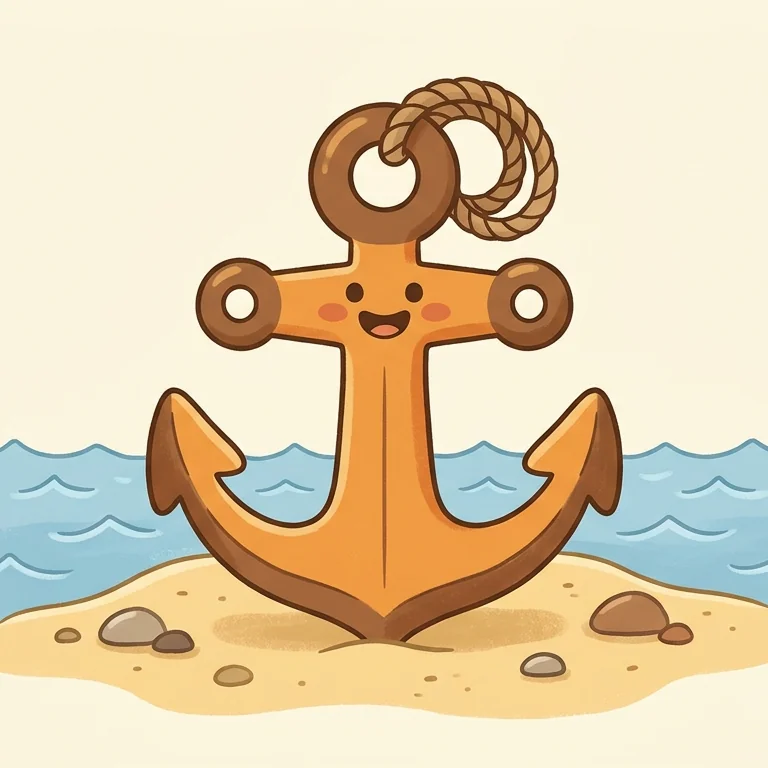 anchor
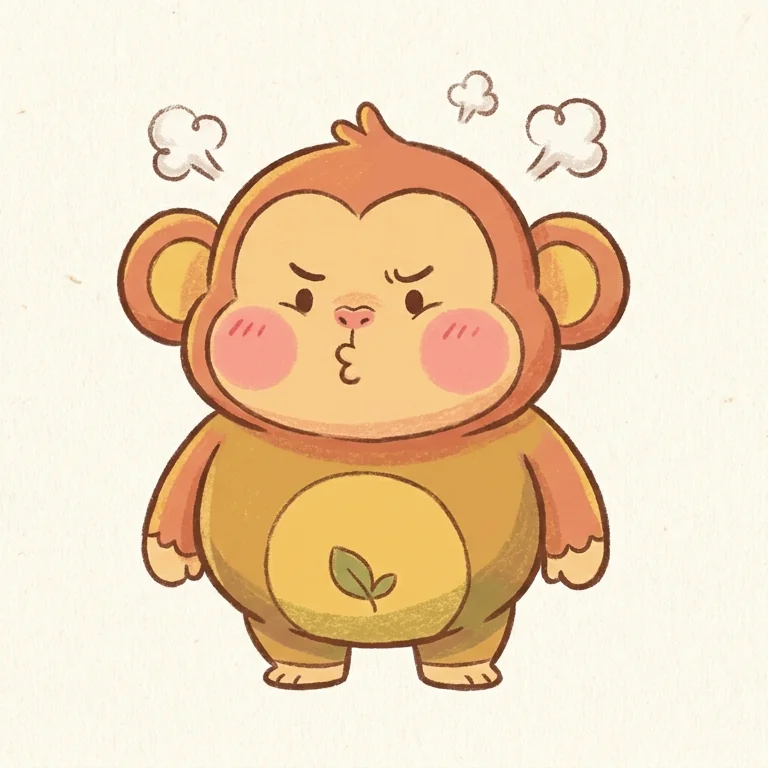 anger
anger -
 back
back bag
bag -
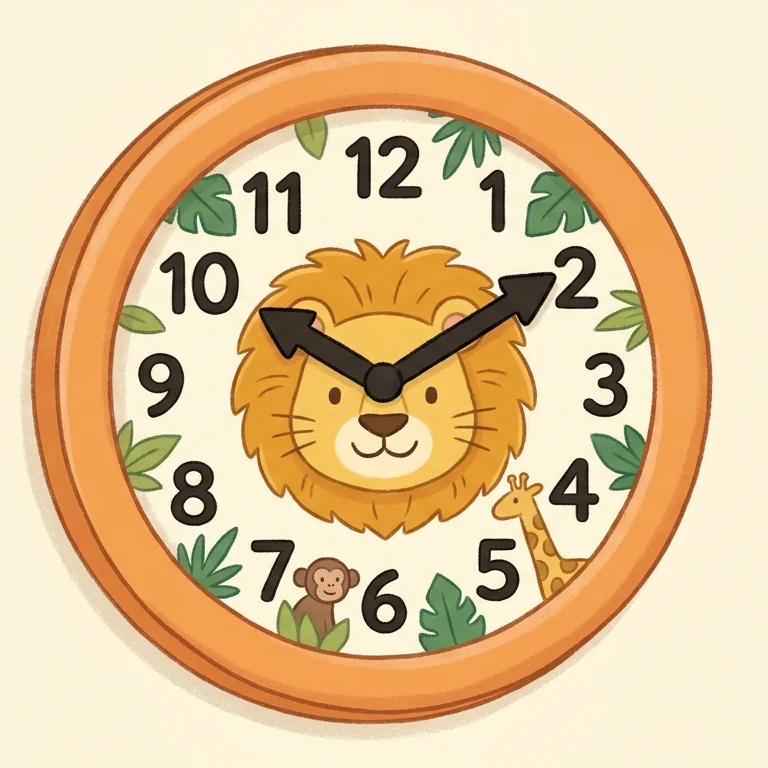 clock
clock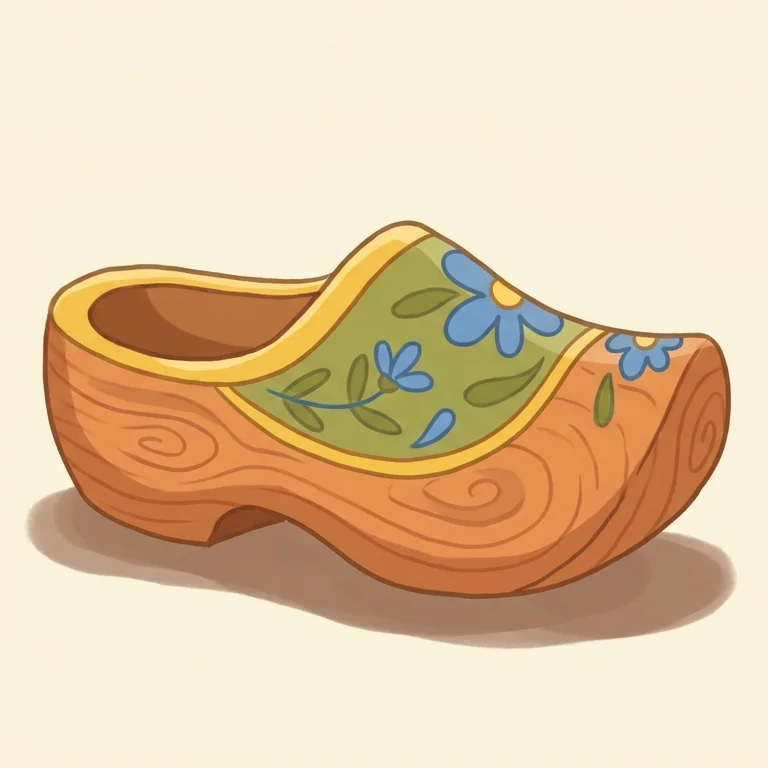 clog
clog -
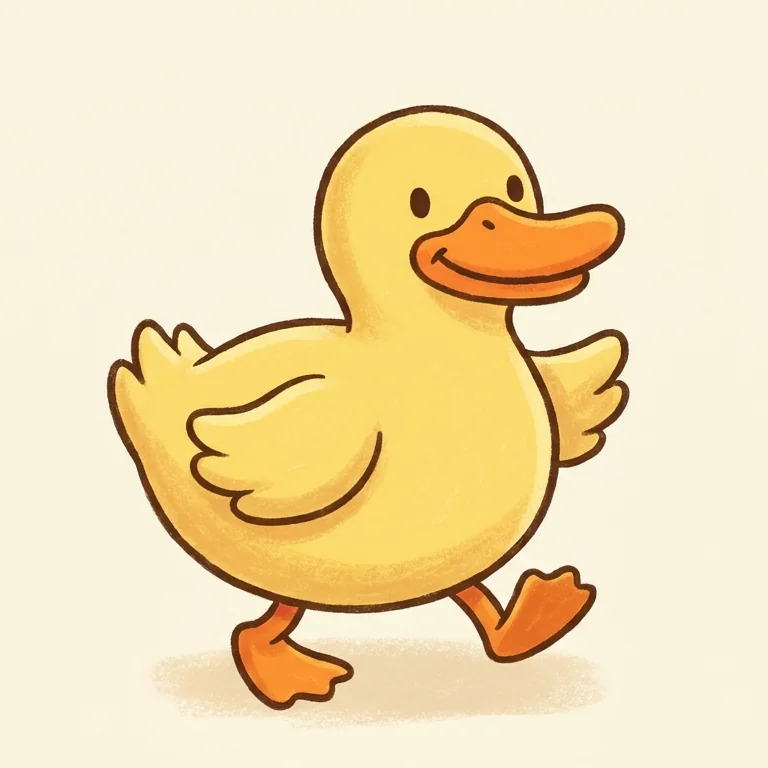 duck
duck dug
dug -
 cap
cap gap
gap -
 cave
cave gave
gave -
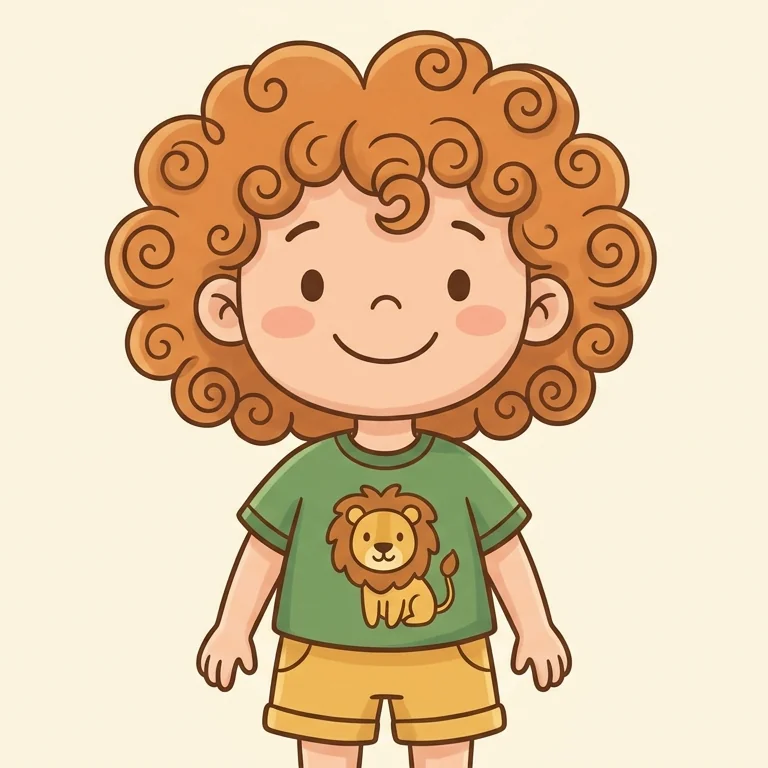 curl
curl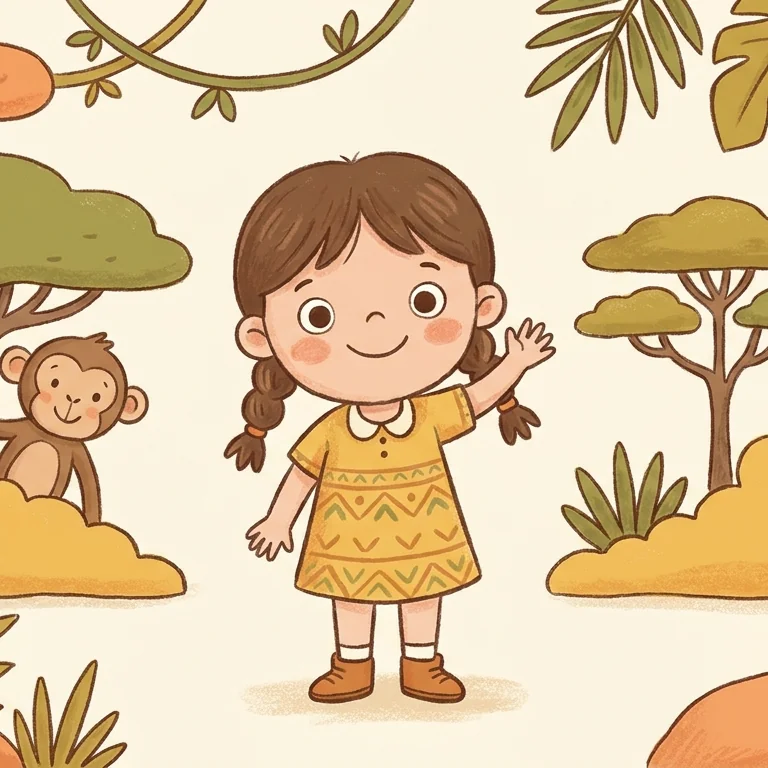 girl
girl -
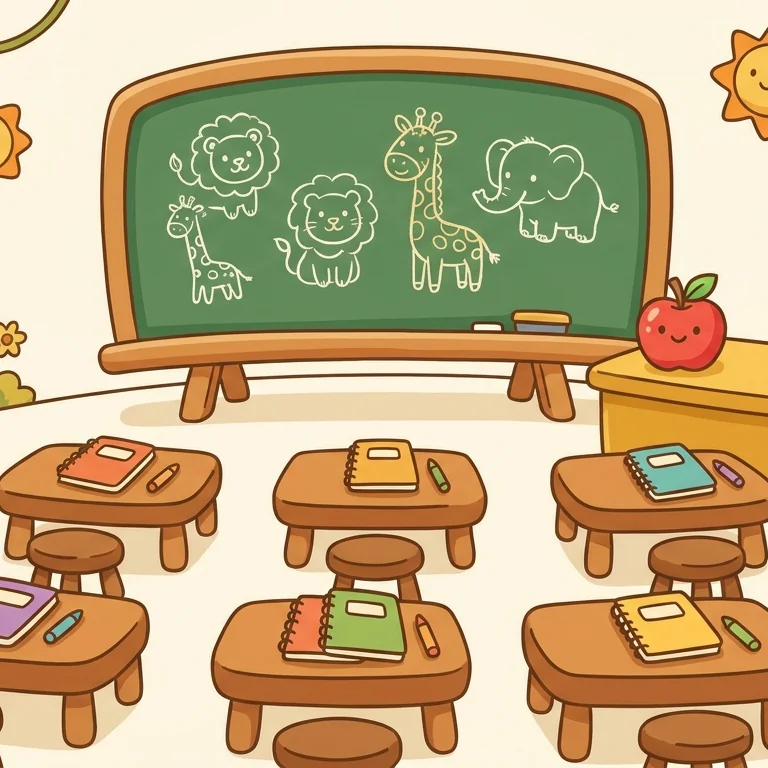 class
class glass
glass -
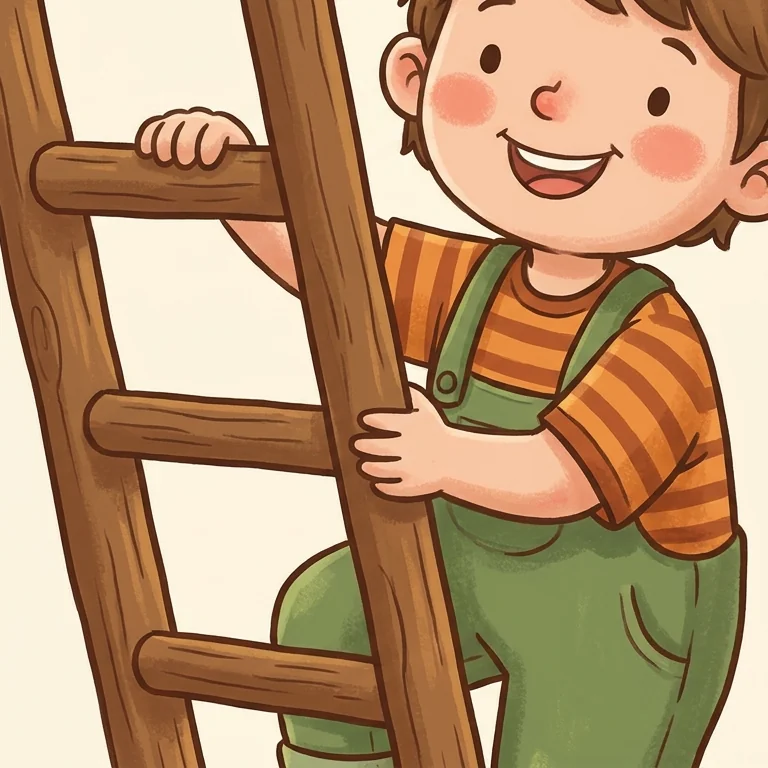 climb
climb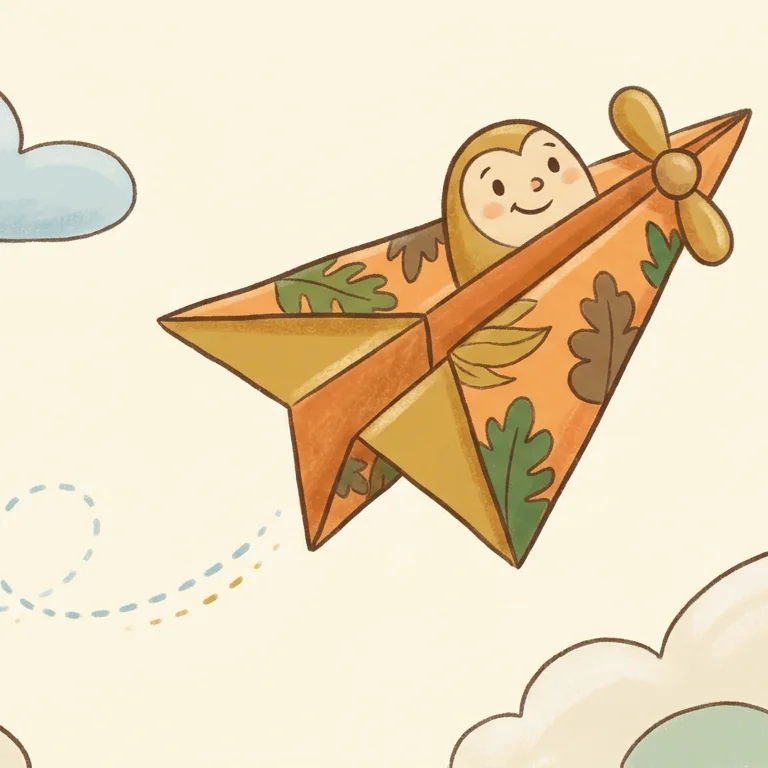 glide
glide -
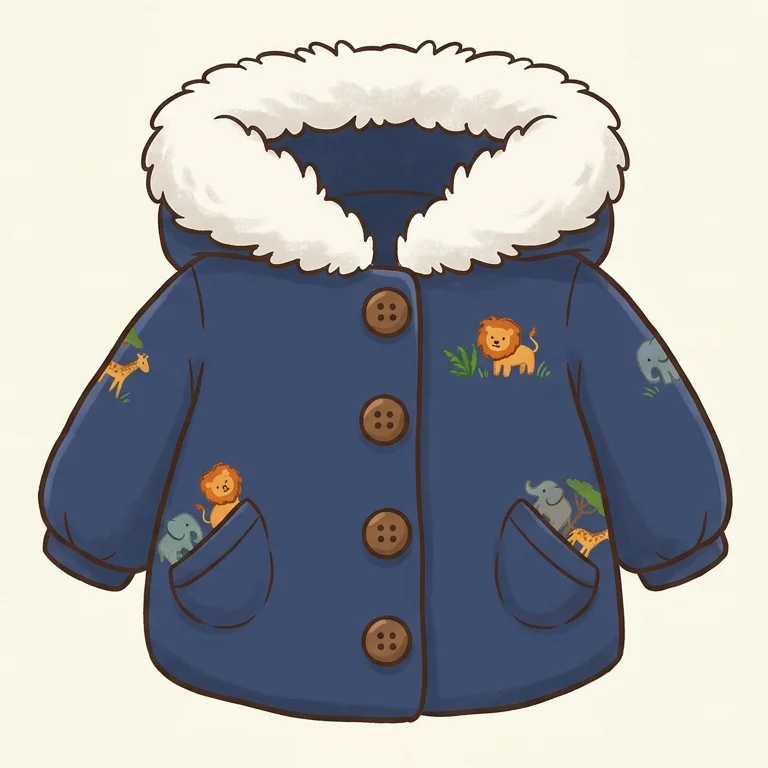 coat
coat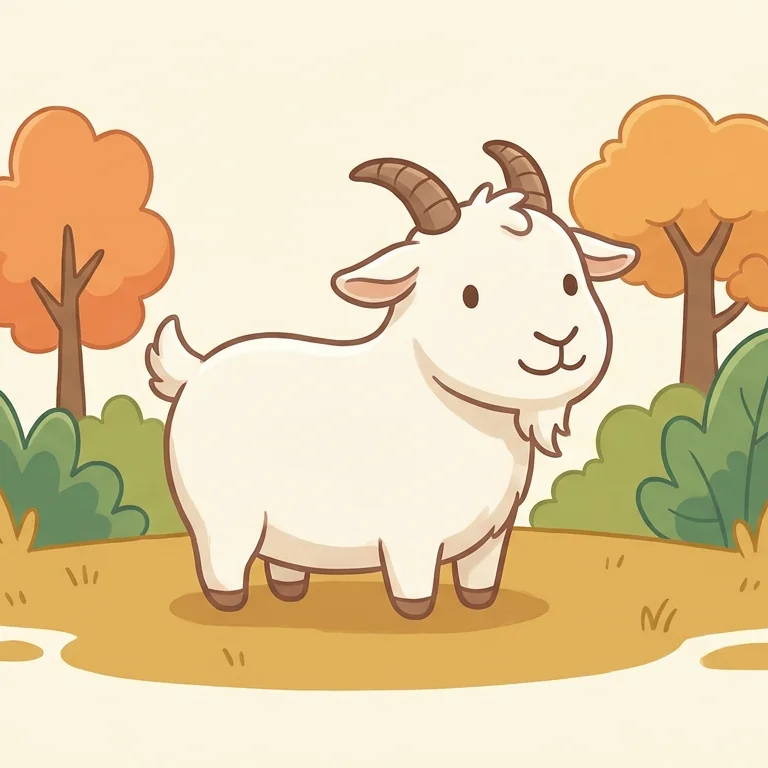 goat
goat -
 crab
crab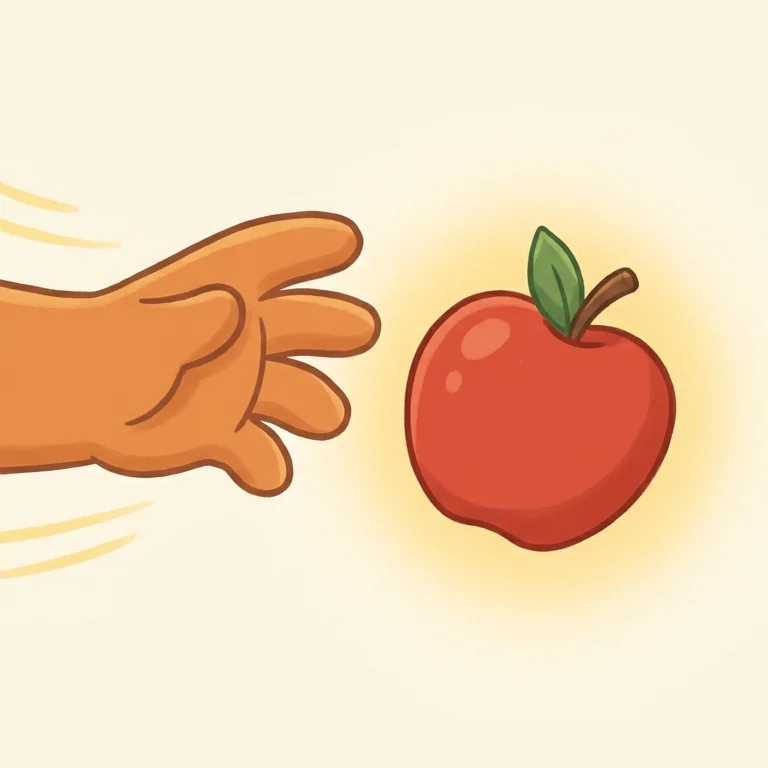 grab
grab -
 lock
lock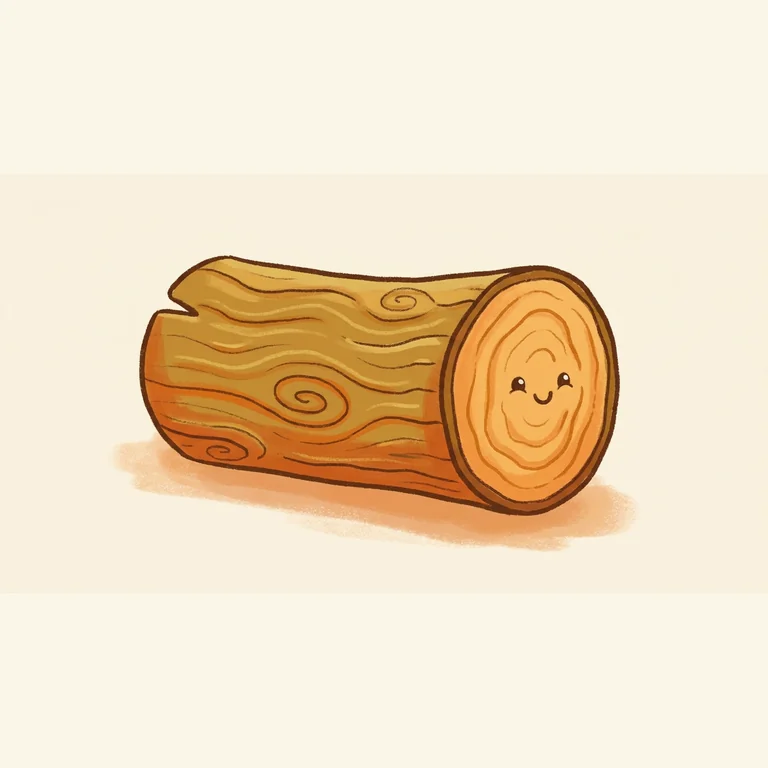 log
log -
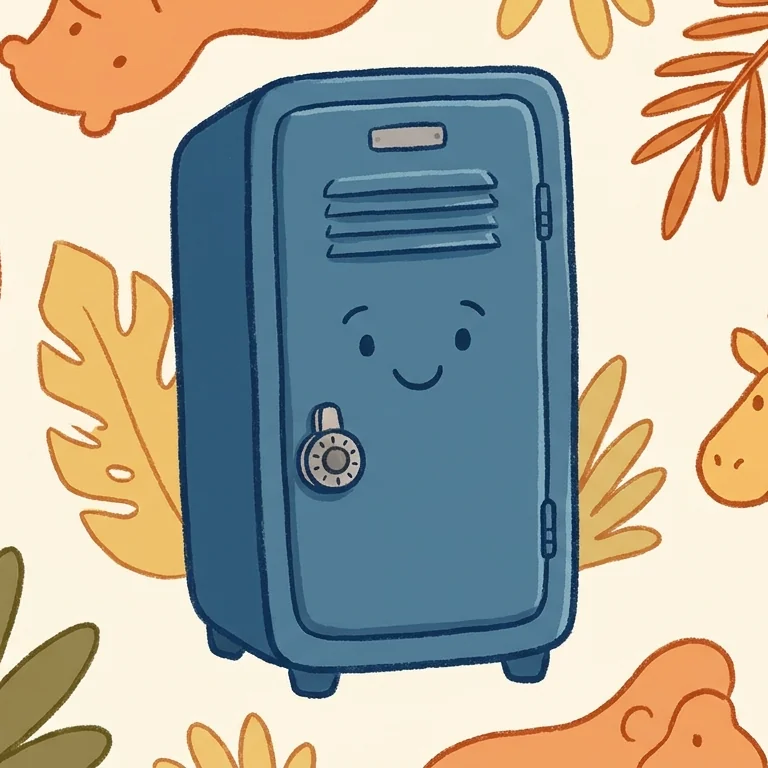 locker
 logger
 -
 pick
pick pig
pig -
 smock
smock smog
smog -
 snack
snack snag
snag -
 wick
wick wig
wig
Practice these pairs in Sound Safari
Run K/G minimal-pair drills with built-in scoring and auto-generated progress notes.
K vs G minimal pairs — frequently asked questions
What are K vs G minimal pairs? +
K vs G minimal pairs are words that are identical except that one has a /k/ sound and the other has a /g/ — for example coat/goat, came/game, and back/bag. Both sounds are made at the back of the mouth; the only difference is whether the voice is on, which is what the child works on.
What phonological process do K/G minimal pairs target? +
They target voicing errors — either prevocalic voicing, where a voiceless /k/ becomes a voiced /g/ ("coat" becomes "goat"), or final devoicing, where a voiced /g/ hardens into /k/ ("bag" becomes "back"). The contrast shows the child that turning the voice on or off changes the word.
How do you use K and G minimal pairs in speech therapy? +
Read the pairs aloud so the child hears the contrast, have them point to the word you say, then repeat each word, name the pictures on their own, and finally use the words in phrases and everyday talk. Having the child feel the buzz of /g/ with a hand on the throat — present for /g/, absent for /k/ — makes the difference easier to catch.
When do the K and G sounds develop? +
Both /k/ and /g/ reach 90% mastery by around age 4 (McLeod & Crowe, 2018; Crowe & McLeod, 2020), and voicing errors typically resolve earlier than that. If a child is still swapping /k/ and /g/ past that age, or is hard to understand, checking in with a speech-language pathologist is a sensible step. This word list is informational and is not a diagnosis.
Keep exploring
The full guides for each sound — norms, common challenges, how to practice, and word lists by position.
Related contrasts
Looking for more contrasts? Browse the full minimal pairs word list library.