Sound Safari
Minimal Pairs Word List
L vs R Minimal Pairs
40 free L–R minimal pairs, sorted by position and ready to practice — the word list for liquid errors, when right comes out as light.
What are L vs R minimal pairs?
The L and R sounds are the two liquids of English, and they are among the last sounds a child masters — /l/ around age 5 and /r/ around age 6 (Crowe & McLeod, 2020). A minimal pair is two words that differ by a single sound, so an L-versus-R pair like light and right, or lake and rake, asks the child to change just that one liquid — and the meaning changes right along with it.
This list targets gliding: the pattern where the liquids /l/ and /r/ slide toward an easier glide like /w/ or /y/, so right comes out as light or wight and rabbit becomes wabbit. Some gliding is a normal part of early speech, because liquids take longer to develop than most sounds. Contrasting /l/ and /r/ head to head gives a child a concrete target — light and right are two different words, and the sound is what tells them apart.
Liquids is one of the phonological processes covered in our guide to phonological processes.
L vs R word pair list 40 pairs
Grouped by where the changing sound sits in the word. The sound that changes is highlighted in each pair.
At the start of the word (14)
- lace race
- lake rake
- lap wrap
- leaf reef
- light right
- loaf roof
- lock rock
- loyal royal
- lather rather
- leap reap
- led red
- locket rocket
- long wrong
- lot rot
In the middle of the word (19)
- alive arrive
- belly berry
- bloom broom
- blush brush
- bowling boring
- clash crash
- clown crown
- flame frame
- flesh fresh
- fly fry
- glass grass
- glaze graze
- glow grow
- play pray
- player prayer
- silly sorry
- chilly cherry
- filly ferry
- hilly hurry
At the end of the word (7)
- bell bear
- chill cheer
- fall four
- flute fruit
- shell share
- towel tower
- well where
Why minimal pairs work
Minimal pairs work because they make a sound matter. When the only thing separating two words is a single sound, saying that sound the wrong way changes what the child actually said — key becomes tea, cap becomes tap. That built-in feedback turns an abstract “say it this way” into a concrete mix-up the child can hear and fix.
This is the heart of the phonological (contrast) approach: instead of drilling a sound in isolation, you give the child a reason to keep the two sounds apart. Many children start to self-correct once they notice the listener heard the wrong word — the meaning contrast does the teaching. It is an evidence-informed technique widely used by speech-language pathologists, and it works just as well at the kitchen table as in the therapy room.
How to use L/R minimal pairs in therapy
A simple progression for SLPs and parents. If your child is in therapy, always follow your SLP's plan first.
- 1 Listen first. Read a batch of the pairs aloud so the child hears the L–R contrast many times, with no pressure to say anything back yet. This "auditory bombardment" tunes the ear before the mouth.
- 2 Point to the right one. Lay out a few picture pairs, say one word, and have the child point to the matching picture. This checks that they can hear the difference before they have to produce it.
- 3 Copy you. Have the child repeat each word after you, starting with the picture pairs. Model slowly and let them watch your mouth.
- 4 Say it on their own. Have the child name the picture without a model. If both words come out the same, that mix-up is the teaching moment — show how the sound changes which word they said.
- 5 Carry it over. Move from single words into short phrases and everyday talk, and send a few pairs home so practice keeps going between sessions.
Featured picture pairs
The 31 pairs that have a picture for both words. Tap a card to hear the word, or tap “vs” to hear the pair back-to-back.
-
 alive
alive arrive
 -
 bell
bell bear
bear -
 belly
belly berry
berry -
 bloom
bloom broom
broom -
 blush
blush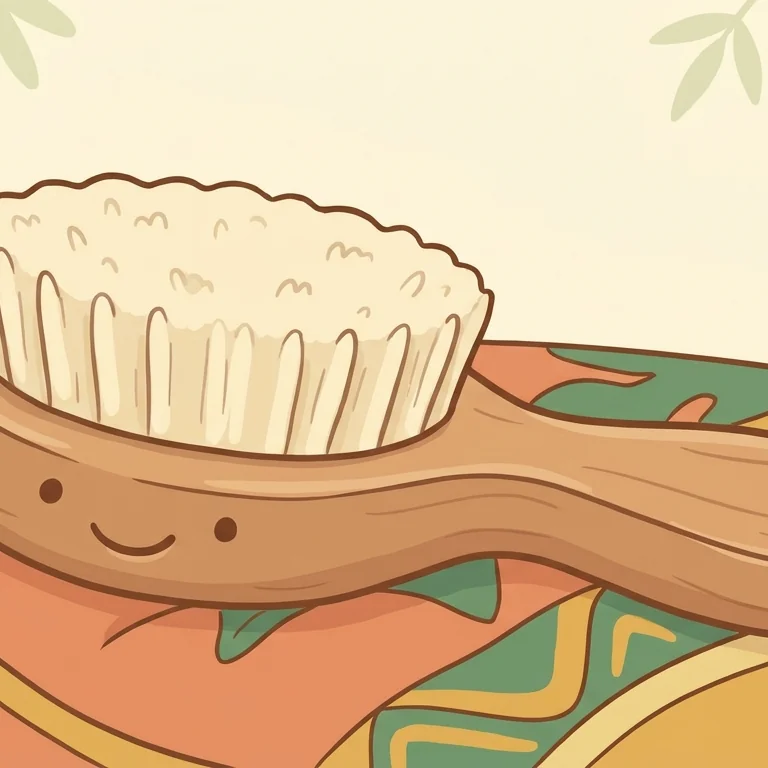 brush
brush -
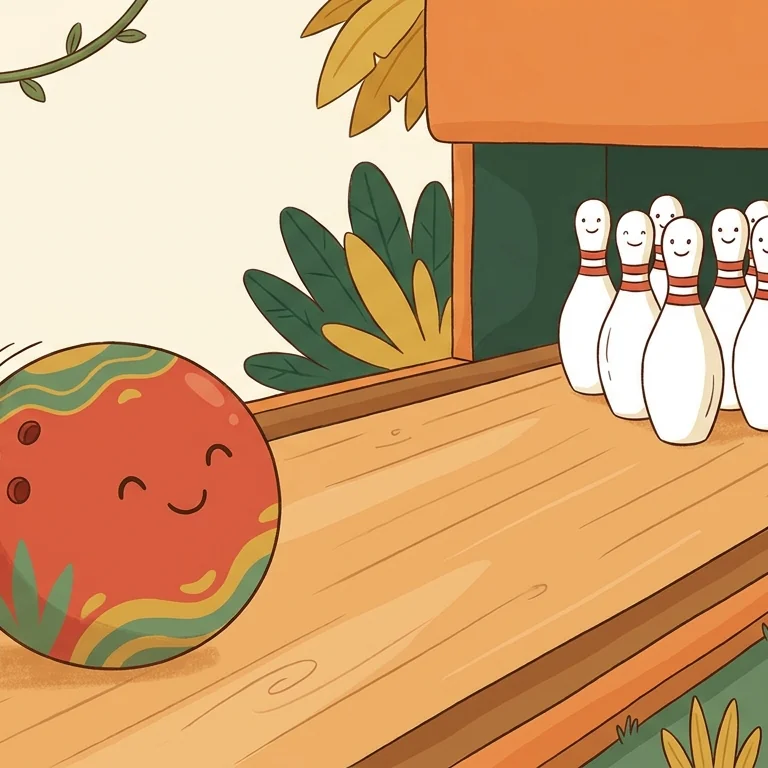 bowling
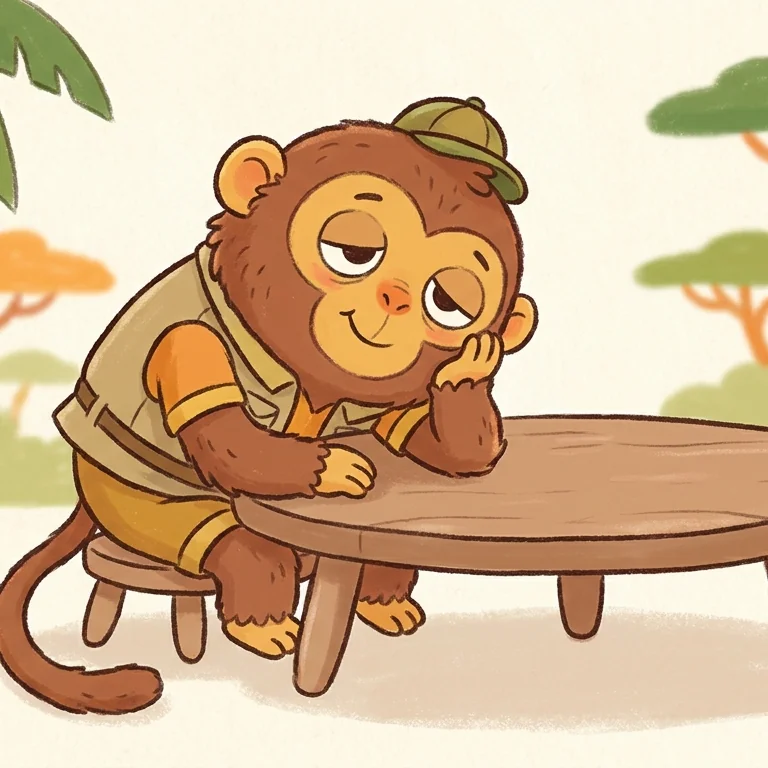 boring
 -
 chill
chill cheer
cheer -
 clash
clash crash
crash -
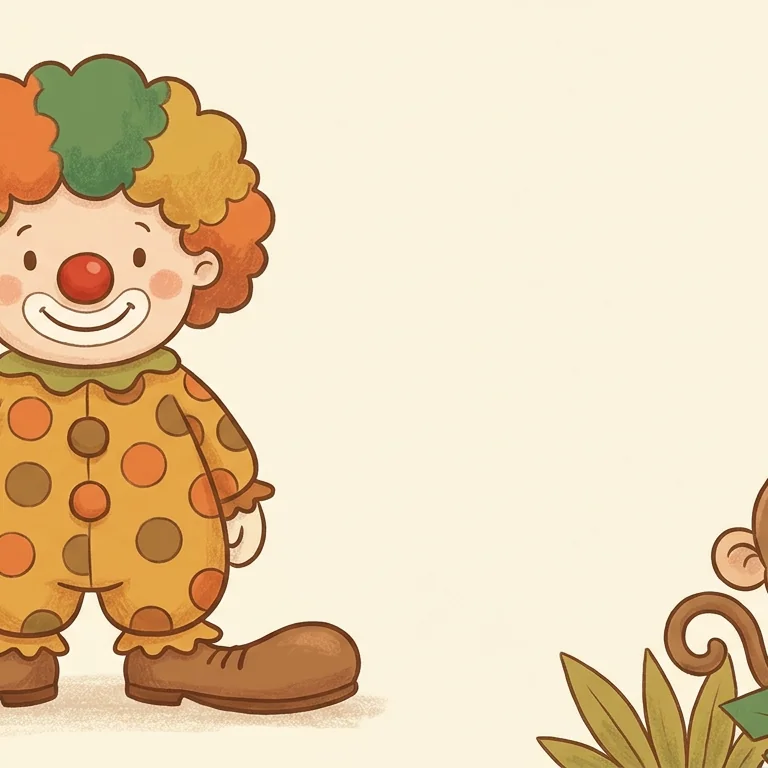 clown
clown crown
crown -
 fall
fall four
four -
 flame
flame frame
frame -
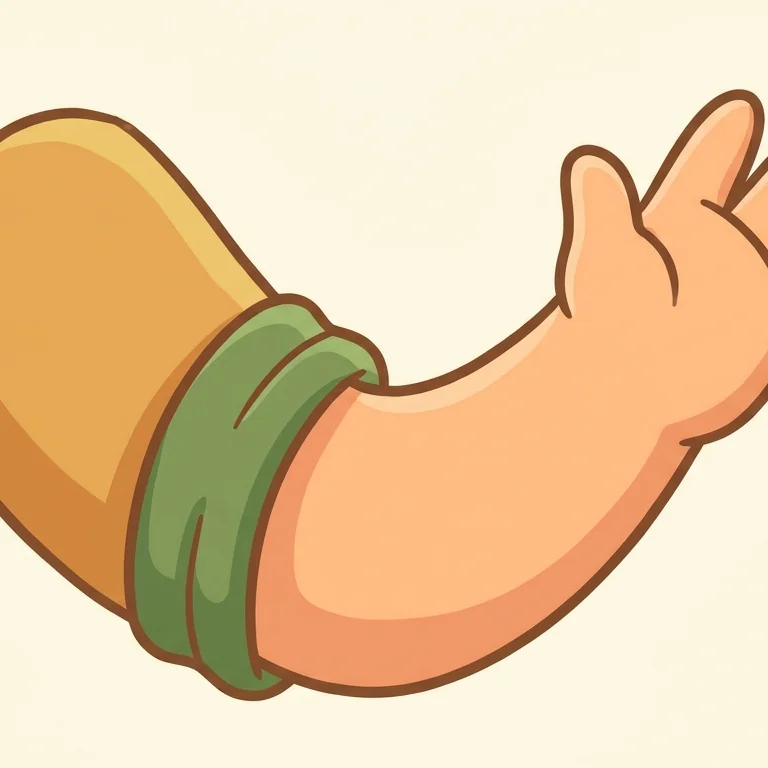 flesh
flesh fresh
fresh -
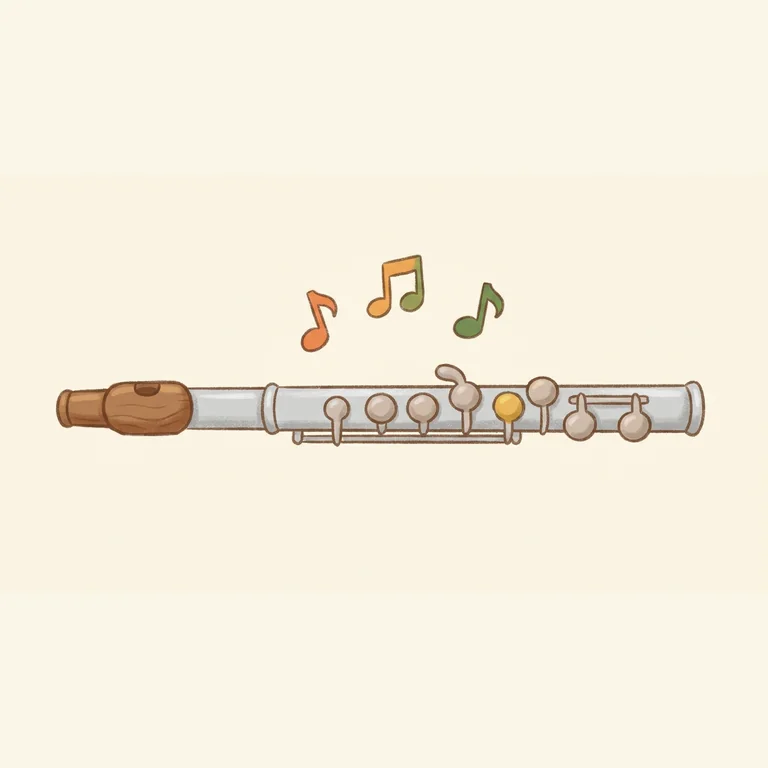 flute
flute fruit
fruit -
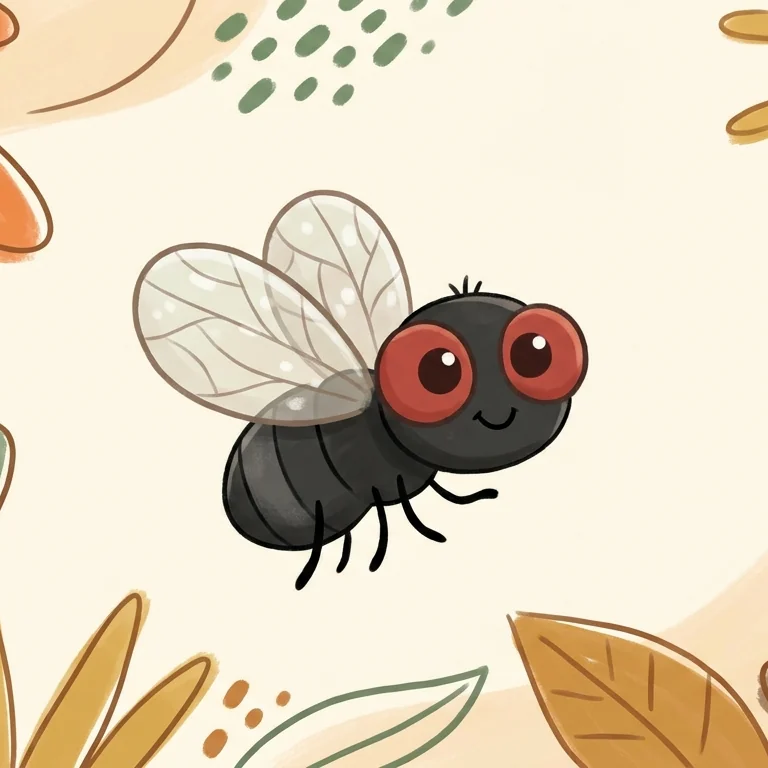 fly
fly fry
fry -
 glass
glass grass
grass -
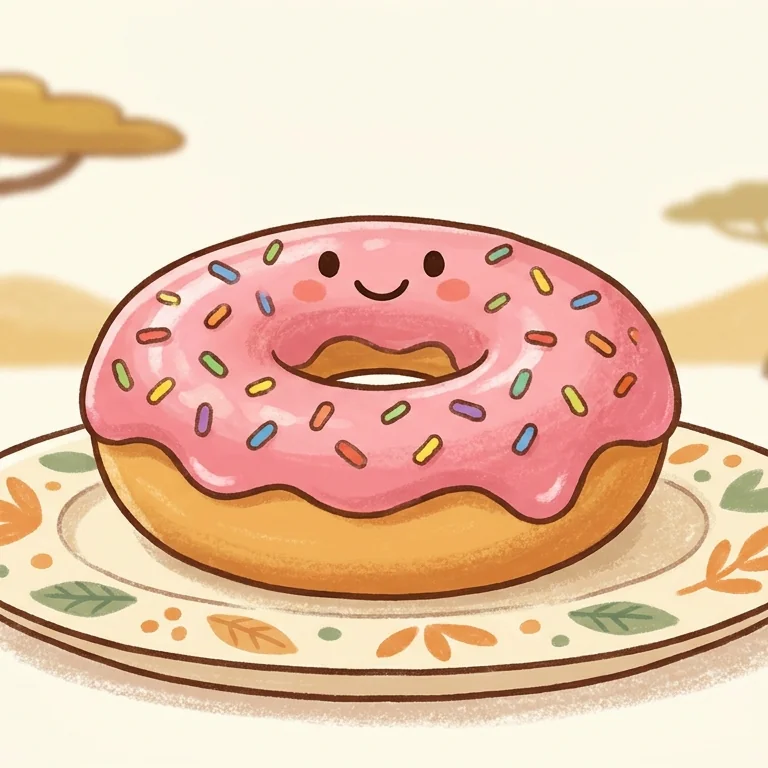 glaze
glaze graze
graze -
 glow
glow grow
grow -
 lace
lace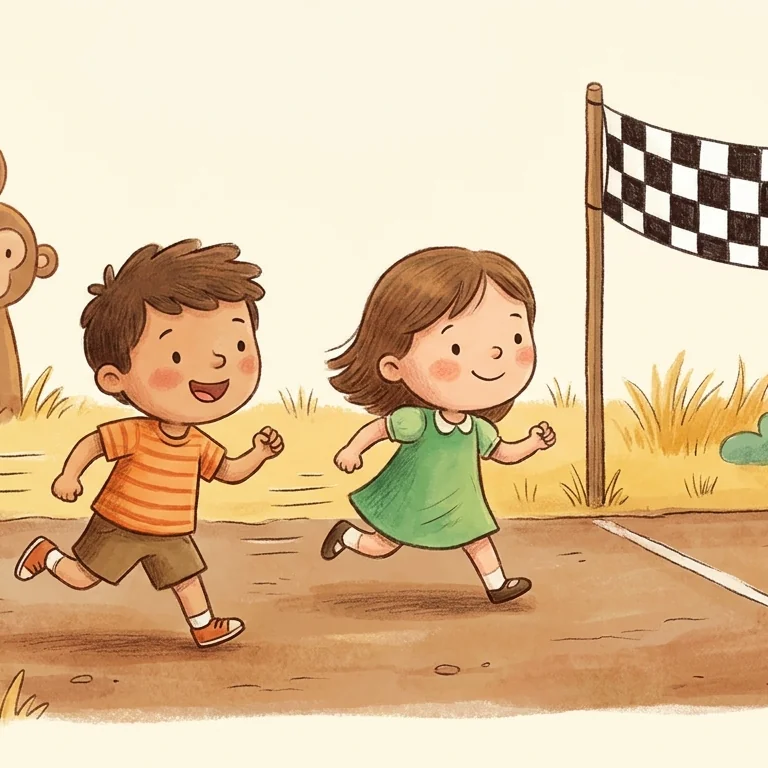 race
race -
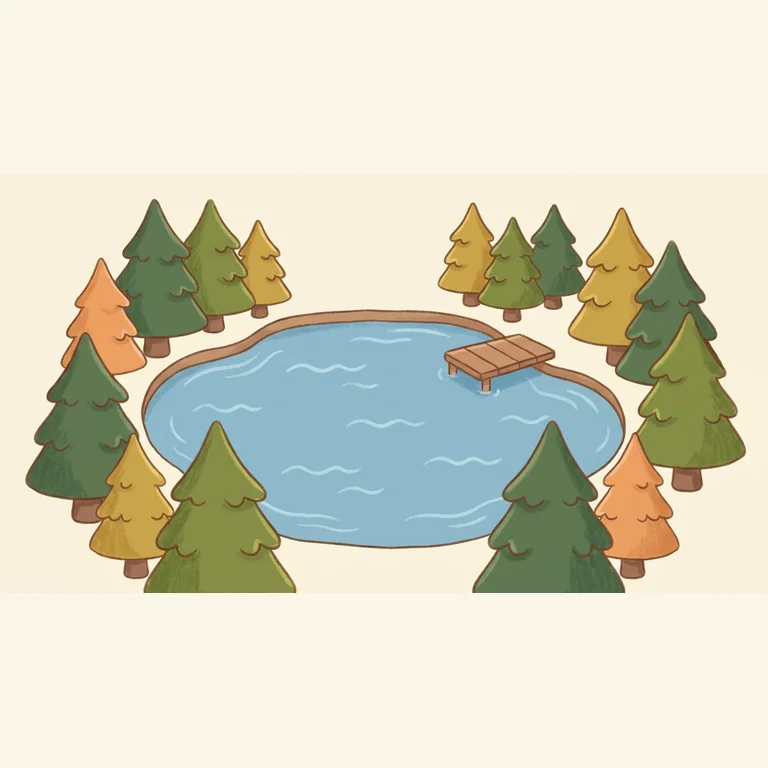 lake
lake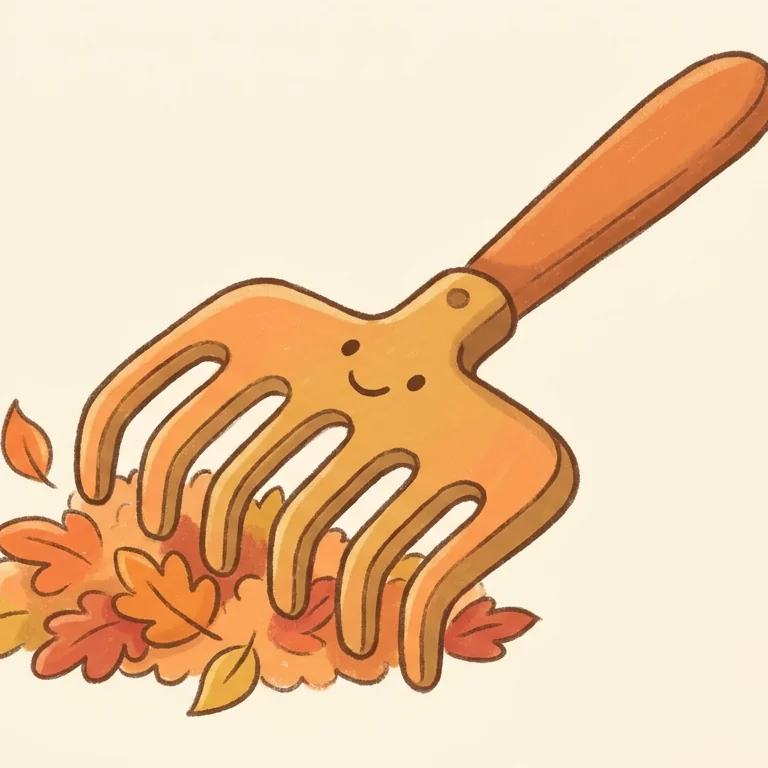 rake
rake -
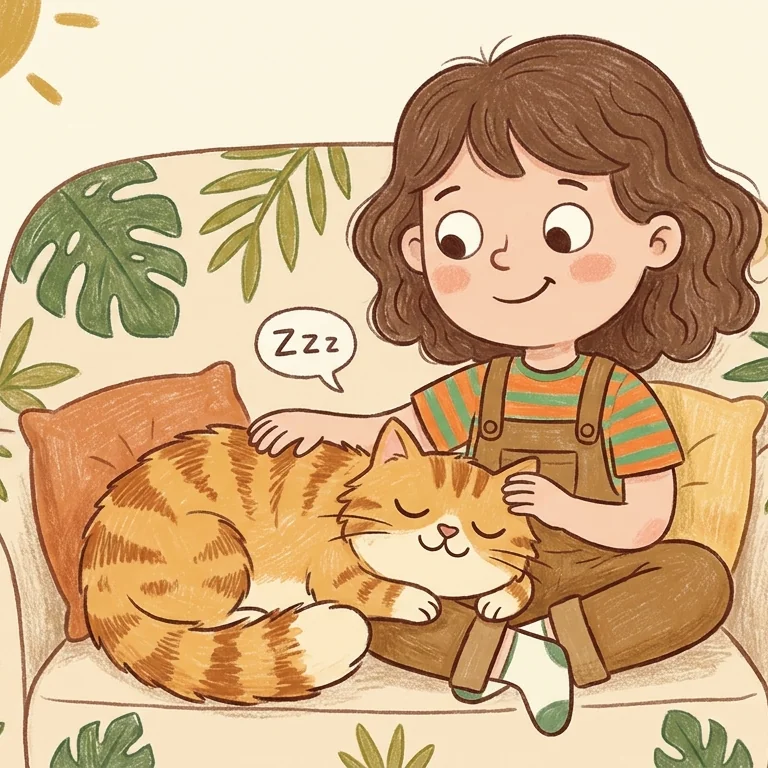 lap
lap wrap
wrap -
 leaf
leaf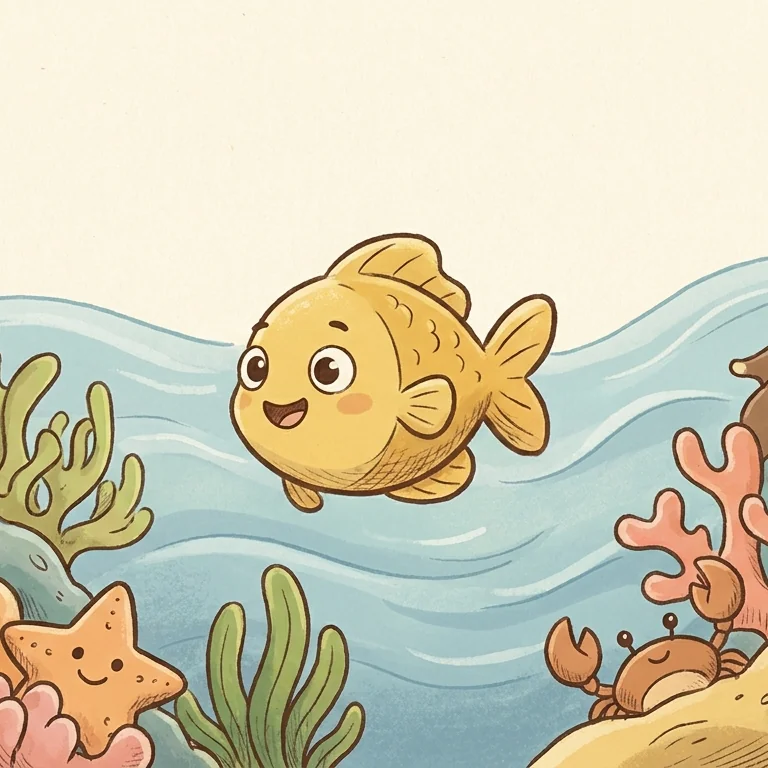 reef
reef -
 light
light right
right -
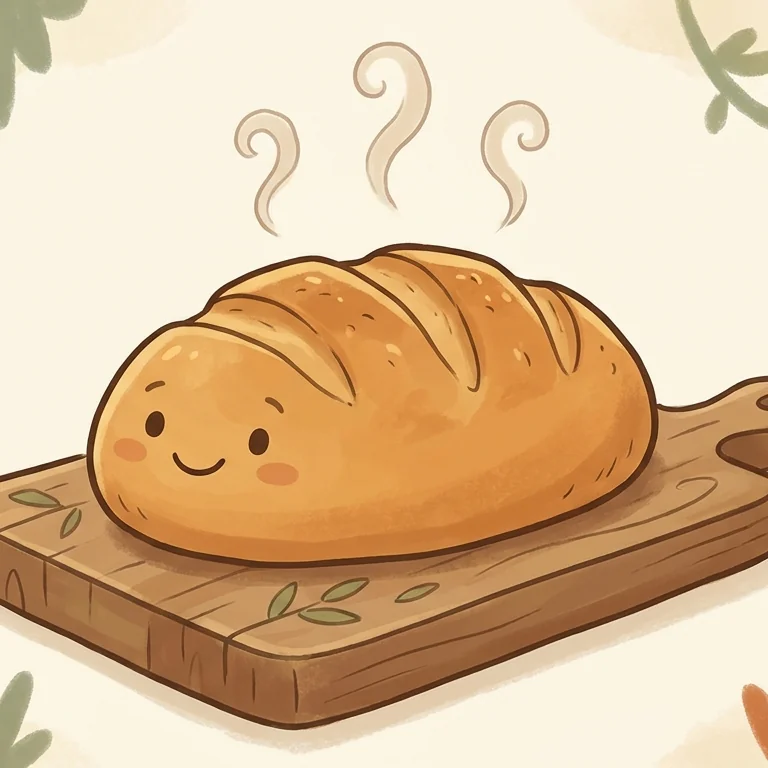 loaf
loaf roof
roof -
 lock
lock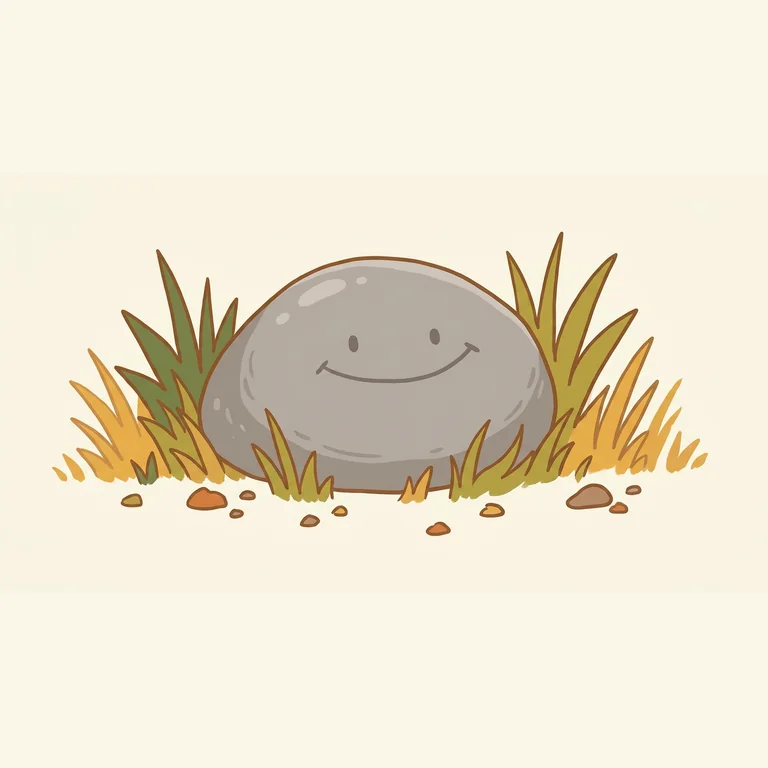 rock
rock -
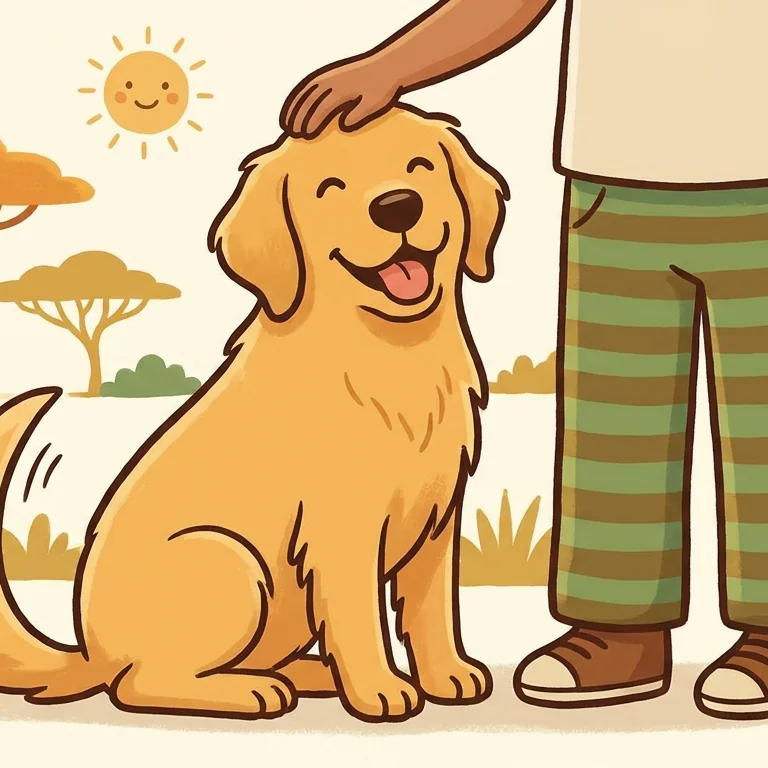 loyal
loyal royal
royal -
 play
play pray
pray -
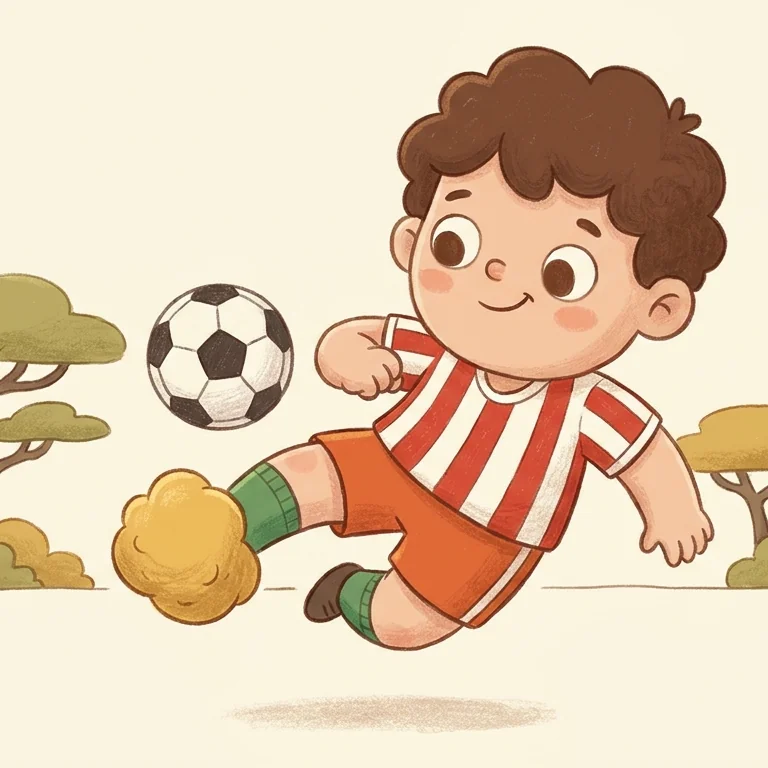 player
 prayer
 -
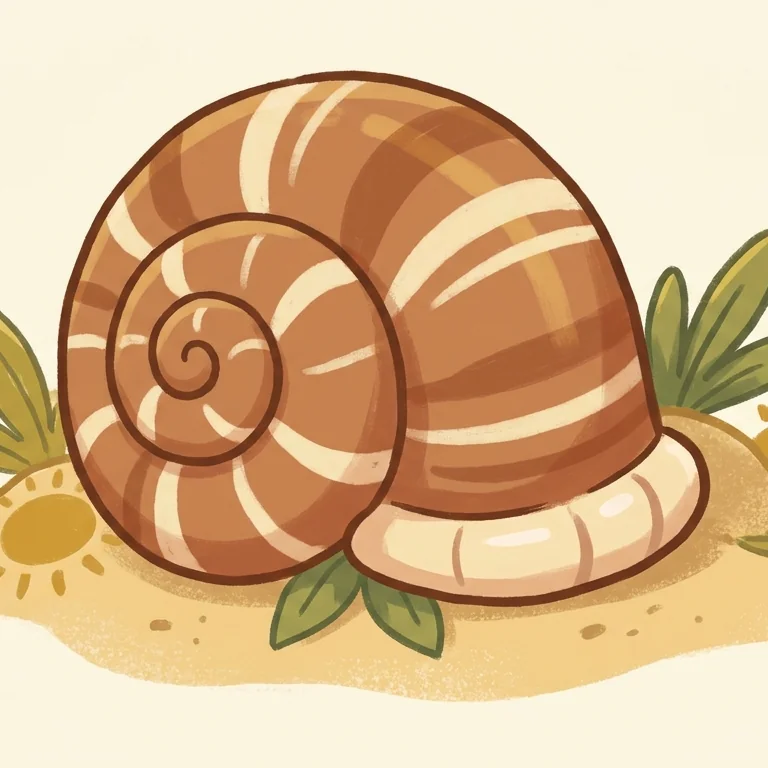 shell
shell share
share -
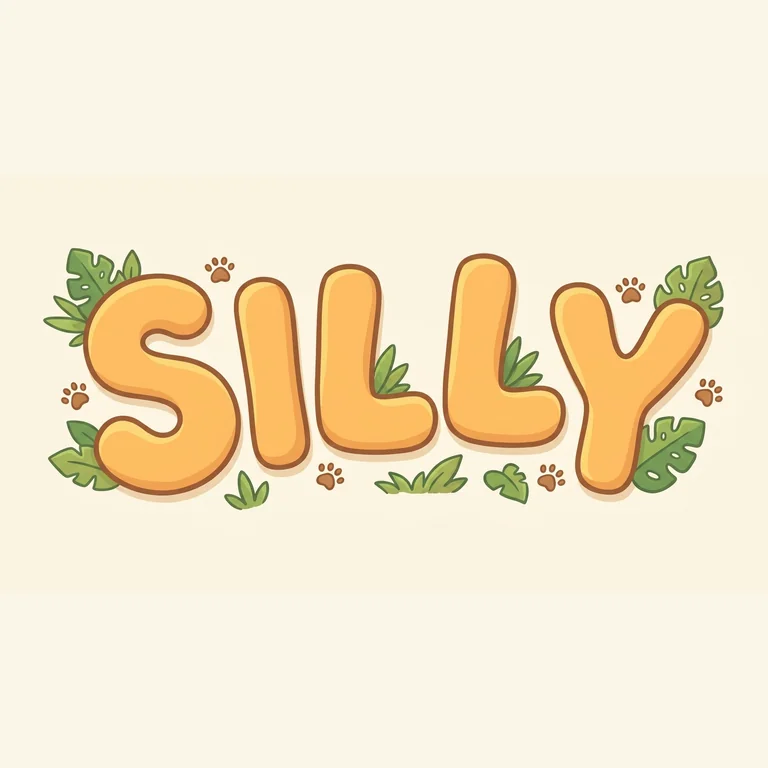 silly
silly sorry
sorry -
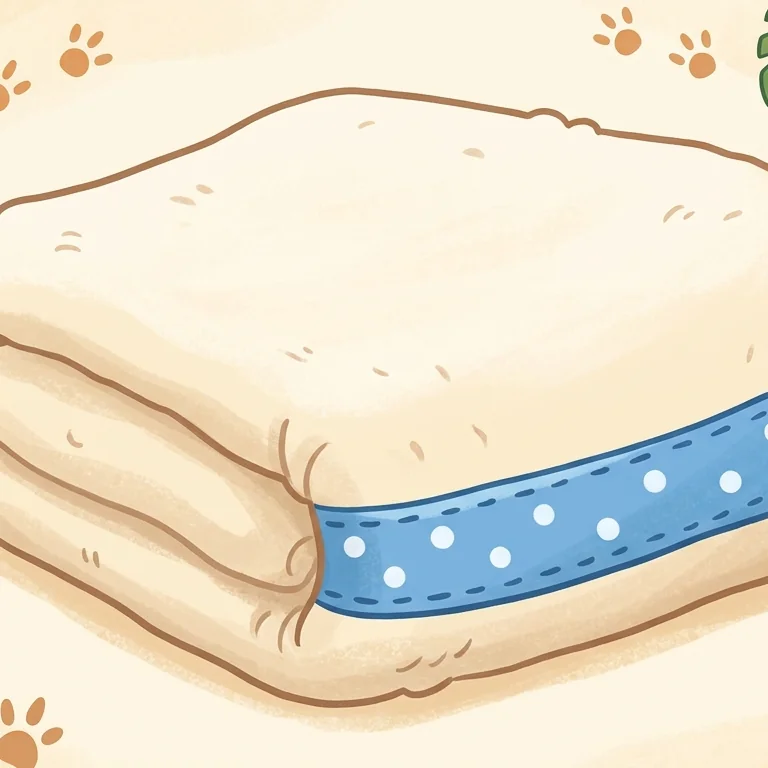 towel
towel tower
tower -
 well
well where
where
Practice these pairs in Sound Safari
Run L/R minimal-pair drills with built-in scoring and auto-generated progress notes.
L vs R minimal pairs — frequently asked questions
What are L vs R minimal pairs? +
L vs R minimal pairs are words that are identical except that one has an /l/ sound and the other has an /r/ — for example light/right, lake/rake, and glass/grass. Because that single liquid sound is the only difference, each pair means two different things, which is what makes the contrast useful to practice.
What phonological process do L/R minimal pairs target? +
They target gliding of liquids — when /l/ and /r/ are replaced by a glide such as /w/ or /y/, or swapped for one another, so "right" is heard as "light" or "wight." Pairing the two liquids directly, and pairing a liquid against the glide a child uses instead, shows the child that the sound they choose changes the word.
How do you use L and R minimal pairs in speech therapy? +
A typical progression is to read the pairs aloud so the child hears the contrast, have the child point to the word you say, then repeat each word after you, then name the pictures without a model, and finally use the words in short phrases and everyday talk. When light and right come out the same, that mix-up is the teaching moment — /l/ and /r/ are also later-developing sounds, so patience helps.
When do the L and R sounds develop? +
On average children reach 90% mastery of /l/ around age 5 and /r/ around age 6 (McLeod & Crowe, 2018; Crowe & McLeod, 2020), and some gliding before then is developmentally typical. If a child is still gliding /l/ or /r/ well past those ages, or is hard to understand, it is a good time to check in with a speech-language pathologist. This word list is informational and is not a diagnosis.
Keep exploring
The full guides for each sound — norms, common challenges, how to practice, and word lists by position.
Related contrasts
Looking for more contrasts? Browse the full minimal pairs word list library.