Sound Safari
Minimal Pairs Word List
R vs W Minimal Pairs
20 free R–W minimal pairs, sorted by position and ready to practice — the word list for gliding, when ring comes out as wing.
What are R vs W minimal pairs?
Wabbit for rabbit is probably the most recognizable speech substitution there is. It happens because /r/ — a late, tricky liquid sound — slides toward /w/, an easy early glide the lips already know. A minimal pair makes that slide audible: ring and wing, rake and wake, right and white.
This list targets gliding: the pattern where /r/ is replaced by /w/, so ring comes out as wing and rest as west. The gap between the two sounds is real — /w/ is typically in place by age 3, while /r/ is one of the last sounds to arrive, around age 6 — so gliding is common in younger children. Contrasting /r/ against the very sound the child substitutes gives the clearest possible feedback: ring and wing are two different words, and the /r/ is what tells them apart.
Gliding is one of the phonological processes covered in our guide to phonological processes.
R vs W word pair list 20 pairs
Grouped by where the changing sound sits in the word. The sound that changes is highlighted in each pair.
At the start of the word (17)
- rake wake
- rash wash
- reap weep
- rich witch
- right white
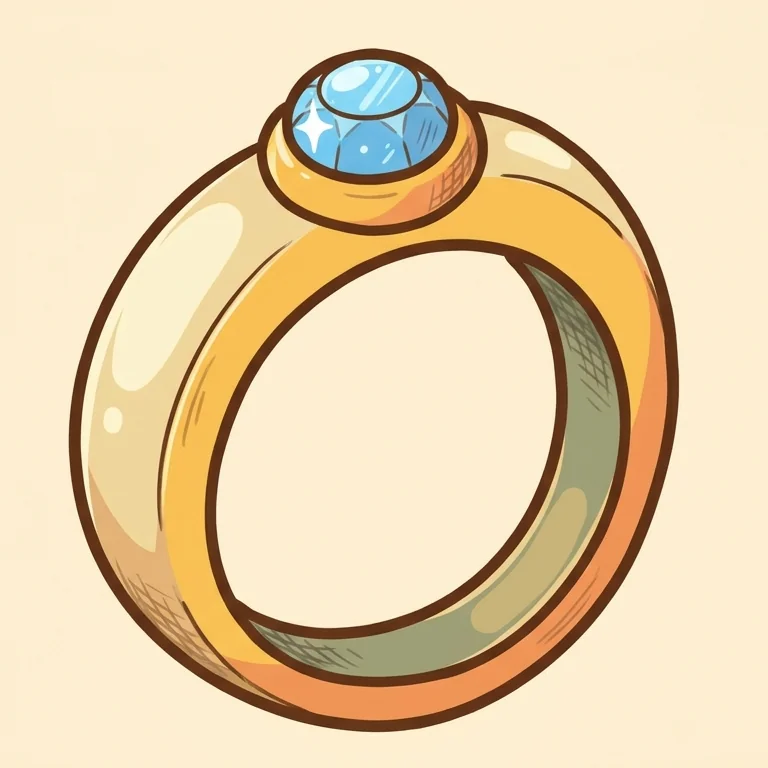
- ring wing
- roar wore
- raffle waffle
- rag wag
- rat what
- rest west
- rich which
- ride wide
- ripe wipe
- rise wise
- rock wok
- rope woke
In the middle of the word (3)
- treat tweet
- write white
- wrote woke
Why minimal pairs work
Minimal pairs work because they make a sound matter. When the only thing separating two words is a single sound, saying that sound the wrong way changes what the child actually said — key becomes tea, cap becomes tap. That built-in feedback turns an abstract “say it this way” into a concrete mix-up the child can hear and fix.
This is the heart of the phonological (contrast) approach: instead of drilling a sound in isolation, you give the child a reason to keep the two sounds apart. Many children start to self-correct once they notice the listener heard the wrong word — the meaning contrast does the teaching. It is an evidence-informed technique widely used by speech-language pathologists, and it works just as well at the kitchen table as in the therapy room.
How to use R/W minimal pairs in therapy
A simple progression for SLPs and parents. If your child is in therapy, always follow your SLP's plan first.
- 1 Listen first. Read a batch of the pairs aloud so the child hears the R–W contrast many times, with no pressure to say anything back yet. This "auditory bombardment" tunes the ear before the mouth.
- 2 Point to the right one. Lay out a few picture pairs, say one word, and have the child point to the matching picture. This checks that they can hear the difference before they have to produce it.
- 3 Copy you. Have the child repeat each word after you, starting with the picture pairs. Model slowly and let them watch your mouth.
- 4 Say it on their own. Have the child name the picture without a model. If both words come out the same, that mix-up is the teaching moment — show how the sound changes which word they said.
- 5 Carry it over. Move from single words into short phrases and everyday talk, and send a few pairs home so practice keeps going between sessions.
Featured picture pairs
The 8 pairs that have a picture for both words. Tap a card to hear the word, or tap “vs” to hear the pair back-to-back.
-
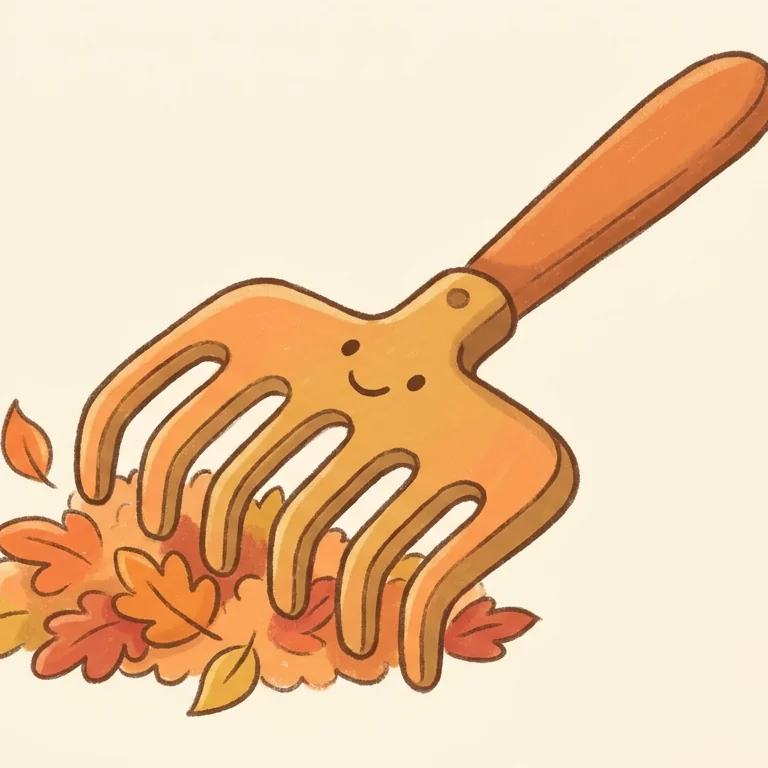 rake
rake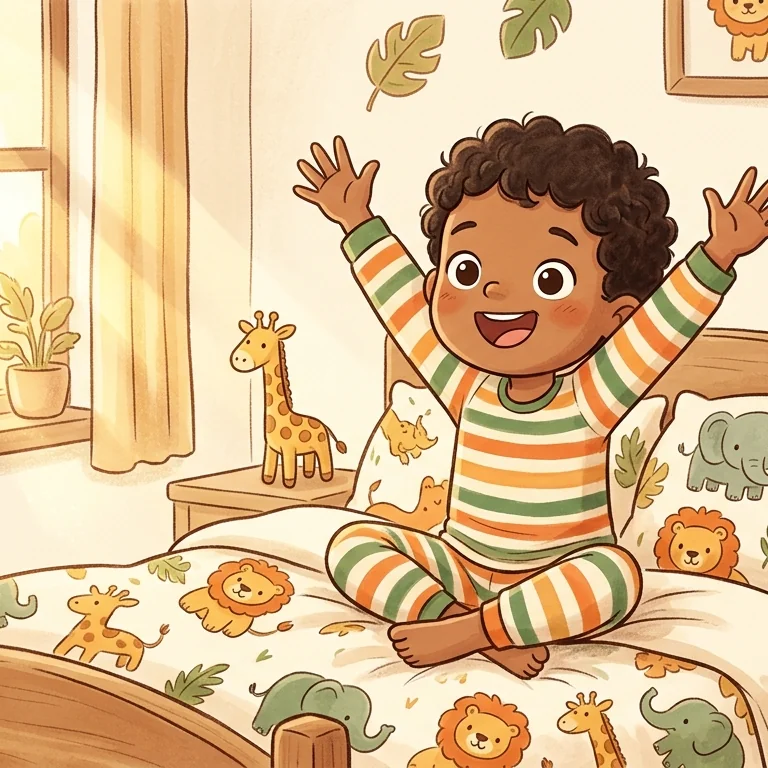 wake
wake -
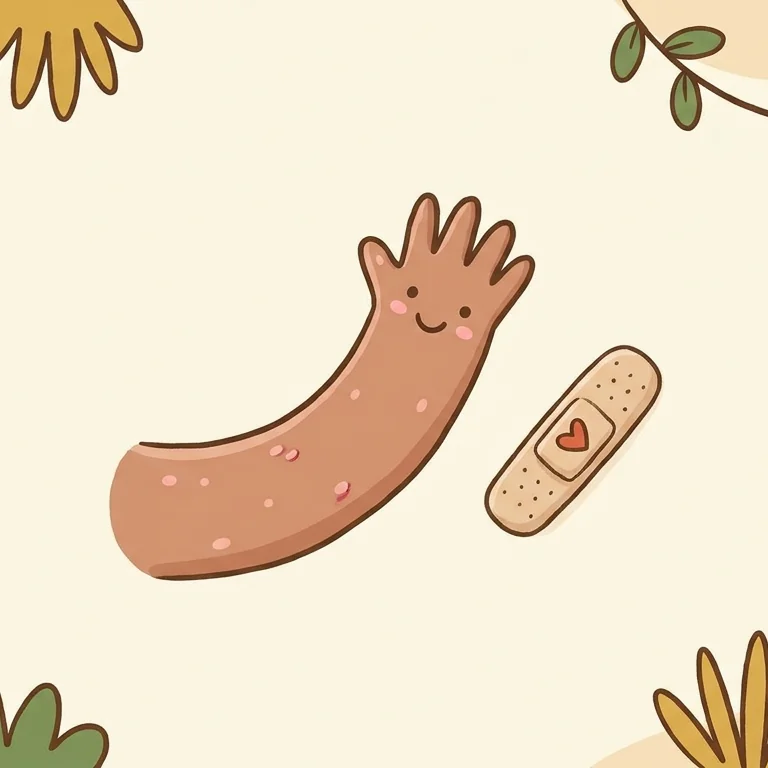 rash
rash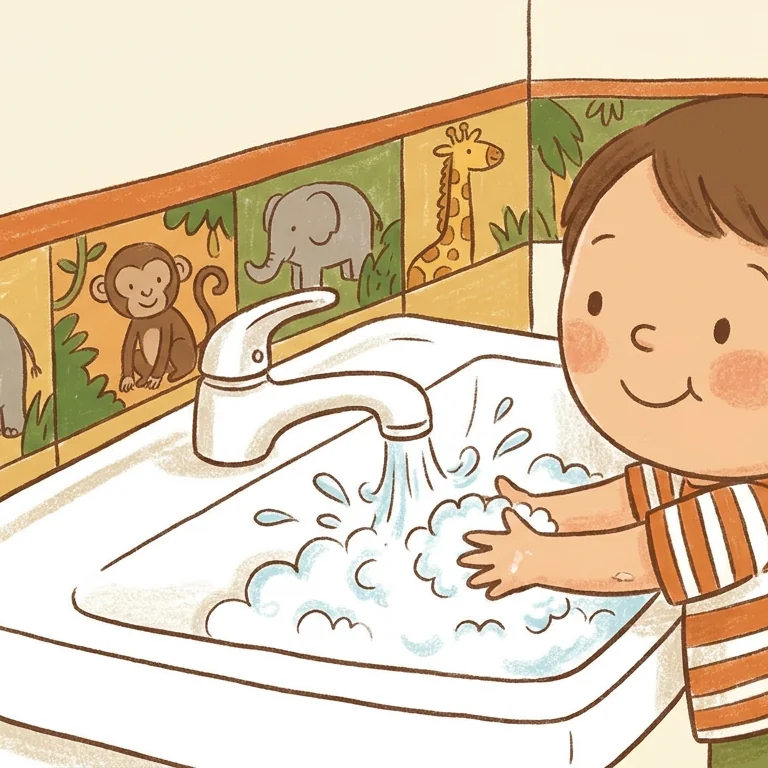 wash
wash -
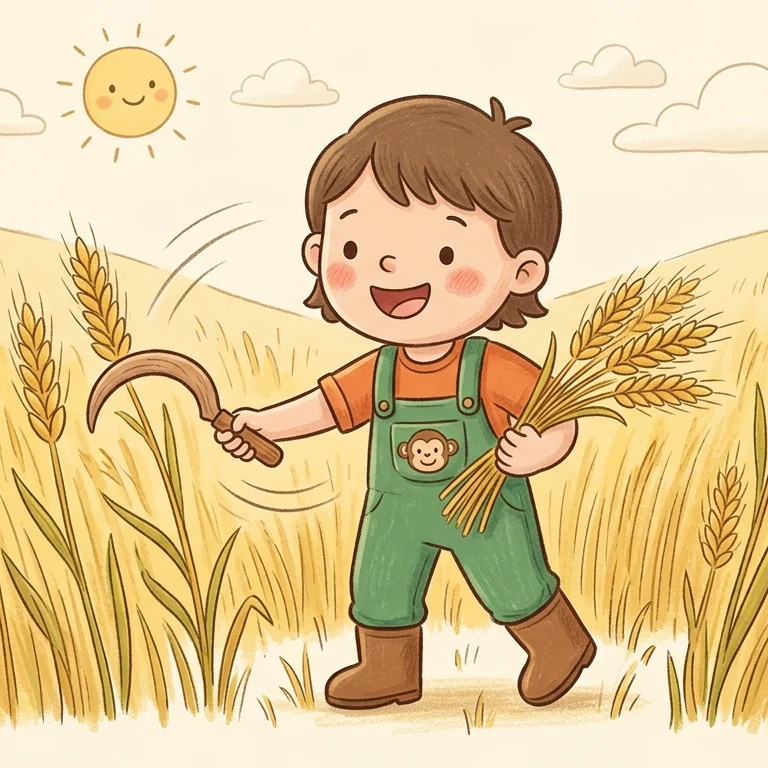 reap
reap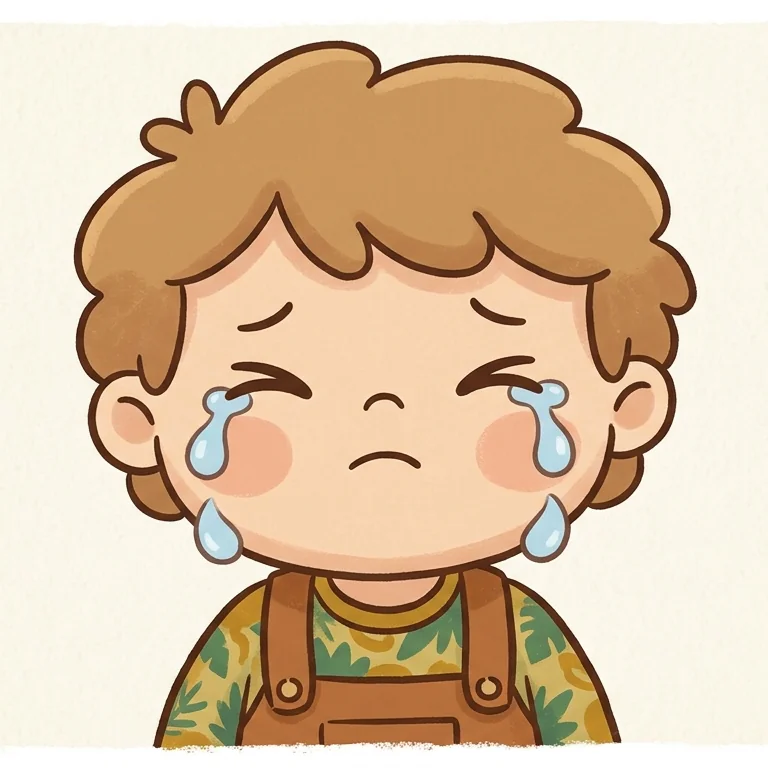 weep
weep -
 rich
rich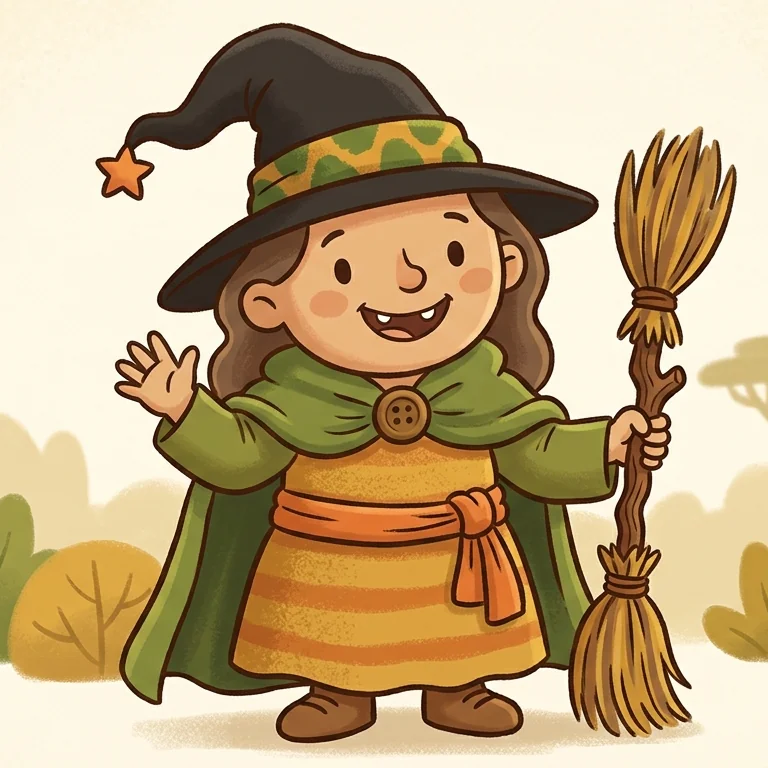 witch
witch -
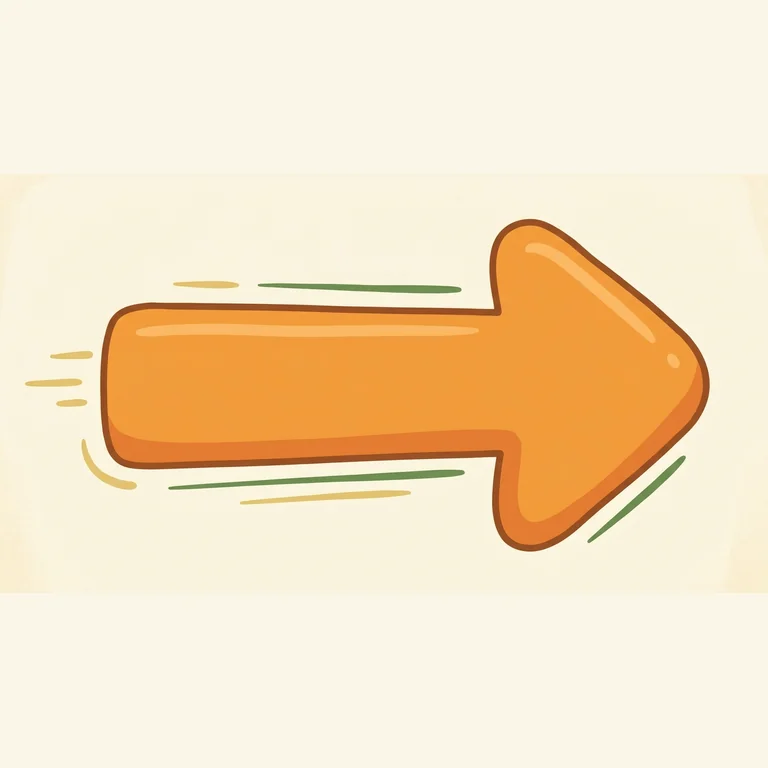 right
right white
white -
 ring
ring wing
wing -
 roar
roar wore
wore -
 treat
treat tweet
tweet
Practice these pairs in Sound Safari
Run R/W minimal-pair drills with built-in scoring and auto-generated progress notes.
R vs W minimal pairs — frequently asked questions
What are R vs W minimal pairs? +
R vs W minimal pairs are words that differ by only one sound — an /r/ in one and a /w/ in the other — such as ring/wing, rake/wake, and right/white. Because the /r/-for-/w/ swap is exactly the substitution most children make, each pair directly contrasts the error with the target.
What phonological process do R/W minimal pairs target? +
They target gliding — the process where the liquid /r/ is replaced by the glide /w/, so "ring" is heard as "wing" and "rabbit" as "wabbit." Practicing the two words side by side shows the child that the sound they choose changes the meaning.
How do you use R and W minimal pairs in speech therapy? +
Read the pairs aloud so the child hears the contrast, have them point to the word you say, then repeat each word, name the pictures on their own, and finally use the words in phrases and everyday talk. Watch the lips: /w/ rounds them, while /r/ works from the tongue — a mirror helps a child catch which one they just used.
At what age should a child stop saying "wabbit" for "rabbit"? +
The /r/ sound is one of the latest to develop, reaching 90% mastery around age 6 (McLeod & Crowe, 2018; Crowe & McLeod, 2020), and some gliding before then is developmentally typical. If /r/ still comes out as /w/ well past age 6, or a child is hard to understand or frustrated by it, an evaluation with a speech-language pathologist is a good idea. This page is informational and is not a diagnosis.
Keep exploring
The full guides for each sound — norms, common challenges, how to practice, and word lists by position.
Related contrasts
Looking for more contrasts? Browse the full minimal pairs word list library.